

Does This Popular And Spicy Plant Really Repel Snakes? Here's What The Evidence Says

There are two types of snakes you might want to see in your garden, as they're non-venomous and make great pest control. But if even these reptilian visitors make your skin crawl, you may be eager to vanquish them regardless of any benefit they might serve. Many homeowners are often eager to try an all-natural approach, and chili pepper (Capsicum annuum), a plant that's native to northern parts of South America and southwestern parts of North America, has sometimes been touted as an easy DIY snake deterrent. Does it really work, though, or is it proverbial snake oil?
At first blush, this method makes sense. Chili peppers are often considered a good pest repellent because they contain capsaicin — the chemical that gives them that spicy kick — which is irritating to many animals. Peppers are also frequently used in DIY pest control methods. Cayenne pepper, for example, is sometimes used to humanely banish rabbits from your garden. Purportedly, if you make a repellent that contains hot pepper and spray it around your yard, you can deter snakes from making their home there.
However, capsaicin's effect on snakes is rather dubious. One study found that capsaicin baits were ineffective at repelling lizards, which snakes are closely related to; researchers suggested this could be because, like birds, lizards don't have the capsaicin receptors that cause irritation in mammals. Both Mississippi State University Extension School and Colorado State University Extension School note that, while multiple commercial and DIY snake repellent remedies have been tested for their ability to repel snakes, none have proven to be effective.
How to keep snakes out of your yard
One study on heat-sensitive snakes did find that, when capsaicin was applied near a nerve, it caused damage to the part of the nerve that helps them detect heat, impacting their ability to navigate. However, most experts will tell you that chili pepper — or any plant — isn't the snake problem solution you may have been hoping for.
Sean Foley, the curator of herpetology at Riverbanks Zoo and Garden in Columbia, South Carolina, tells Southern Living: "There really aren't many plants that I would describe as snake repellers (if that's a word). Herbs and marigolds are commonly suggested for this purpose, but there isn't any science to support the claim." Foley does suggest incorporating spiky plants in your landscaping, such as hollies or cacti, as they are uncomfortable for snakes to slither in. Still, Foley says that even these plants probably wouldn't be much of a deterrent for a "motivated" snake.
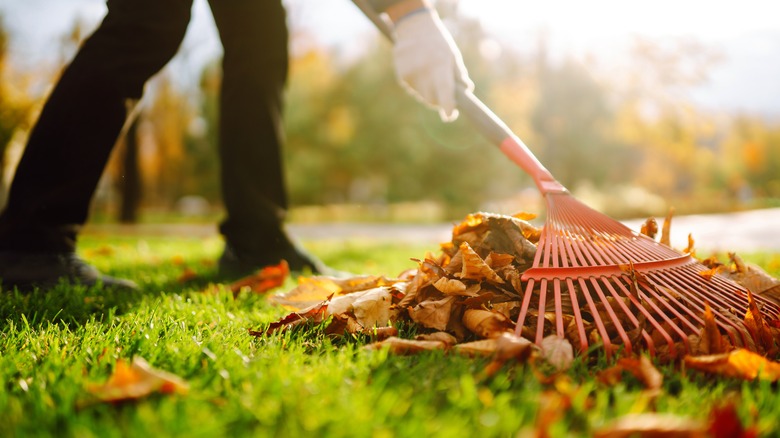
Instead, keep your yard clean and deal with other pest problems. Tall grass, wood piles, and brush are some of the most common places snakes hide in your yard, so by trimming grass regularly and keeping your yard tidy and clear of debris, you'll be offering snakes fewer spots to make themselves at home. And by dealing with rodents or any other pest problems in your yard, you'll be less likely to have snakes enter in search of food. Another method to try? Sharp lava rock. Like spiky plants, this makes for uncomfortable terrain; try placing lava rock that's 2 to 3 feet wide and 5 to 6 inches deep near your house and other structures to keep snakes away.