

10 Common Gardening Mistakes That Are Horrible For The Environment
Gardening feels like a wholesome, eco-friendly activity, but ironically, many everyday habits can unintentionally harm the environment. People often assume these practices help their gardens flourish, when in reality they can backfire — damaging soil, pollinators, and local ecosystems in the process. What makes it trickier is that most of these mistakes are incredibly common, passed down as conventional wisdom, so gardeners may not even realize they're causing harm.
Fortunately, once you recognize these mistakes, they're easy to either avoid or swap out for Earth-friendlier practices. Small changes in how you garden can go a long way in supporting pollinators, conserving resources, and strengthening soil health, all while keeping your garden lush and productive. The key is to understand why innocent habits like using peat moss or not making your garden more pollinator-friendly are mistakes in the first place, the impact they have on the environment, and the simple steps you can take to grow a healthier garden that also benefits the planet.
Using chemical fertilizers
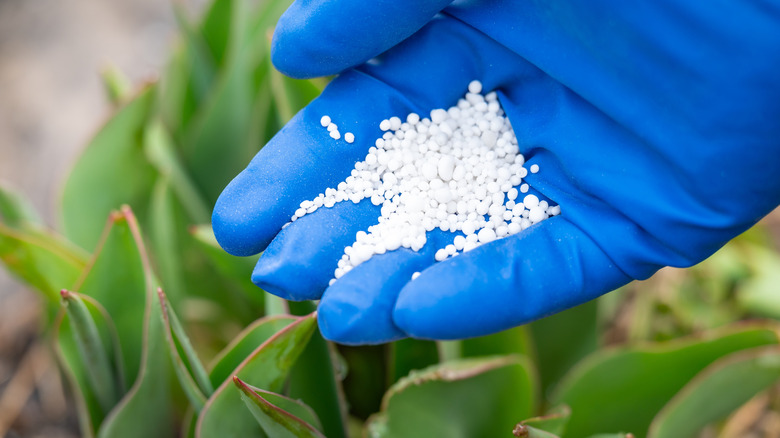
Few gardening practices have such far-reaching consequences for the environment as using synthetic or chemical fertilizers, yet it's not surprising that gardeners have come to depend on them. Plants need nitrogen to grow strong, but they can't absorb it directly from the atmosphere. Synthetic fertilizers offer a quick fix as most are made with ammonia, a form of nitrogen plants can absorb once it's converted in the soil. The result is faster-growing, stronger plants. Which begs the question: what's the problem?
For one, producing and using chemical fertilizers generate significant greenhouse gas emissions, making them an important, controllable contributor to global warming. The manufacturing process alone requires high heat, high pressure, and fossil fuels, which release carbon dioxide. Once applied, these fertilizers release nitrous oxide, a greenhouse gas considered to be 300 times more potent than carbon dioxide when it comes to trapping heat. While some heat-trapping gases do occur naturally in Earth's atmosphere, a century of research has demonstrated that excess buildup from manmade causes contribute to rising seas, stronger storms, and unstable ecosystems.
Closer to home, chemical fertilizers also wreak havoc on soil health, causing it to become acidic, compacted, and inhospitable to beneficial microbes. With microbial diversity in decline, the soil struggles to break down organic matter, cycle nutrients, and suppress plant diseases. In effect, fertilizers boost short-term growth while undermining your soil's immune system; leaving behind depleted land, polluted water, and supercharged greenhouse gases. While your backyard garden is hardly in the same league as global corporate farms when it comes to synthetic fertilizer use, the better choice is to build your soil naturally with compost, manure, or other organic amendments, which feed plants while strengthening the ecosystem instead of stripping it.
Relying on pesticides for every little bug
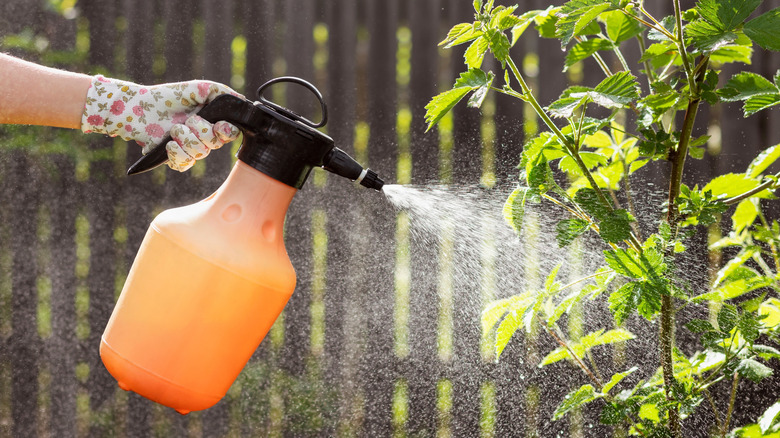
While pesticides can be useful as a last resort in extreme cases, relying on them for every little bug does more harm than good. Unfortunately, most gardeners use them way more than necessary, and pesticides don't distinguish between helpful insects and harmful pests. Over time, relying on pesticides wrecks soil biomes, builds up chemical residues, and leads to pesticide resistance, causing bugs to adapt and come back way stronger.
You might be surprised by the sheer devastation pesticides wreak on life beneath the soil. For instance, did you know there are anywhere from 10 million to 100 million organisms in a single handful of soil? In addition to other invertebrates, like ants and earthworms, the biodiversity of these microorganisms helps break down dead material and ultimately cycle vital nutrients that enable plants to flourish. They also help the soil retain a healthy structure, making it easier for it to absorb water during floods and hold onto it during droughts, and requiring less tilling and aerating on your part.
So how do you know when you should use pesticides and how to use them responsibly? For one, pesticides can act as emergency medicine in situations where entire crops are threatened by an invasive pest outbreak. They can also mitigate health hazards, like mosquitoes carrying the West Nile virus or ticks with Lyme disease. In these cases, using pesticides is often the lesser of two evils. But for most backyard gardeners, it's far better to incorporate integrated pest management (IPM): Using multiple strategies like companion planting and organic pest control, with pesticides reserved for necessary situations.
Not attracting pollinators
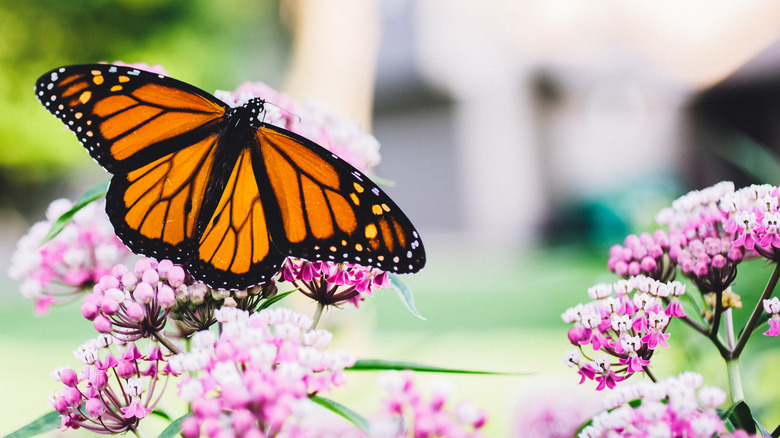
Not attracting pollinators is one of the biggest mistakes gardeners can make, and it's not just about protecting bees and butterflies by avoiding toxic pesticides. About 85% of flowering plants rely on pollinators, and two-thirds of crops actively benefit from them. Without pollinators, plants don't set fruit or seeds properly, which means lower yields, fewer fruits, and weaker plants in your garden. In that respect, ignoring pollinators is not unlike starving your own garden.
However, the problem extends far beyond your own yard. The fact is, pollinators hold entire ecosystems together, with many having co-evolved alongside plants for millions of years. When pollinators decline, ecosystems and food security are at risk. Which is why the USDA estimates crops that depend on pollinators are valued at more than $10 billion per year, or 3 trillion dollars globally. But it's not just our food: An estimated 25% of the diets of many birds and mammals is made up of seeds and fruits from pollinated plants.
On the other hand, bringing all the bees to your yard with a pollinator-friendly is relatively easy. You can start by planting native flowers and milkweed (the only plant monarch caterpillars will eat), and by choosing perennials that return each year to create long-term habitats. Staggering bloom times across spring, summer, and fall ensures pollinators always have food, while avoiding pesticide-treated plants helps protect them from hidden toxins. Finally, location matters too, so you'll want to choose sunny, sheltered spots that are ideal for pollinators to thrive in. At the end of the day, a pollinator garden doesn't just support the environment; it also benefits you by making your garden far more abundant.
Planting invasive species just because they look pretty
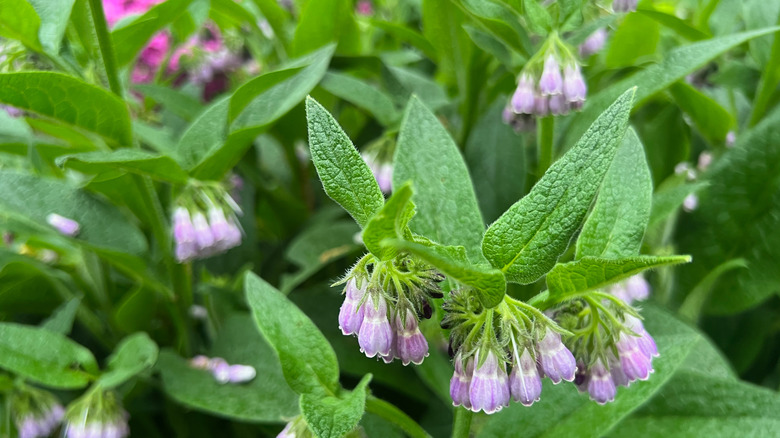
One mistake many gardeners make is planting invasive species, and it's not surprising: Part of the fun of gardening is choosing plants you love. But many gardeners don't even realize invasives are harmful; they just see pretty plants. However, planting them causes a variety of problems for your garden and the environment. Once they've taken root, they spread aggressively, outcompete native plants, and can be surprisingly hard to get rid of.
Over time, invasive plants push out other species until your garden and surrounding wild spaces are dominated by just that one plant. Not only does that disrupt biodiversity, making it harder for an ecosystem to fight off pests and diseases, but it also leads to fewer flowers and food for pollinators, less habitat for other wildlife, and unhealthy soil and water cycles. One of the most notorious examples is kudzu(Peuraria montana), a vine native to Asia introduced to the U.S. more than a century ago and approved as an anti-erosion measure into the 1950s. Today, it continues to swallow up entire landscapes throughout the southeast, costing billions in the process.
The good news is, you can still have a beautiful garden while avoiding invasive species. While not all non-native plants are invasive (nor are all invasive plants classified as invasive in every part of the country), sticking with native species is the safest way to keep your garden healthy. And you don't have to sacrifice looks: There are gorgeous indigenous alternatives for nearly every invasive, from various bluebells and bleeding hearts (Dicentra spp.) to purple poppy mallow (Callirhoe involucrata). If you're uncertain whether a plant you love is classified as invasive, check the USDA invasive species profile list.
Using peat moss
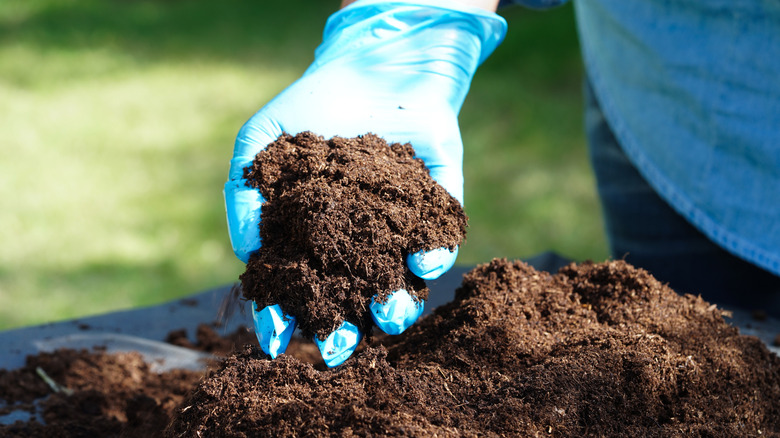
Peat moss is a popular tool gardeners use as a soil amendment and for water retention and drainage, but harvesting it is a hidden environmental disaster. The problem lies in where the peat is harvested: Bogs and fens that absorb carbon from the atmosphere. Bogs store this carbon for tens of thousands of years. When peat is harvested, that carbon is released. If that weren't bad enough, many companies drain bogs entirely, destroying the habitats for unique wildlife that's evolved to thrive in this type of ecosystem. Peat is also essentially a finite resource, as it's the result of thousands of years of anaerobic plant decomposition.
The bottom line is that harvesting peat moss just isn't sustainable. It takes centuries to regenerate, so harvesting isn't renewable. Yet just as importantly, peat moss is far from the amazing gardening amendment it's often made out to be. Sure, it helps retain water, but it's not very nutrient-rich, meaning it does little else to support soil microbes. In the end, the limited gardening benefits of peat moss simply don't justify the staggering environmental damage caused by harvesting it, which is exactly why many regions are in the process of outright banning its sale as a gardening product, like the UK.
There are plenty of alternatives to peat moss, including compost, coconut coir, leaf mold, rice hulls, wood fiber, and recycled-paper mixes. Not only do these options provide similar drainage support, but they also enrich soil, support microbes, and reduce your environmental impact. Choosing any of these alternatives will help your garden thrive and protect critical ecosystems.
Overwatering your garden
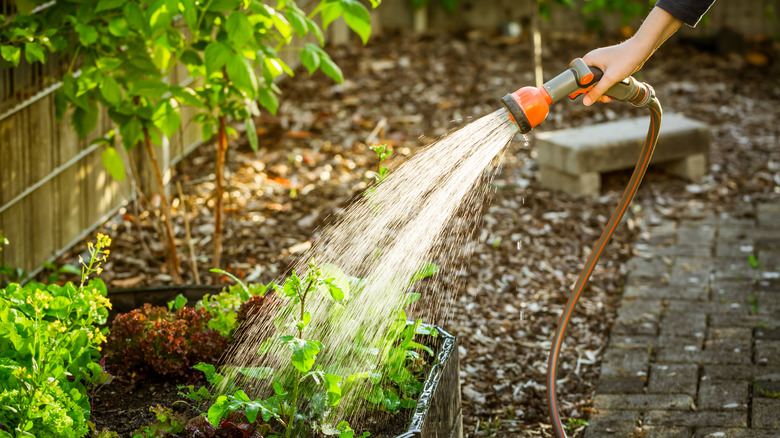
You might not think that watering your garden could be a problem, but overwatering is a mistake many people make. The temptation is understandable: People assume that to get lush, healthy plants, they just need to add more water. In reality, too much water wastes resources, stresses plants, weakens roots, and harms soil.
Overwatering also causes runoff — excess water that floods the soil and leaches chemicals, carrying fertilizers and pollutants into nearby streams and lakes. Nutrients like nitrogen and phosphorus fuel algal blooms and even create aquatic dead zones. Too much water also compacts the soil, leading to shallow roots and poor microbial health. That weakens plants, making them more vulnerable to pests and diseases.
So how do you know when to water without going overboard? The key is matching water to what your garden actually needs. Lawns and plants give clear signs, like wilting leaves, changing colors, or footprints that linger. Let those cues guide you instead of relying on a rigid schedule. Grouping plants with similar needs, known as hydrozoning, prevents drought-tolerant species from being drowned while thirstier ones thrive. Switching from broad sprinklers to drip or microirrigation delivers water straight to the roots, cutting waste and keeping moisture where it belongs. Add mulch or organic matter to lock that water in, and suddenly your garden is stronger, healthier, and far less demanding on the planet's resources.
Tilling too much
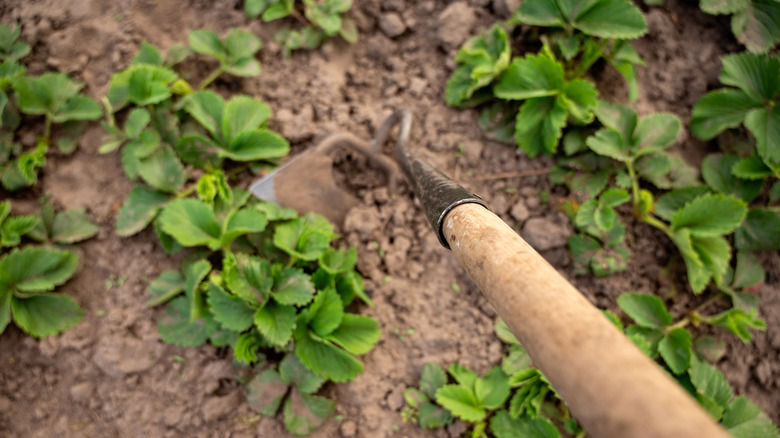
Similar to overwatering, overtilling is another common mistake rooted in the desire to help your garden flourish. It's a centuries-old practice that feels productive, and when done correctly, it can solve immediate problems. The good reasons for tilling include loosening compact soil, burying weeds and crop residue, and mixing amendments like compost or fertilizer. The issue lies in the fact that tilling only solves short-term problems, but in general, it's busy work that leads to long-term damage in your garden.
Ironically, overtilling causes bigger problems than it solves. It breaks down soil structure, which leads to erosion, surface crusting, and even hardpan layers that roots can't penetrate. Because of this, water also struggles to soak in, so instead of nourishing your plants, it runs off, carrying fertilizers and pollutants into nearby waterways. At the same time, overtilling wipes out beneficial organisms and ultimately stalls microbial activity, leaving soil weaker and less fertile. Over the years, this damage adds up, and topsoil begins to disappear faster than nature can replace it.
The important thing to remember is that soil is a living system. If you want that system to thrive, your goal should be to protect it rather than tearing it up. The solution is simple: Either reduce tilling or design a no-till garden. Instead of tilling, incorporate sheet mulch to suppress weeds and help your plants retain moisture. This will enrich your soil naturally so you end up building healthier soil that's more fertile, water-efficient, and resilient long-term.
Ignoring composting
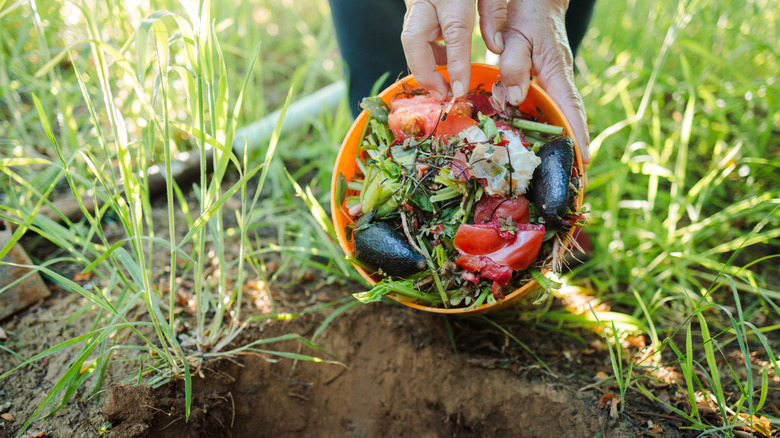
If you garden and aren't composting, you're missing out on a goldmine of nutrition for your plants, not to mention an easy way to help cut down on pollution. The good news is that most households already generate plenty of compostable material, sometimes without realizing it. When that material ends up in a landfill, however, it decomposes without oxygen, trading in a resource for a pollutant.
Unfortunately, the scale of the problem is bigger than most people realize. Landfills are the third-largest source of methane emissions in the U.S., with food waste being the single biggest contributor. Methane is a greenhouse gas 28 times more potent than carbon dioxide, which means every banana peel or pile of grass clippings tossed in the trash becomes part of the climate problem. In short, skipping composting is a double loss: Valuable soil nutrients are wasted, and harmful gases escape into the atmosphere.
The solution, thankfully, is straightforward. Compost enriches soil with organic matter, boosts microbial life, improves structure, conserves water, and reduces the need for chemical fertilizers. Even better, composting is flexible enough to fit any lifestyle, even if you're short on space or time. You can start small with a countertop bin, build a backyard pile, or join community and municipal composting programs. Whatever the method, composting transforms waste into a resource — one that strengthens both your garden and the planet.
Leaving soil uncovered
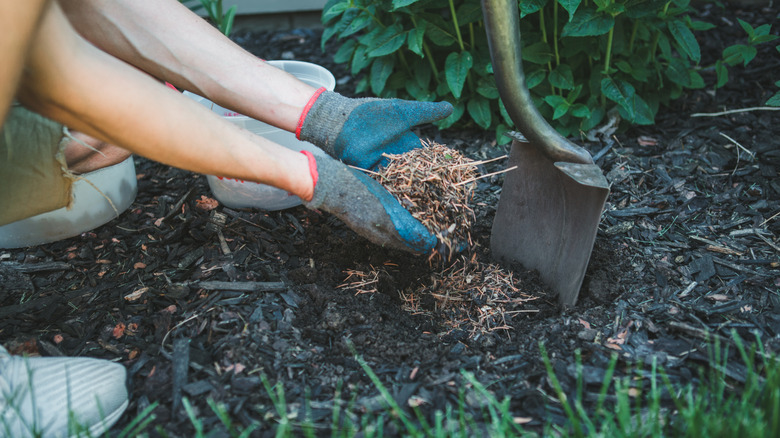
Leaving your soil uncovered between plantings is a common habit formed by many gardeners. Just because your garden looks tidy when it's fallow doesn't mean it's always healthy. In fact, soil is highly vulnerable to erosion when exposed to wind and rain. What you want to avoid is losing your topsoil. It's the layer where nutrients and microbes live, and once it's lost, it can take centuries to naturally rebuild.
When erosion removes your nutrient-rich topsoil, you end up with weaker plants, stunted growth, and more watering needs than you should have to. Moreover, exposed soil dries out faster, stressing roots and making it easier for pests and disease to set in. As you try to compensate for that lack of vital moisture, sediment from runoff pollutes waterways, affecting ecosystems far beyond your garden. Over time, the land itself becomes less fertile, locking you into a cycle of declining soil health.
This is why keeping your soil covered is key. Mulch or ground covers protect the organisms that produce healthy plants, conserve moisture, and shield against erosion. One of the best options for mulch is already in your yard: Transforming your fallen leaves into garden fuel. Shredded into mulch, leaves suppress weeds, feed the soil as they decompose, and return valuable carbon and nutrients to your garden. So instead of bagging them up and sending them away, consider spreading them directly on beds, shredding them, or letting them compost in place. By covering your soil, you build healthier, more resilient gardens that reward you year after year.
Never rotating your crops or flowers
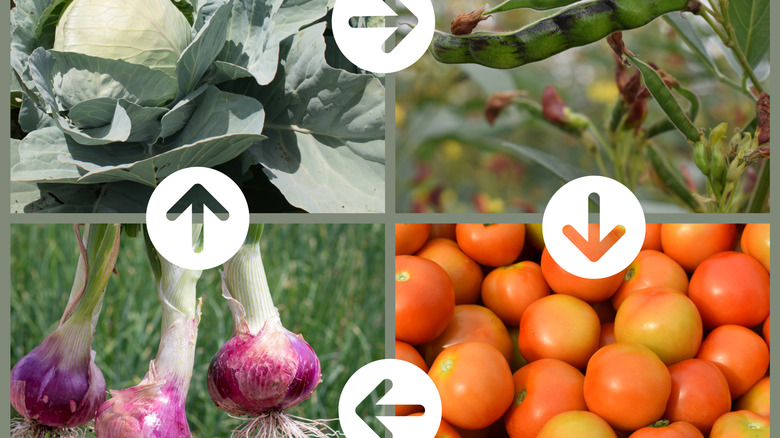
Never rotating your crops or flowers can be a huge mistake. But many home gardeners might not even know why it leads to bigger problems down the road. The trouble is that planting the same crops or flowers in the same bed every year creates the perfect conditions for pests and diseases to settle in. When those organisms find a steady food source waiting for them year after year, they only grow stronger, leaving your plants more vulnerable with each season.
But pests aren't the only issue: Rotation is also about protecting soil health. Different plants draw on different nutrients, and when you keep replanting members of the same family, they deplete the soil unevenly. Over time, this imbalance weakens soil fertility and makes it more hospitable to problems like nematodes, root rot, or powdery mildew. Rotating plant families helps prevent this one-sided nutrient drain and ensures the soil can naturally replenish itself. In that sense, crop rotation is like hitting the reset button for your garden, helping maintain both plant vigor and soil resilience.
It's worth noting not everyone is on board with employing a technique commonly reserved for large-scale farming. Since crop rotation is generally used to alleviate the negative effects of monoculture farming, and home flower and garden vegetables usually host a mix of plants, some home farmers feel rotation is an extra, unnecessary burden.
Fortunately, adding rotation into your gardening routine is straightforward. A good rule of thumb is to rotate plant families so that each one returns to its original spot only once every three to four years. This method keeps pests guessing and prevents soil fatigue. Whether you're growing food or flowers, rotation is one of the simplest ways to set your garden up for long-term success.