

The Controversial Plant Hack That's Dividing Gardeners
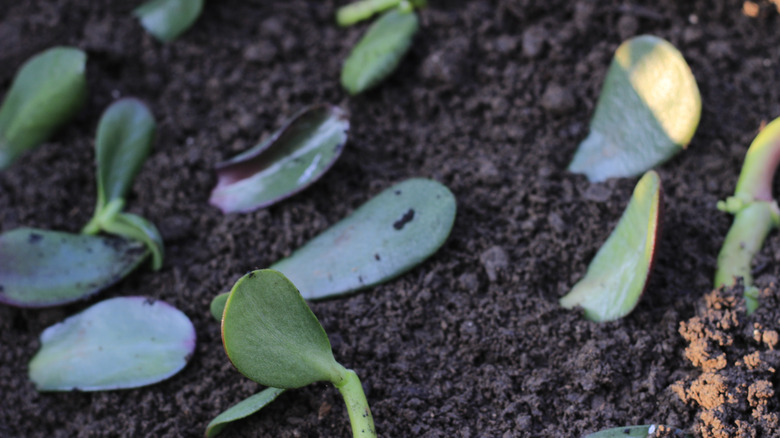
Propagating plants is a great way to expand your garden, and there are plenty of clever propagation techniques you can use to do this. One hack that's been causing a stir is proplifting. The name comes from the words "shoplifting" and "propagation" — it consists of taking fallen plant leaves or stems from the floors of garden centers or nurseries and planting them at home. Succulents, such as the low-maintenance burro's tail, are the most popular target, but houseplants like pothos can also sometimes be proplifted.
Larger stores, such as Walmart and Home Depot, typically throw fallen leaves away at the end of the day, and proplifters view this hack as a sustainable way to turn trash into healthy plants. Others would disagree, arguing that it's theft. Even if the plant material is going to be thrown away, it still belongs to the store. Many nurseries propagate their own plants as well, so taking plant material from them could place extra strain on them.
Detractors also point to people taking the trend too far. While the proplifting subreddit recommends people only take fallen material and always ask an employee first, not everyone follows these rules. Some gardeners take cuttings from plants, damaging the plant so that it can't be sold or must be discounted. The long term impacts can include stores limiting the number of plants they sell or increasing their prices overall, neither of which is good for the gardening community.
Is proplifting legal?
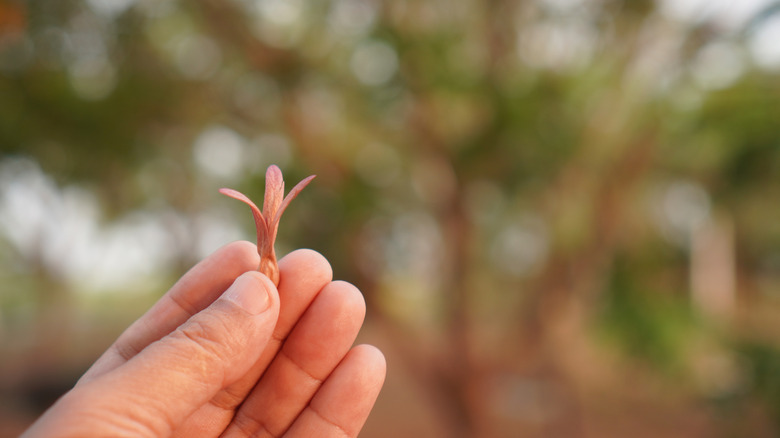
Unfortunately, there isn't a simple yes or no answer to this question: It depends on where you live and how you go about it. Exact laws can vary by state, and different stores may have different policies. In general, if you ask for permission from an employee and are told it's okay, then you're in the clear. If the answer is no, then you should respect that answer. Taking leaves after you've been told not to may get you banned from the store, and if the police get involved, you could face a fine or charges, depending on what you took. Plants that are more valuable, rare, or under a propagation patent carry heftier consequences.
However, taking a cutting from a plant without permission is always illegal. Removing stems, leaves, or flowers also counts as deliberately damaging a plant, so you could face vandalism charges in addition to theft. The fines can stack up quickly, particularly if you're taking multiple cuttings or if you target rare plants. Additionally, if you've already been banned from the store, went into off limits areas, or snuck into the store after hours, then you're also likely to be charged with trespassing.
Where can you take plants from?
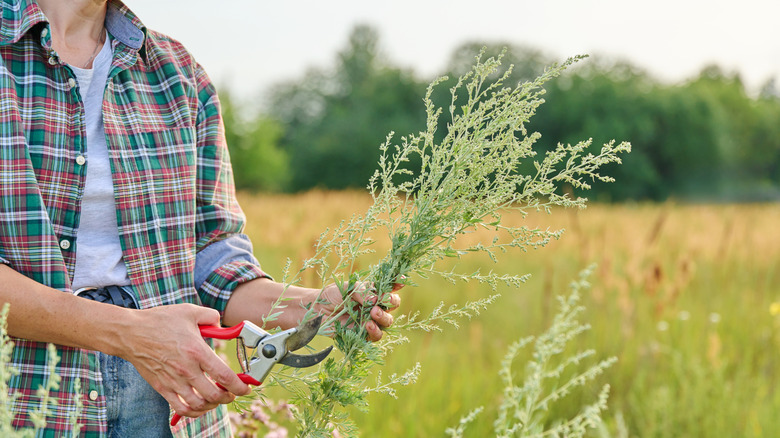
If proplifting isn't for you, then where should you look for free plants instead? You could always collect plants and cuttings from your own land, and you can forage elsewhere as long as you have permission. It's important to avoid disrupting the local ecosystem as far as possible, though, and you should only take small cuttings away with you.
One great resource is land that's about to be developed. Just remember to ask the landowner first, and don't forage once construction has started. Since the plants are going to be destroyed, you don't need to worry about upsetting the balance of the environment, meaning you can safely take larger cuttings. Land owned by the government is also an option, although you'll need to do some research first. If the area is managed by the Bureau of Land Management, you can harvest small amounts of foliage, including seeds and berries, as long as the plants aren't endangered and you don't plan on selling them. You'll need a permit to forage on land managed by the USDA Forest Service, but they're simple to obtain and relatively inexpensive. However, these permits do not allow you to sell the plants you collect, and you can't take any that are rare or endangered. You may also be limited to harvesting in certain areas or times of year. Laws in U.S. national parks can vary, but it's generally illegal to collect plants from them.