

The Truth About This Nutty Hack For Keeping Spiders Out Of Your Garden
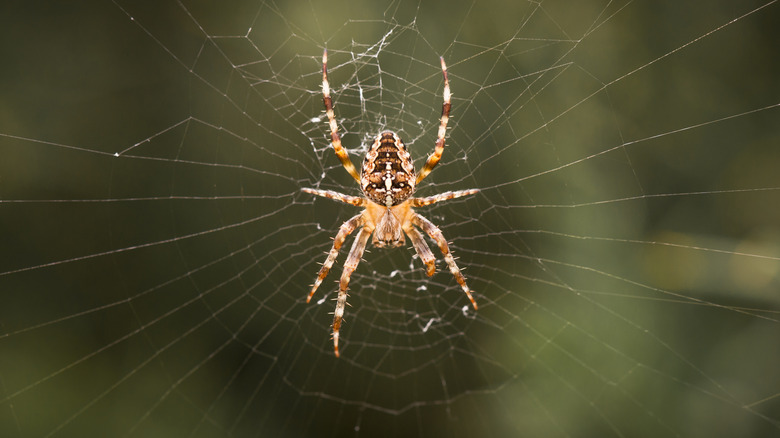
Spiders serve an important role in our ecosystem. They can help your garden thrive, so avoid killing them if they're outdoors. That said, most people don't want them congregating in areas they spend a lot of time in. This is especially true if you have any venomous spiders in your backyard. There are plenty of hacks people try to keep creepy crawlies from setting up webs near their homes, and one of the more common ideas is that chestnuts or horse chestnuts will repel them. However, the science behind it is flimsy at best.
While one 2018 study found in the Journal of Economic Entomology did find that three species of spider were somewhat repelled by chestnut oil, there's no proof that other species would have the same reaction. Cross orbweaver, brown widow, and false widow spiders, the three types tested, can be found across North America, but they're far from the only spiders that live there. Likewise, there haven't been any studies testing other types of nuts, including horse chestnuts, or evaluating what concentrations of chestnut oil are needed to be effective. In short, while spreading chestnut oil around your garden shouldn't cause you any trouble, it probably won't prevent it either.
How can you actually keep spiders away?
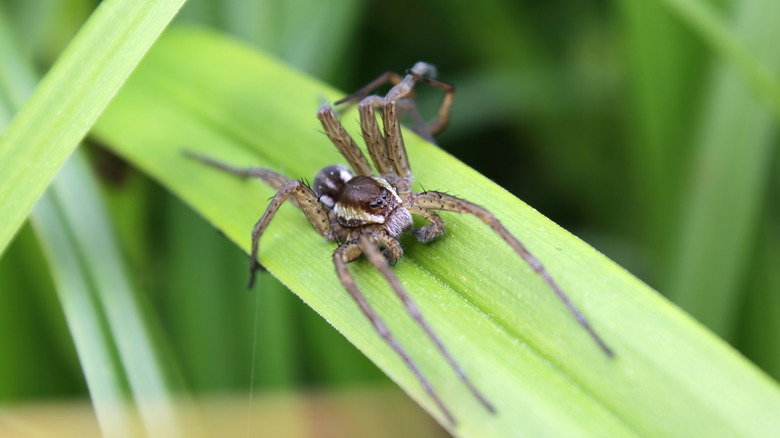
You can't completely eradicate spiders from your yard, but there are some steps you can take to reduce the population and discourage them from living in your garden long-term. Keeping your garden neat will remove shelter options for them. Tall grass, overgrown weeds, and out-of-control shrubs are all perfect nesting sites for spiders. Limiting the available food will also prevent them from sticking around. In addition to regular pest control methods, you can reduce the amount of outdoor lighting you use. Lights attract moths and other insects that spiders love to eat.
The reverse is also true. If your garden is home to more creatures that eat spiders, they'll hide or leave to avoid the predators. You can attract a diverse variety of birds by planting native flowers, but they aren't the only critters that view arachnids as snacks. Lizards and toads will both eat many types of pests. Wasps can be a nuisance to have near your home, but some species do eat spiders.
If you're worried about the spiders coming into your home from outside, you can relax. The idea that spiders migrate indoors during cold weather is a myth. Most house spiders live indoors year-round, but they become more active during late summer and early fall because it's breeding season. To keep spiders out of your house, carefully inspect any furniture you bring in from outside for eggs, and clean your house to get rid of hiding spots and food sources.