

Why Your Mosquito Repelling Plants Are Not Working And What You Can Do
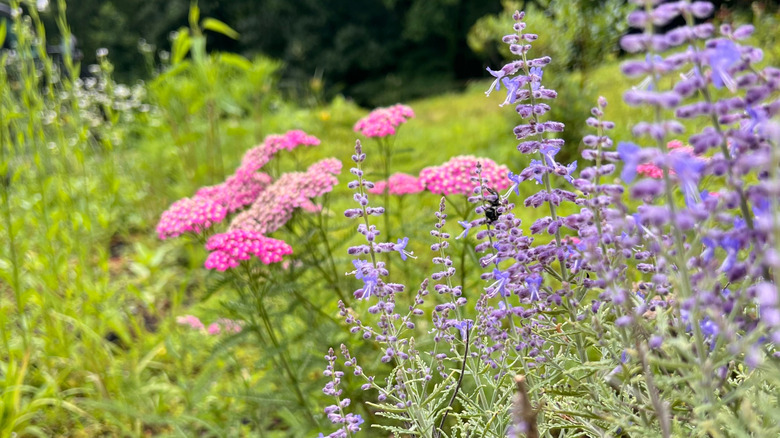
Mosquitos are annoying and potentially dangerous, as they can spread certain diseases. When you're camping, you can pack a strong-smelling insect repellent, but that might seem extreme if you just want to enjoy your backyard. Many gardeners choose to fill their gardens with mosquito-repelling plants instead. If you've planted herbs like lavender or wildflowers like yarrow to repel insects but are still getting bitten, there's a simple explanation.
It isn't the scent of the flowers or leaves that repels mosquitos, but rather chemical compounds in the oil inside them. These compounds make the plants unappealing for bugs to bite, but they won't help you unless they're on your skin. Getting a high enough concentration of the oil can also be challenging, and the variability means that the protection may not be as strong or long-lasting as you need it to be. Basically, those flowers on their own aren't going to keep mosquitoes at bay.
However, those mosquito-repelling plants may still be benefiting your yard in other ways! Some of the herbs and flowers most commonly grown to keep pests away are attractive to pollinators that will happily make a meal out of your pest problem. For example, yarrow attracts dragonflies, which eat mosquitos. To get the most out of your mosquito-repelling garden, make sure to use plants that attract these beneficial critters.
Effective ways to repel mosquitoes from your garden
While predators won't keep pests out of your garden entirely, they can help keep a swarm from getting out of control. Dragonflies are one option, but certain bird species also eat mosquitos, such as purple martins, swallows, and ducks. You should be careful before setting out a bird bath, though, as mosquitos lay eggs in stagnant water, so change the water and clean the bath itself regularly. If you have a pond or other water feature, try building a DIY frog hotel to encourage frogs and toads to live nearby, as they will eat both adult mosquitoes and their larvae.
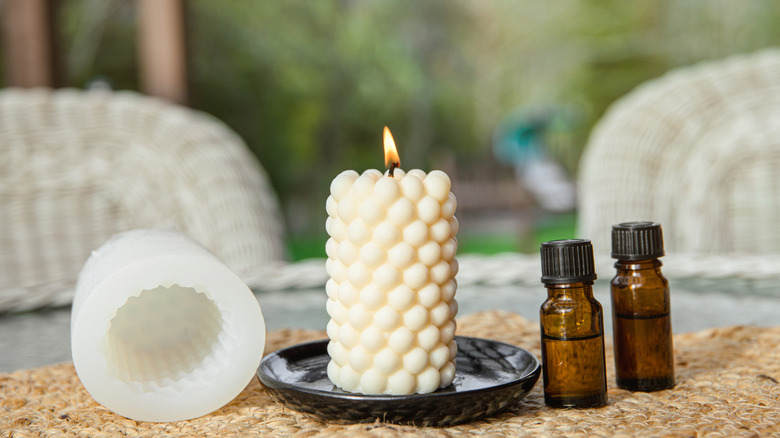
Keep in mind that no method is 100% effective. Mosquitos are part of nature, and you might have to deal with them anytime you step outside. However, there are steps you can take to make yourself and your yard less appealing to them. You can use a chemical spray or rely on the more soothing scent of lemon and eucalyptus to fend them off, either as a spray or as part of a candle.
While citronella candles and torches may not be as effective as once thought, smoke in general can offer temporary protection. The smoke and heat from a campfire are also unpleasant for bugs, although they'll return as soon as the fire is gone, and building a fire anytime you want to use your backyard is hardly sustainable. Ultimately, the best approach is to combine natural deterrents, predator-friendly planting, and practical precautions so you can enjoy your outdoor space with fewer mosquito interruptions.