

Take Your Fall Garden To The Next Level With A Pollinator-Friendly Flower
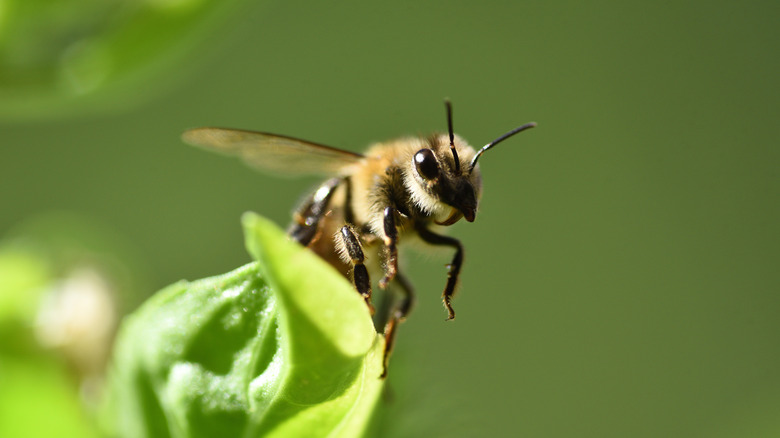
When you think of pollinators, you may think of warm spring mornings and colorful blooms. While it is true that spring and summer are the peak seasons for the pollinators in your yard, that isn't to say that their activities don't trickle into fall. In fact, as hummingbirds and butterflies begin their migrations and other pollinators prepare for winter, you may see a surge of life as the weather begins to cool. So if you want to add a splash of color to your garden this fall while providing pollinators with the nutrients they need in the latter months of the year, you may want to consider this vibrant flower that blooms during late summer and early fall.
Goldenrods (Solidago spp.) are an essential plant for over 100 pollinator species, including bees, butterflies, and moths. For these animals, goldenrods supply nutrients through their nectar and seeds. For example, before monarch butterflies begin their migration in the fall, they depend on goldenrod for their nectar. While these flowers are the perfect pollinator-friendly choice for your fall garden, their benefits extend even beyond autumn, with their seeds fueling songbirds in the winter.
In all, if you're looking to create a pollinator haven that your wildlife neighbors can enjoy year-round, goldenrod can be a smart choice. However, before adding this eye-catching flower to your yard, it's important to ensure you have the right conditions to support its growth.
How to grow goldenrod in your garden this fall
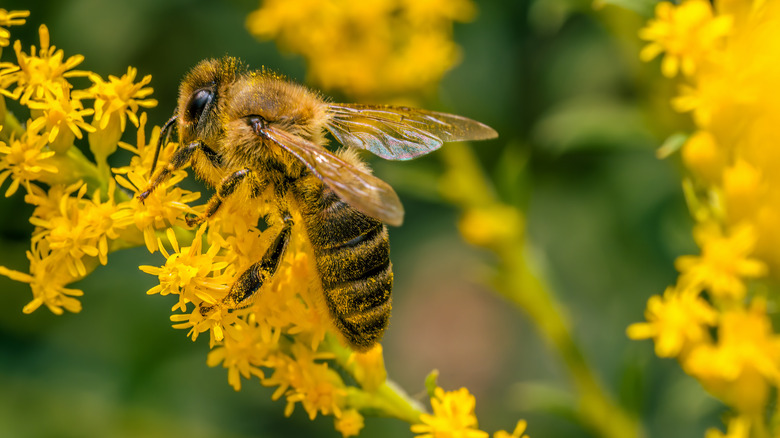
The first thing to know about goldenrod is that there are several different species available. While similar, these may have differing needs based on their preferred environments. For instance, most goldenrod species thrive in the open sun of a prairie meadow, but some, such as wrinkle-leaf goldenrod (Solidago rugosa), prefer damp environments with ample moisture and shade. Choosing the right species for your ecosystem is the first step to successfully creating a pollinator-friendly garden that includes this plant. Overall, goldenrod thrives in USDA hardiness zones 2 through 8, and it is native to North America.
If you live in an area where goldenrod can grow, then you can start it from seed or choose to start with a mature plant. Goldenrod can be started outdoors either in the fall or spring, or you can start your seeds indoors. If you choose the latter, you will need to transplant them outside for pollinators to enjoy, a process that can be made easier with DIY biodegradable seed starter pots that can be planted directly in the ground.
The type of soil your goldenrods need depends on their species, but most soil with drainage can support their growth. As for light exposure, many goldenrod species do well in full sun, although a few species need partial shade instead. Aside from giving them the right growing conditions, goldenrods, like many other wildflowers, are generally low-maintenance and easy to care for, making them a great fuss-free plant for beginners.