

A Simple Method For Protecting Your Favorite Plants From Wind
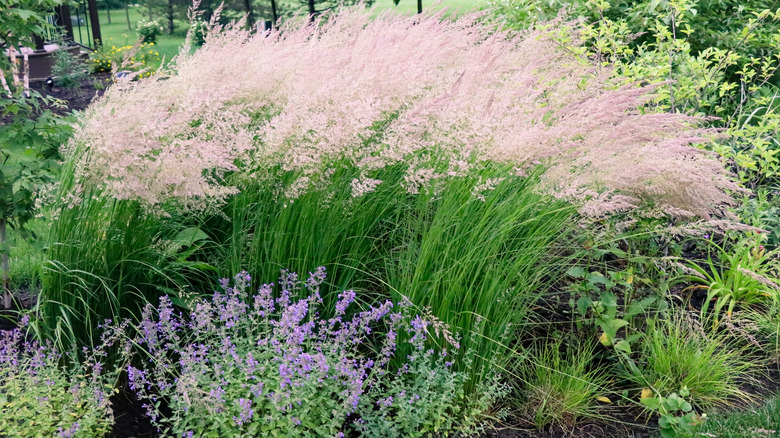
Without proper shelter from the wind, your plants can suffer broken stems, torn leaves, and even uprooting. You may also notice browning leaves due to moisture being pulled from the leaves faster than it can be transferred from the roots. Damaged plants require more time and maintenance, and might even have to be thrown away. The best way to protect your plants from the wind is to create a windbreak that will shield them from strong winds and allow them to grow strong and healthy.
If you want to make a natural windbreak to protect your plants, there are several different methods that will work. A popular option is creating a dense hedge of shrubs, as they will protect plants that are lower to the ground. The shrubs should be planted 1 to 2 feet away from each other for maximum effectiveness. Some of the best shrubs to use as a windbreak include dogwoods, lilac, and cranberry bushes. To integrate your shrub border, find plants that are compatible next to shrubs. For instance, the optimal spot in your garden to grow hydrangeas is right against shrubs. Another popular option for more height coverage is planting dense trees such as pines, Douglas firs, and cedars 2 to 4 yards apart.
You can also use man-made methods to protect your plants from wind, like a fence. Before installing a fence around your garden, consider what type you want. You can choose a full coverage fence that will not allow wind through, or you can use a permeable fence, which allows airflow but blocks gusts. Garden screens and trellises can also serve a similar purpose. To determine where to place these barriers, assess your yard and determine which direction the wind typically blows from.
Supplemental methods to protect your plants from wind

Constructing wind breaks is the most effective method of sheltering your plants, but there are other methods to protect your plants in case of wind. One is to tie your plants down to stakes and wire frames that will keep your plants upright. To protect your plants from being torn, ensure you don't tie your plants to the stakes and frames too tightly, as without room for slight movement, your plants will tear at the location of your knot or zip tie.
When subjected to frequent wind, your plants' leaves will lose moisture, causing leaf browning. The soil itself will also lose moisture more rapidly and slow down the intake from roots, worsening the problem. The best solution to prevent plants from browning in the wind is to mulch the soil to retain as much water as possible, counteracting the loss of moisture from the leaves above it.
You can also build containers for your plants, which keeps the ground underneath sturdy. As a bonus, small containers can be moved to more sheltered locations to protect them from storms – something that wouldn't be possible if the plants were rooted in the ground. You can even turn your plastic kiddie pool into a simple container garden to give this method a try.