

How Joanna Gaines Uses Pea Gravel To Elevate Her Garden Design
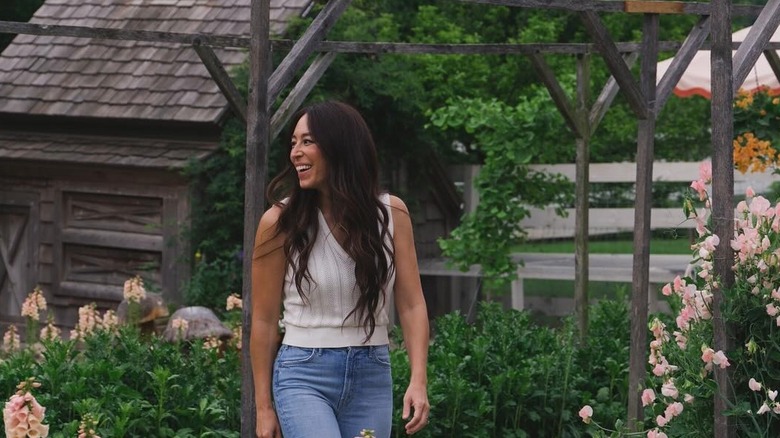
Joanna Gaines, celebrated for her signature farmhouse style, is also a gifted garden designer. She has long embraced pea gravel as a design element, using it to bring charm and function to her own gardens as well as for the outdoor oases she creates for clients. She expertly uses this type of gravel in her landscaping plans to set off tidy raised beds of vibrant flowers and lush greenery, while also creating a clean path to tie everything together. Gaines demonstrates that a simple stone pathway can instantly add visual appeal and texture to an outdoor space. Her approach creates an easy, relaxed, down-home feel while also offering durability and a simple, low-fuss lifestyle.
Pea gravel is an especially versatile option for home gardeners. While Gaines leans toward pea gravel that's mostly white in appearance, it's available in a wide range of colors. From warm tans to deep, earthy tones, you can utilize it to augment the style and colors of your own home and garden. Additionally, its smooth, rounded texture makes it comfortable underfoot, whether you're walking barefoot through the garden or are pushing a wheelbarrow between planting beds. Best of all, these stones are ideal for creating a budget-friendly DIY path. It can be much less expensive and easier to install than other options like pavers, making it suitable for a do-it-yourself project that will bring beauty and function to your yard.
How to use pea gravel in your garden
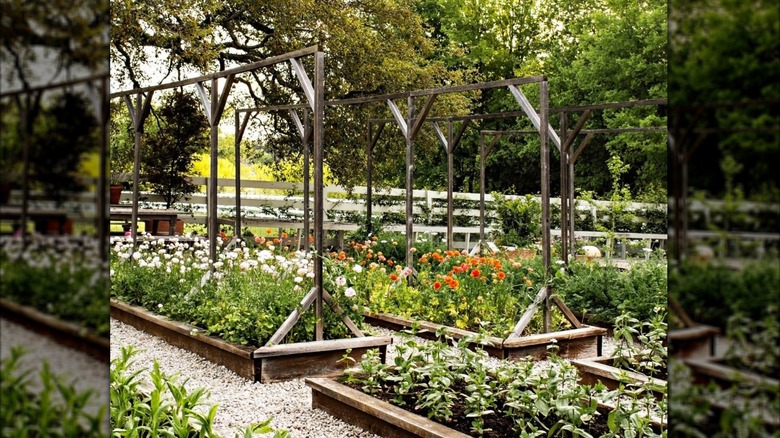
To give your outdoor space the same timeless charm seen in the Magnolia Network founder's designs, take inspiration from the classic French potager — a kitchen garden defined by orderly pathways and raised beds arranged in a pleasing, geometric pattern. Before you begin building, measure the spot for your garden plot carefully, determining the size and dimensions of both your planting beds and the walkways that will connect them. This step can lend balance, symmetry, and practicality to your creation's overall appearance. By choosing pea gravel, a river rock that has been smoothed and rounded by flowing water, you'll add a serene and natural appearance to your garden — and a pleasing crunch underfoot. Importantly, the gravel also provides weed- and mud-free pathways to your veggies and flowers.
To get started on your paths, dig out the soil so it can accommodate a 2–3 inch layer of gravel while remaining level with the rest of your yard. Before adding the stones, lay down a weed barrier — landscape fabric works well, while flattened cardboard is a thrifty, eco-friendly choice that will break down gradually while still blocking weeds. For extra stability, consider adding a 2-inch-deep base of crushed stone before topping it with the pea gravel. This will provide extra drainage and prevent the walkway from sinking into the soil over time.
Finally, spread a 3-inch-thick layer of pea gravel evenly across the pathway. This covering will suppress weeds, hold the gravel in place, and keep the path looking attractive and durable for years to come. To keep the stones in place, you should consider using a mulch glue on your gravel walkways. Now you can enjoy a garden that looks just as good as those on the very best home and garden shows.