

If Your Plants Are Struggling, Your Vinyl Fence May Be The Culprit
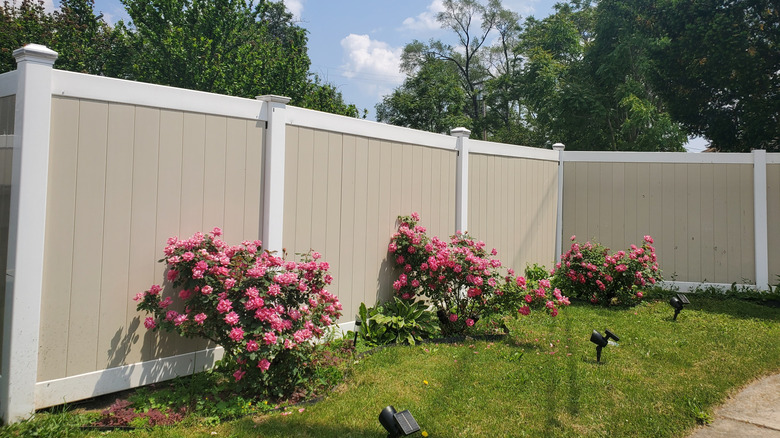
Homeowners work hard on their yards, so when plants aren't doing well, it's important to figure out the cause and fix it. While there are many potential causes for plants to struggle, one culprit that may not come to mind right away is your vinyl fencing. One of the main ways that vinyl fencing can affect the growth of your plants, flowers, and vegetables is by reducing the sunlight that reaches the plants, disrupting photosynthesis. Other negative effects include compacted soil along the fence line, reducing aeration, and restricted development of the plants' roots, making it harder for plants to absorb nutrients and water.
Vinyl fencing creates its own microclimate, blocking airflow and partially shading the area, which leads to warmer, more humid conditions near the fence compared to open spaces. If you choose the right plants that can thrive in shaded areas and areas with higher temps and humidity, they may be fine growing against a vinyl fence. But in many cases, homeowners don't realize how much vinyl fencing can interfere with their gardens and flower beds, and don't plant accordingly. Knowing that vinyl fencing can negatively impact the plants and flowers that are next to it will help you choose the right ones to plant from the start so you can avoid planting something that won't thrive.
How to successfully grow plants by a vinyl fence
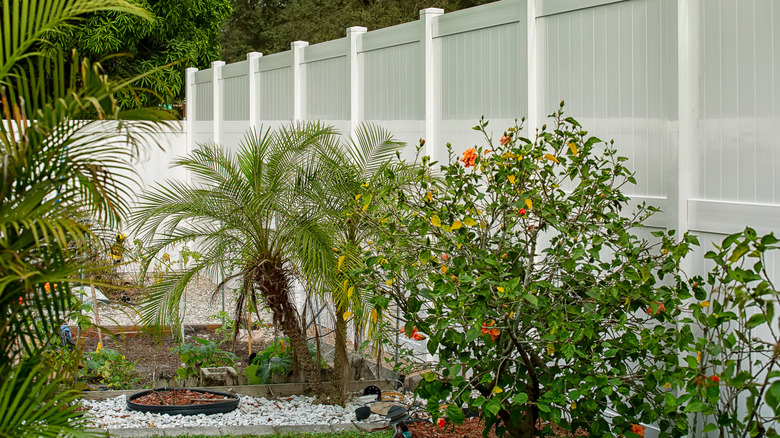
If you're starting fresh and haven't planted anything yet, you're in a good place because you don't have to worry about transplanting or moving anything that isn't currently thriving next to the vinyl fencing. It is best to move plants that are not doing well to areas where they can get more sun and less interference from the fencing. Sunlight is always important to a plant's growth and well-being, though some plants need less sunlight than others. Choose plants that do well in reduced light conditions like these shade-loving perennials that will brighten up any shaded areas of your yard to place next to your fence.
Looking to attract hummingbirds and bees? Create a pollinator-friendly garden with plants that can tolerate partial sun, as these will do great near your vinyl fencing. Since the fence can reduce the amount of water the plants get naturally, make sure to closely monitor your plants' watering needs and adjust your schedule accordingly. Check that the soil near the fence is not compacted and drains well, and choose plants that can handle occasional dry conditions like the drought-tolerant cascading flower that blooms throughout the hottest summers. While planting, take care to space your flowers and plants far enough from the fence so air can circulate properly.