

Deciduous Or Coniferous Trees: How To Choose The Best Type For Your Yard
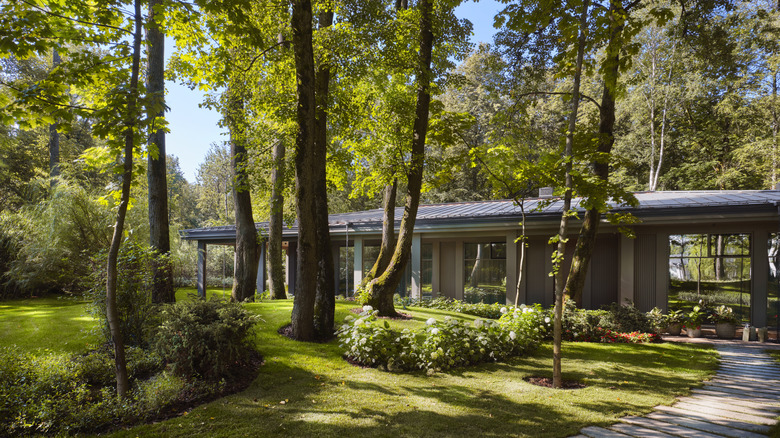
If you feel as if your yard is missing something, or you have way more space than you know what to do with, planting trees could be the solution. Planting trees can have several benefits beyond filling space, and choosing the right type of tree to suit your needs will bring your yard to life, literally. One major benefit of planting trees is that they allow your yard's ecosystem to flourish, including providing shelter to birds that serve as little helpers in your garden.
The two main types of trees you have to choose from are deciduous and coniferous, with each type offering its own unique qualities. Before you can pick a type, you need to understand the difference between deciduous and coniferous trees. Deciduous trees grow leaves that will eventually drop in the winter and regrow in the spring as a means to retain water better through the cold months — these are the trees that change color in the fall. Coniferous trees typically don't grow leaves; instead, they grow needles and often cones that stay on the tree year-round.
What can deciduous and coniferous trees do for your yard?
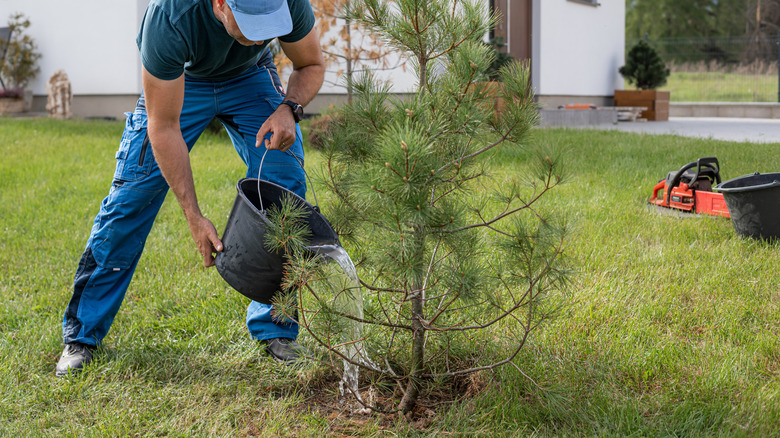
For beautiful fall foliage, deciduous trees can be a great option. They provide ample shade through the summer months, and their leaves will pull water from the air on muggy days, which can cool down the space around them. Depending on the species you choose, some will have fruit or nuts for you to enjoy.
While there are many benefits, the biggest downside to choosing a deciduous tree is maintenance. Due to the nature of the trees, their leaves will fall and will require cleanup if you don't want leaves covering your yard. Additionally, the bare trees are less appealing in the winter. Common deciduous trees to plant include oak, maple, and beech, or you can add some extra shade to your yard with the river birch.
Those who prefer less cleanup and more privacy may find coniferous trees a better fit. Since their needles usually only shed gradually, you won't have to clean them up often. Due to their much denser body and their ability to keep their needles year-round, coniferous trees can serve as strong natural barriers to sight, sound, and wind. If you plant them strategically, they can be a beautiful and effective way to add privacy to your backyard. Plus, many coniferous trees provide a pleasant aroma. The drawbacks to coniferous trees are that they are susceptible to disease and are particular about the soil they need to grow healthily. Common coniferous trees to plant in your outdoor space include pine, spruce, and cedar.