

Can You Use Olive Oil To Prevent Rust On Garden Tools? Here's What To Know
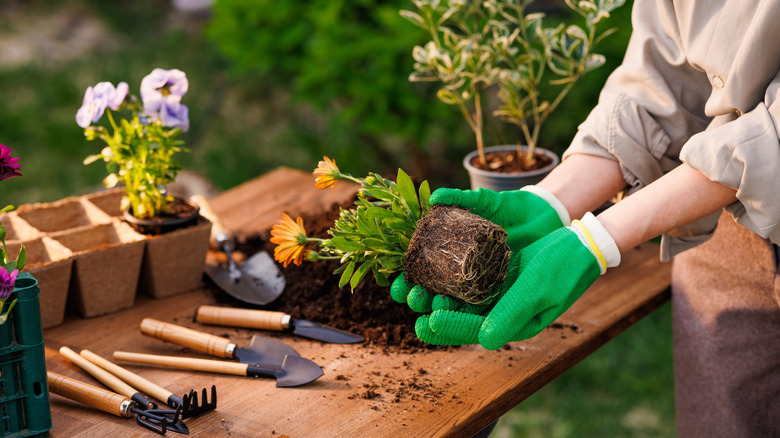
Gardening is widely considered to be the most relaxing hobby you could have, allowing you to destress, revel in the beauty of nature, and get away from screens. Unfortunately, gardening also comes with responsibilities, which can leave you frustrated enough to throw up your hands and quit until the following spring. One common challenge for gardeners everywhere is rusting equipment, which can run up a nasty bill, send you running back and forth to the store, and even result in injury to you or your plants if you're not careful. Luckily, there are ways to prevent your garden tools, lawn mower blades, and other outdoor equipment from accumulating dirt and rust with reckless abandon. Linseed and food safe mineral oil are great at preventing rust. But sometimes you need a quick fix when those aren't available. One such trick involves the use of a simple kitchen staple which you probably have on-hand in your home right now: olive oil. By rubbing just a small glug of olive oil on your shovels, spades, and hoes, you can shield the metal from common wear and tear, and prevent moisture from seeping in and ruining the tools before their time is up.
This works because olive oil provides a natural protective barrier against moisture (remember oil and water don't mix), which slows metal from corroding as it is exposed to the elements. There are also specialized products for this sort of thing, such as food-grade mineral oil, beeswax, and linseed oil, but olive oil is a great alternative in a pinch, or for anyone searching for a more cost-effective method. That said, there are drawbacks to using a vegetable oil of any kind on your gardening tools, as they can break down, go rancid, or contain impurities.
Best practices for utilizing oil in your tool shed
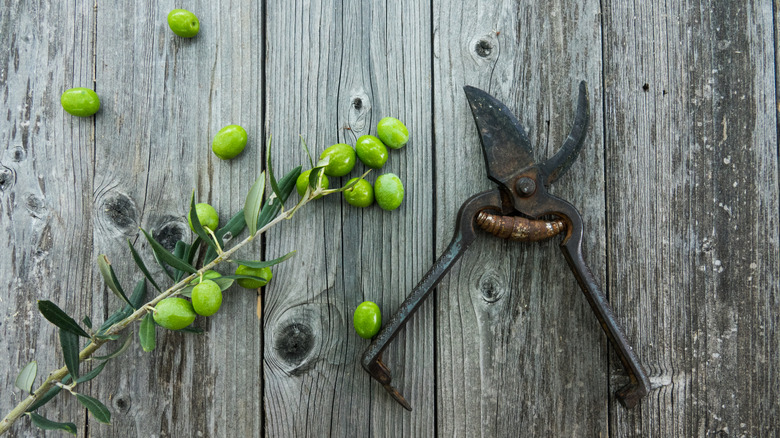
Before applying any oil to your gardening tools, make sure your tools are clean and dry. Some gardeners recommend storing garden gloves inside of mason jars, in order to keep them from wearing out after a small handful of uses. If you don't have a dedicated space for your tools, at least keep them wrapped in a dry towel when not in use to protect them. If you've already developed a patina of rust on your tools, you may still be able to salvage them with a quick clean. Depending on how far gone they are, try coating the blade with oil and using Barkeepers Friend cleanser and a wire brush or steel wool to strip away the rusted layers, and consider using WD-40 to keep them lubed between uses. It's also important to disinfect your garden tools with a bleach-free Clorox wipe to reduce the risk of spreading disease or mildew from plant to plant.
Once you've got your tools nice and dry, and free of any excess mud, give them a quick spritz of olive oil, and rub the cooking aid in with a towel or rag. This should help to establish a base hydrophobic layer that will keep water from permeating, and might even bring out the natural tones of your handle's wood finish. The advantage of olive oil or other food oils is that you're avoiding petroleum based products, which is especially comforting when working around fruits and vegetables. However, most gardeners recommend against using olive or other vegetable or animal oils, as they can oxidize and become tacky, or go rancid, attracting insects to your tools. Depending on the quality of your olive oil, there may also be fine particles of olives which can go bad.