

Protect Your Yard From Deer With A Must-Plant Lush Ground Cover
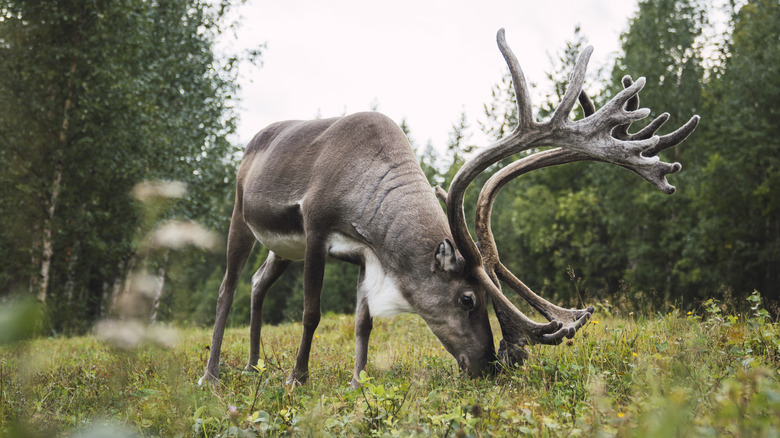
Watching as deer explore your backyard can be a special experience — up until they start eating all of your ground coverage. Ground coverage is an essential part of your yard, adding natural beauty while also providing handy benefits, like controlling erosion and even reducing the number of weeds that pop up in your lawn. So while deer might be a welcome sight in your garden, you may be looking for a way to reduce their hunger-fueled destruction. Thankfully, you don't need to remove all of your ground cover. Instead, you just need to pick the right types, and this deer-resistant, lush plant can be the perfect place to start.
Broadleaf stonecrop (Sedum spathulifolium) is an evergreen perennial, and it actually falls into the category of succulents. Broadleaf stonecrop, like other succulents, puts off deer thanks to its super thick leaves and taste. This vibrant ground cover is also quite easy to grow thanks to its hardiness. Paired with its resistance to deer, it can be a great solution for keeping your yard healthy and eye-catching if deer are a problem.
Before you start growing broadleaf stonecrop in your yard, there are a few extra steps to take. First, you'll want to learn more about this plant and its growing requirements. This will help you decide if this lush ground cover is the right plant for you. You should also note that deer-resistant is not the same as deer-proof, and you may want to consider a fence upgrade to keep deer out of your yard for extra protection.
How to grow broadleaf stonecrop
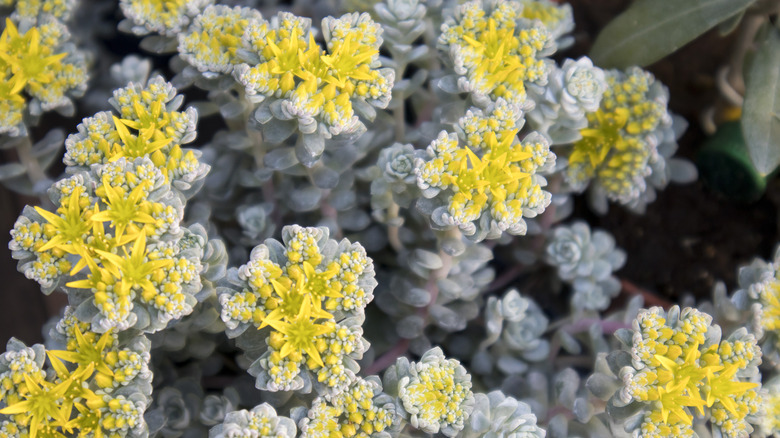
In the wild, broadleaf stonecrop grows in western North America as a native ground cover. Most often, you'll find it in rocky areas, from cliffs to outcrops. However, its hardiness allows it to thrive in a variety of conditions, so long as it has the proper care it needs. As far as hardiness zones go, broadleaf stonecrop can grow well in zones five through nine.
Because well-established broadleaf stonecrop plants are tolerant of drought, it's best to protect them from excessive moisture during the winter if you live in an area with abundant precipitation. Overall, this lush ground cover does well even in poor soil, as long as it has plenty of drainage, making it a great option for beginners in need of a fuss-free and low-maintenance plant.
One of the best parts of using broadleaf stonecrop is its ability to withstand different levels of sunlight. It can grow in full sun or partial shade, making it a perfect choice for adding greenery to some of the darker spots in your lawn. It also produces cheerful yellow flowers during the summer months — not only does this add a splash of color to your yard, these flowers can attract more pollinators like bees and butterflies.