

What To Consider Before Using Cornstarch To Improve Soil Health
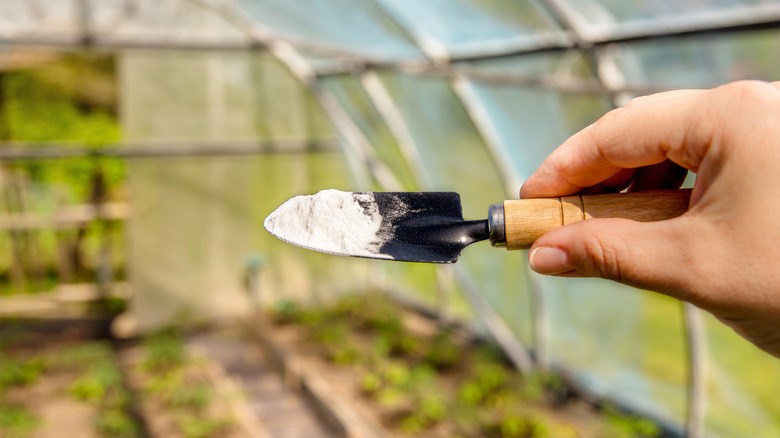
Though cornstarch is typically kept in the kitchen, it wouldn't be unusual to find it in a garden shed. Some gardeners use cornstarch to upgrade the quality of their soil. It's often touted as a tool for raising nitrogen and phosphorus levels, encouraging root development, and fostering flowering. Some even claim that it boosts populations of beneficial microorganisms. However, scientific evidence paints a more complicated picture. So if you're eager for supermarket cornstarch to perk up undernourished plants, you may be disappointed.
Some gardeners assume regular cornstarch can dramatically improve soil, but it doesn't actually contain significant amounts of nutrients like nitrogen or phosphorus, making it an ineffective fertilizer. With that being said, some cornstarch-containing products have been shown to deliver nutrients and support root growth. These products contain modified cornstarch, which is different from the minimally processed cornstarch sold in grocery stores. Research shows that the modification process improves cornstarch's absorption ability. For example, a 2021 article in HortScience detailed how a superabsorbent soil amendment, containing potassium salt and cornstarch-derived acrylic acid, helped tomato plants retain water and nutrients, improving yields.
Additionally, though regular cornstarch may lead to a modest increase in soil microbes, it's not an effective method to deposit tons of these little helpers directly into your garden. Instead, it serves carbon to microorganisms as it decomposes, just like dried leaves, sawdust, and other common compost pile components. Modified cornstarch, on the other hand, may be more effective at helping soil microbes flourish. The authors of a 2025 article in Geosciences Journal reported that another superabsorbent soil amendment featuring modified cornstarch decreased cadmium contamination while increasing microbial levels.
Ways to help your garden soil with regular cornstarch
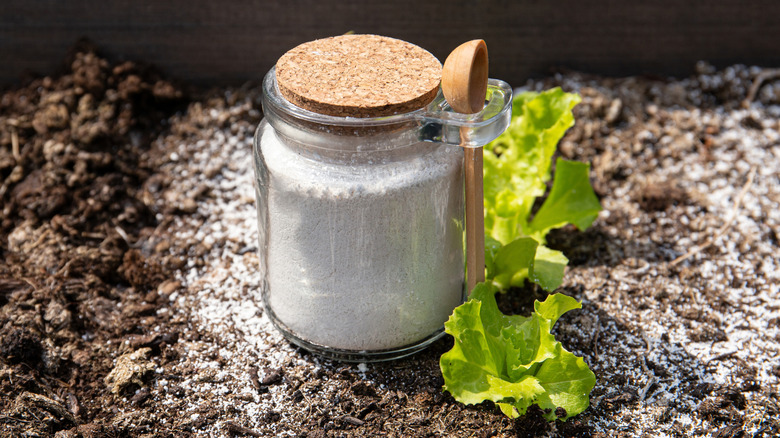
So, other than releasing carbon, what is regular old cornstarch good for if you add it to your soil? At least a bit of moisture retention, it seems. As a biopolymer, the cornstarch in your pantry can hold some water, whether it's mixed into cake batter or garden soil. For this reason, it's sometimes recommended to keep container gardens consistently damp. That said, it may do more harm than good if you add the wrong amount to your soil, potentially causing imbalanced pH and nutrient levels. Blend a couple of tablespoons into a gallon of compost to get the ratio right. Additionally, cornstarch can prevent seed overcrowding in flower beds, and it's helpful for keeping ants away from peonies and other sweet-smelling plants.
Standard cornstarch can also aid water retention and nutrient levels in a roundabout way. It's a key ingredient in a DIY mulch glue that can keep wood chips and pine straw in place. When organic mulches like these stay put, they regulate moisture in the soil below and release nutrients as they break down. Plus, cornstarch is useful for assembling DIY seed tape that keeps tiny seeds from clumping together or washing away when raindrops pelt your garden soil. Seed tape can even make your rows of seeds straighter, which might conserve enough space for you to plant a few extra carrots or heads of lettuce.