

How To Choose Between Red And White Cedar When Building A New Fence
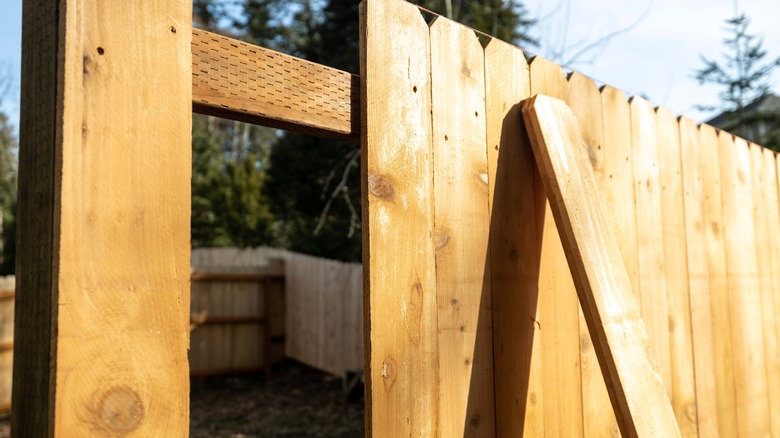
There are a lot of things to consider before building a fence around your property. How big will it be? What area will it cover? Is it for privacy from the neighbors, or protection for your garden from pests like deer or rodents? Excellent questions all. However, none of them will answer what is probably the most important fence-building question: What material should it be made of? Wood is one of the most classic, popular, and affordable fencing materials, and cedar is a top choice.
Cedars are a common species of evergreen, coniferous trees known for their fantastic ornamental and building qualities. Cedar wood is used to make a wide variety of items, including pencils, closet liners, and eco-friendly mulch. Its pungent oil is used in numerous products, including several pest repellents. As for building, cedar is sought after for its resistance to rot, water, and warping. So if you're planning on building a fence, you can't go wrong with cedar of any sort.
Two of the main types used in fencing are red and white cedar, and deciding between the two can be difficult. Each species is excellent in its own right, but also comes with a few downsides. We'll examine the benefits and potential drawbacks of choosing between red or white cedar, helping you make the best decision for your next fencing project.
Red cedar is beautiful but expensive
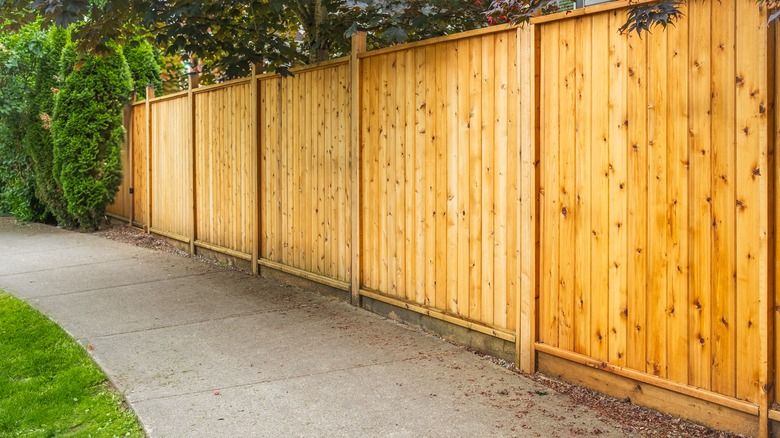
When the term "red cedar" is bandied about, this typically refers to the western red cedar. A softwood tree that proliferates throughout the western parts of Canada and the United States, western red cedar is prized for its reddish heartwood, regular availability, and how easy it is to work with. Thanks to its low density, red cedar offers great handling and is not too tough on your tools like denser woods, such as oak.
The biggest pro of working with red cedar is the fact that, generally speaking, it is less prone to imperfections like knotting than white cedar. Knotting is a particular issue when it comes to both the structural and visual aspects of wood. Plus, knotting tends to be less desirable aesthetically speaking, so if you're planning on leaving your fence posts untreated or simply stained, red cedar is the better choice.
Owing to this visual and structural value, red cedar is the more expensive of the two options. Depending on your budget, this might not be an issue. It is also worth thinking of red cedar as an investment — paying more upfront can save you from having to replace decayed and damaged wood just a few years down the road.
White cedar is long lasting but affordable
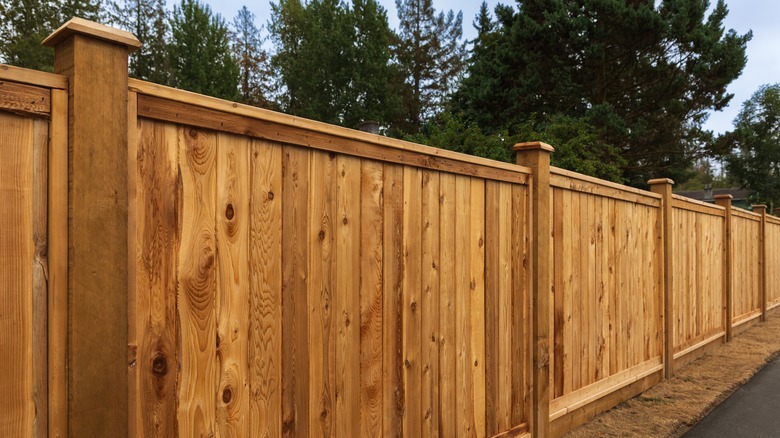
Northern white cedar and Atlantic white cedar are common building varieties of white cedar trees that you will find in most hardware stores. Each has excellent pest and rot resistant properties, though the northern white cedar tends to be more widely available. It has a stunning rustic appearance, and it's even softer than western red cedar, making it exceptionally easy to work with. White cedar is also less expensive than red cedar in general, which makes it excellent for anyone looking to update their outdoor space on a budget.
One potential issue is that, because it grows slower and shorter, white cedar is more likely to have imperfections such as knots. However, when it comes down to price, you could easily be swayed to put up with a few visual imperfections, and sealing the fence every few years can go a long way to preserving the wood. The good news is that you won't be sacrificing much for your budget. Even untreated, white cedar has a naturally long lifespan. That means that your fence could easily stand for decades without you needing to replace it.