

Here's How To Protect Your Tulips From Mice
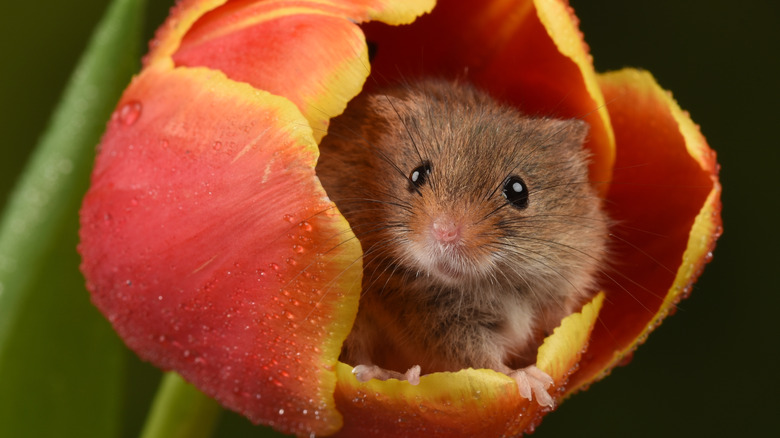
Budget-friendly, vibrantly colored, and a favorite among pollinators — when it comes to adding a flower that pairs beauty with functionality, tulips can be the perfect pick. However, the birds and bees in your backyard aren't the only ones who'll enjoy this flower. Tulip bulbs are rich in nutrients, making them a popular dinner choice among wildlife. As a result, when given the chance, mice, along with other rodents like voles, will turn your freshly planted tulip bulbs into their personal buffet. This wastes both your time and money, while leaving your garden lackluster come blooming season. Fortunately, if you're having trouble keeping mice away from your flower bulbs, there is a solution that can help protect your garden without sacrificing the colorful blooms you love.
When looking for tricks to keep pesky rodents out of your yard, consider choosing humane, harm-free options that keep both your plants and your wildlife neighbors safe. There are two simple, hands-off ways to do this. You can create a physical barrier with chicken wire that helps protect your plants from rodents, or use motion-detecting sprinklers that will startle any sneaky wildlife that approaches your tulips.
Before learning more about keeping mice from eating your tulip bulbs, it's important to remember that you should avoid touching or handling the culprits themselves for various safety reasons. The methods below offer a hands-free approach to keeping mice out of your garden, but if you have additional concerns, then you may want to reach out to a professional.
Tips for keeping mice out of your tulips
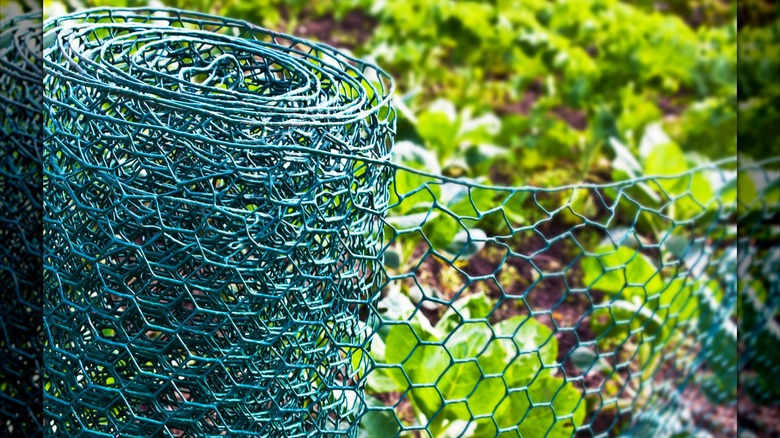
One of the first ways you can help prevent mice from eating your tulip bulbs is by setting up a physical barrier. Chicken wire or hardware cloth can be placed around your bulbs, making it difficult for mice to access the plants, but without restricting sun exposure or airflow. As a bonus, this method also protects your plants from squirrels. Simply stake the material into place (or set rocks over the edges for a more natural look) and then cover with a thin layer of your soil medium. This will keep the tulip fiends away from the plant bulbs.
You can also borrow a tip for keeping bears out of your yard: motion-activated sprinklers. When these sprinklers detect motion, they'll activate and begin watering your garden, discouraging any voracious mice from visiting your garden for food. However, because tulips require little water to survive and you want to avoid overwatering, you'll need to closely monitor the moisture levels of your soil.
If all else fails and you can't keep the mice away from your tulips, then you may look into replacing your tulips with daffodils. Daffodils are versatile tulip alternatives that still sport bright, vibrant colors. However, these flowers are toxic, a trait wildlife recognizes. As a result, while mice and other critters may make a meal out of your tulips, they'll often be less inclined to do so with daffodils. Because tulips can be grown indoors, you can have the best of both worlds: your favorite flowers thrive inside, while your yard features eye-catching, pest-resistant blooms.