

Why You Should Avoid Using Landscaping Fabric Around Your Trees
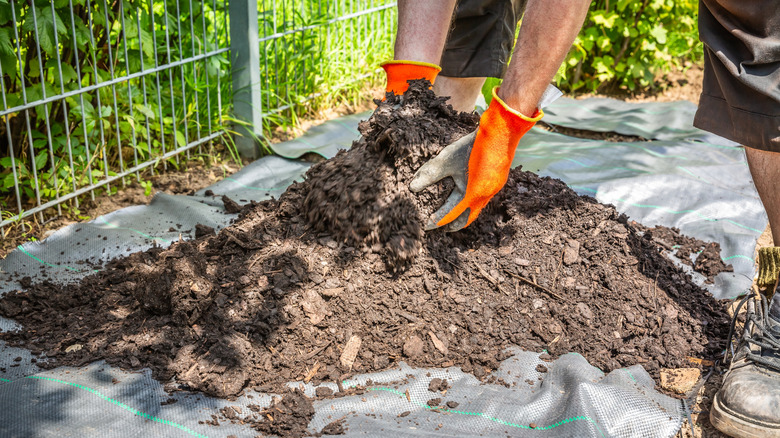
At first glance, landscape fabric sounds like a dream solution for your yard. It promises to reduce weeds, retain soil moisture, regulate soil temperatures, prevent erosion on slopes, and even stabilize areas beneath gravel or stone. For busy homeowners, those benefits can feel like a major win. Who doesn't want less maintenance, fewer weeds, and tidier-looking beds all season long? It's no wonder rolls of fabric line the aisles of every garden center, tempting anyone who's tired of spending weekends on their hands and knees pulling dandelions.
But when it comes to trees, that quick fix often creates more problems than it solves. While fabric may keep weeds at bay, it also restricts airflow in the soil, slows the natural breakdown of organic matter, and can interfere with healthy root development over time. Instead of building stronger, healthier soil, the barrier can actually suffocate it. And once fabric is laid, removing it can become a messy, backbreaking job, especially after years of mulching on top. Before you roll it out under your trees, it's worth understanding how to choose between biodegradable mulches and landscaping fabric for combating weeds.
Better alternatives to landscape fabric
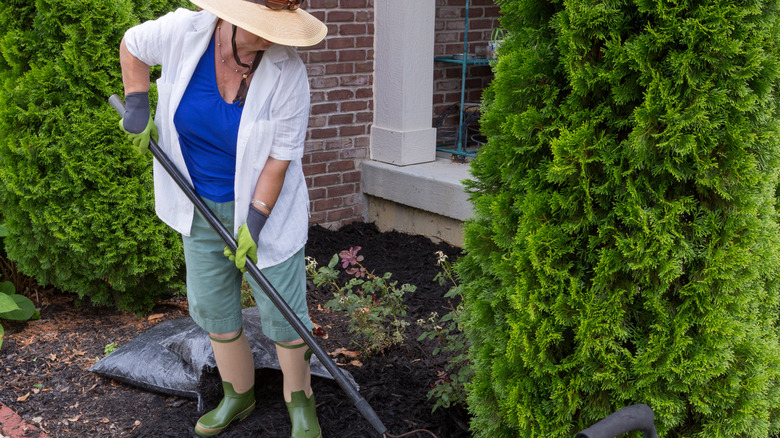
Instead of laying down synthetic fabric that can suffocate your soil and stress your trees, consider natural, biodegradable options that work with the environment rather than against it. Cardboard and newspaper are two of the easiest substitutes because they are cheap or free, widely available, and effective at blocking weeds when layered beneath mulch. Both break down over time, feeding the soil and attracting earthworms, which help improve the soil's structure and nutrient cycling. For something sturdier, burlap is a breathable, biodegradable fabric that suppresses weeds while still allowing air and water to reach your tree roots. If you prefer a more permanent, living solution, low-maintenance ground cover plants like creeping juniper can blanket the soil, outcompete weeds, and add beauty to your landscape.
Organic mulches are another tree-friendly option for combatting weeds. Not sure what the purpose of mulching is? Wood chips, bark mulch, straw, pine needles, and even shredded leaves all improve the soil as they decompose, regulating temperature, holding moisture, and preventing erosion. These choices not only protect your trees but also add nutrients back into the ecosystem over time. Just be mindful to keep mulch a few inches away from the base of your tree trunk to prevent rot and pest issues. The beauty of these alternatives is that they're easy to refresh as needed and much healthier for your trees than landscape fabric, which means less hassle for you and a better growing environment for your plants. You can also try these long-lasting materials that are perfect mulch alternatives.