

Waterproof Or Weatherproof: Which Type Of Outdoor Lighting Is Right For Your Yard
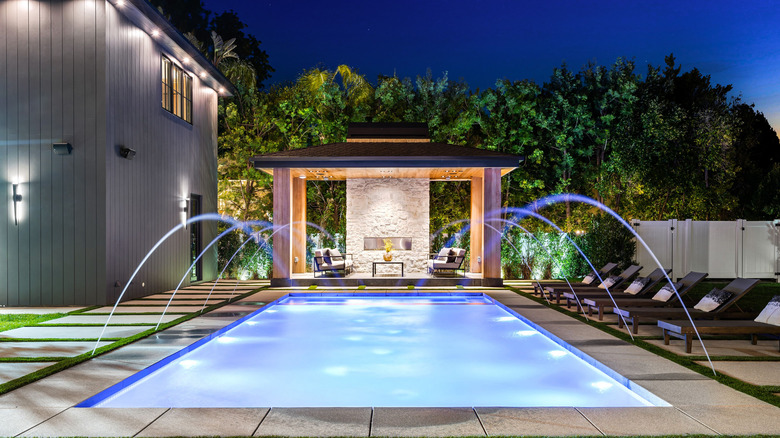
When it comes to outdoor lighting, there are many factors a homeowner needs to consider. Lighting is more than just a visual aid, after all; it can also be a matter of health, safety, and accessibility. Outdoor lights are necessary for anyone who enjoys entertaining since a roaring bonfire can't be the only source of light for your garden parties and late-night gatherings.
Since the outside world is unshielded by structures, it's necessary to stock up on light fixtures and other accoutrement that are waterproof, weatherproof, or generally resistant to whatever weather patterns are most common in your area. When making these purchases, whether you're looking to light up a swimming pool or add elegant charm to your garden pathway, knowing the difference between waterproof and weatherproof materials is key since the outdoor lighting types are similar — but not quite the same.
In general, weatherproof lights are designed to handle varying degrees of rain, snow, and other detritus of the outdoors, letting them occasionally get soaked without shorting out. On the other hand, waterproof fixtures are designed to remain underwater at all times, like those you might use to light up the interior of your swimming pool or hot tub. While the terms are often used interchangeably, they represent a fairly wide gap between use cases. The fastest way to determine how a product functions best in this regard is to check its ingress protection rating. This rating, denoted by two digits, tells you how the light fares against water and other debris. The first digit covers solid objects, such as dust, on a scale of one to six. The second digit indicates water tolerance on a scale of one to nine. Higher numbers mean better protection.
When to utilize a weatherproof light fixture
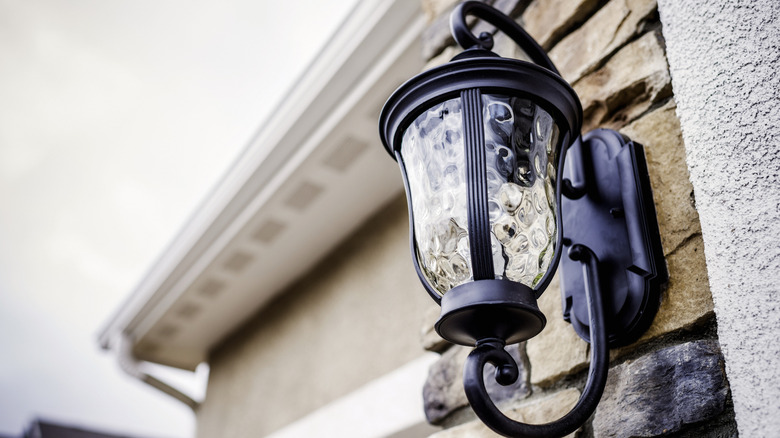
As explained, weatherproof lights are designed to withstand a reasonable amount of moisture without being fully soaked. Depending on the ingress rating, this could mean lights designed to be left out on the deck for several hours, even in a light rain, or lights built directly into the front walkway and left to brave the weather through the harshest of storms. Go for an extra-high ingress number if you live in an area which receives higher quantities of rain.
Generally speaking, weatherproof light fixtures come with a protective outer layer made from stainless steel, aluminum, or a particularly robust coat of paint. They are built to light up your patio, walkway, or deck and offer an array of light styles so you can customize to your liking. Though these fixtures are made to be splashed – they can also take on the water jet from nearby sprinklers, misters, and even the occasional squirt gun – you should still place them away from a swimming pool, fountain, or constantly running sprinkler. These lights shouldn't be under a 24-hour water jet or they run the risk of burning out quickly. As you can imagine, these lights are generally a little cheaper than waterproof lights since they don't stand up quite as well against the elements. If you're about to suffer a particularly heavy rain storm, it may be prudent to take these lights down and put them back up the following day (provided they're not built directly into your walkway).
When to utilize a waterproof fixture
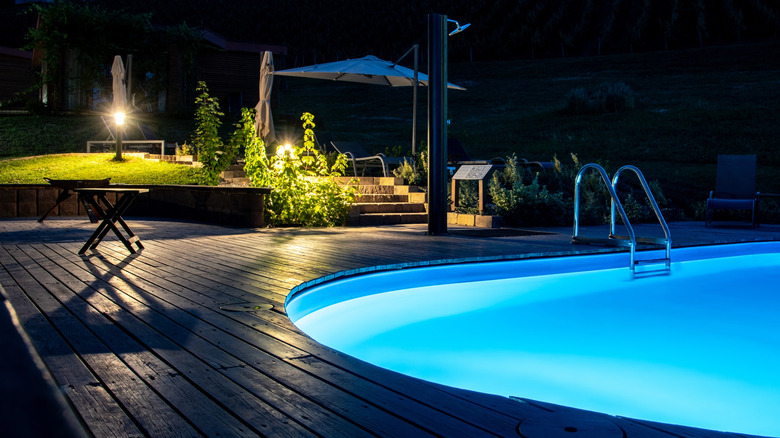
Unlike weatherproof lights, waterproof fixtures are designed with H2O in mind. These fixtures can be submerged in a pool, placed inside a fountain, or used to add some stylish lighting to your garden. Many homeowners opt to use waterproof lights in areas that get soaked each day, such as a garden with hydrophyte plants or a backyard jacuzzi tub. They are also a fan favorite to add to bird baths, letting you peep at the warbling songbirds as they visit your garden. If you live in an area with tons of rain, utilize waterproof lights in other portions of your yard to ensure they don't burn out during monsoon season. This generally costs a bit of extra cash up front, but pays off in the long run when you aren't forced to replace them several times per year.
Waterproof light fixtures tend to be coated in a dense protective shell, generally made with PVC, epoxy resin, silicone, or other similar materials. These and a handful of internal measures, such as carefully sealed gaskets and watertight sealants, make them nearly impenetrable for most suburban uses. Of course, every product has its drawbacks; even the highest-rated waterproof light fixture can dull or break with time, especially if it's up against salt, debris, or other chemicals. For instance, a light with an ingress rating of seven is only expected to remain submerged under 1 meter of water, so it shouldn't be taken scuba diving or chucked into the bottom of an olympic diving pool. As always, be sure to do your own independent research before committing to an expensive purchase.