

Add Shade To Your Yard By Planting One Of The Fastest-Growing Trees In North America
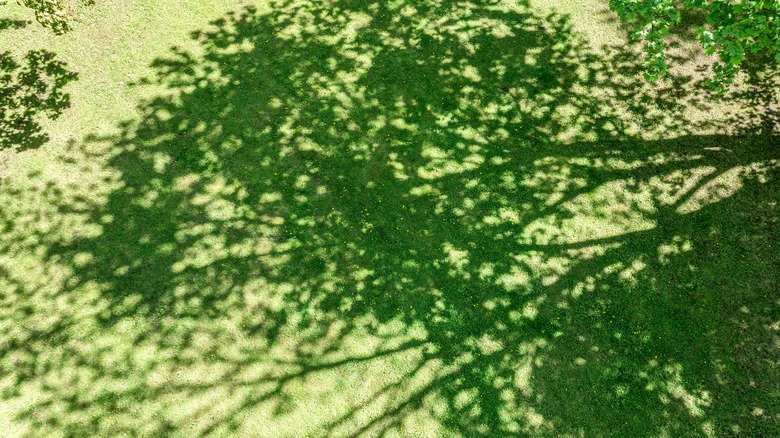
In the heat of summer, nothing beats hanging out in the backyard under the leafy cover of a beautiful shade tree. They can be wonderful additions to your outdoor space, like the magnolia, a flowering tree that will enchant you each spring. Not only do they give protection from the sun, but they also provide shelter and homes for birds, squirrels, and other wildlife, and add visual appeal, too. If you're looking to add some shade to your yard and want a tree that grows quickly, it's good to do a little research beforehand, as there are some fast-growing varieties that you should reconsider planting.
One fantastic choice that will quickly add shade to your yard is the hybrid poplar. These lovely trees grow six to 10 times quicker than other similar trees, making them one of the fastest-growing in all of North America, so you certainly won't have to wait long to get that shade you're looking forward to having in your backyard. Hybrid poplars reach a height of about 50 feet and can grow up to a whopping 8 feet each year on average. In the spring and summer, they show off leaves that are a silver-green on the top with a delicate pale green on the bottom. In the fall, get ready for some color as the leaves turn a bright and sunny yellow. Hybrid poplars are mostly chosen for use as privacy screens and shade trees, making them the perfect addition to your outdoor space.
How to plant and care for your hybrid poplar trees
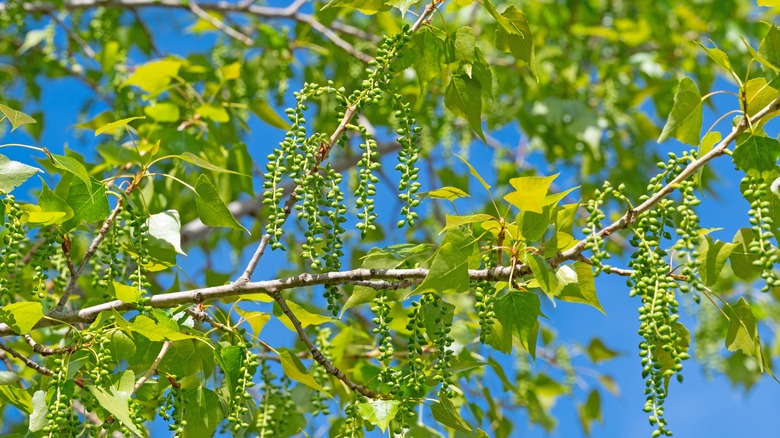
When planting a hybrid poplar, look for a place that gets a lot of sun or, at most, partial shade. They need a minimum of 6 hours of direct sunlight daily to ensure a strong branching structure is developed. The type of soil you have isn't as important as the sunlight and other needs because poplars are known for being able to grow in various kinds, from loamy to sandy to clay-based soil. It's important to know that they won't survive very long in suburban and urban areas due to their disruptive growing conditions. If a poplar does live decades in this type of environment, you may notice that it is a lot weaker than other trees, and will drop limbs and branches often.
These wonderful shade trees do best in a sandy loam that gets regular moisture. When watering your tree as it is growing, there are several major mistakes you need to avoid, such as doing it at the wrong time of the day. Give your trees roughly 10 gallons each week per tree, and make sure to water deeply so it gets down to the roots. During the first growing season of the poplar, do this is regularly done to help the tree get established.
You don't need to worry about fertilizing your poplar trees because they get the nutrients they need by mining the soil they are planted in. Pruning is important — especially if you notice broken or dead branches — to keep them from randomly falling. If no broken branches are present, prune each spring after all the frost from winter has passed.