

The Best Method For Keeping Chinch Bugs Out Of Your Yard And Garden
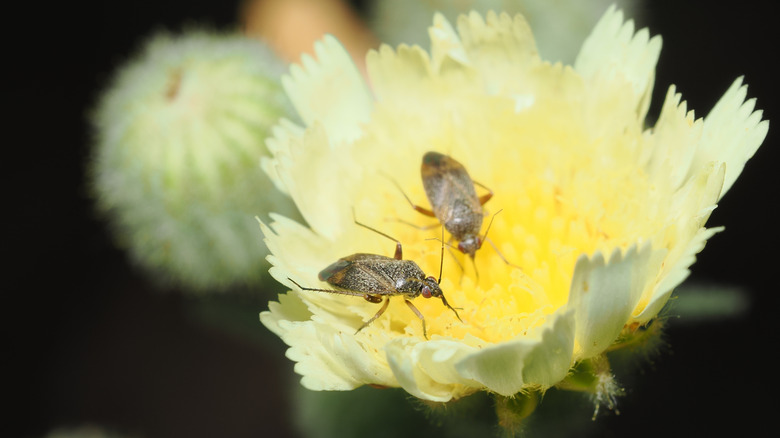
There are bugs aplenty in our yards and gardens, but some of them do far more harm than good. If you've never heard of chinch bugs, that doesn't mean you haven't had them in your yard before. If you're noticing brown patches in your lawn and it's not just summer, you could be dealing with chinch bugs. If watering your grass doesn't perk it back up, you probably have a chinch bug issue.
There are two types of chinch bugs (Blissus sp) found in the U.S. They are the hairy chinch bug and the common chinch bug. While the hairy chinch sticks with turfgrasses as its favorite thing to dine on, the common chinch would rather destroy your grain crops, including corn (but will settle for grass in a pinch). During the cold months, the bugs are hiding underground, but female chinch bugs lay a couple of hundred eggs. Once those eggs hatch, the baby chinch bugs will start their feast. They drink the sap from your grass until it dries out and dies. That's where the dry patches come from. There is one best practice to defeat these bugs without harming beneficial bugs that you want to think twice about killing, and it's as easy as taking care of your lawn.
Keeping chinch bugs out of your yard and garden
First, you'll want to test to see if you actually do have a chinch issue. On a sunny day, drag your foot through the grass, and see if the bugs crawl on your shoe. IFAS Extension University of Florida Gardening Solutions suggests using a handheld vacuum to suck up some of the bugs in your yard as a test. They recommend vacuuming about a square foot of both dead and green lawn to try and catch chinch bugs dining on fresh grass. Dump the debris in a clear bag so you can look for bugs. If you find them, it's time to take better care of your lawn.
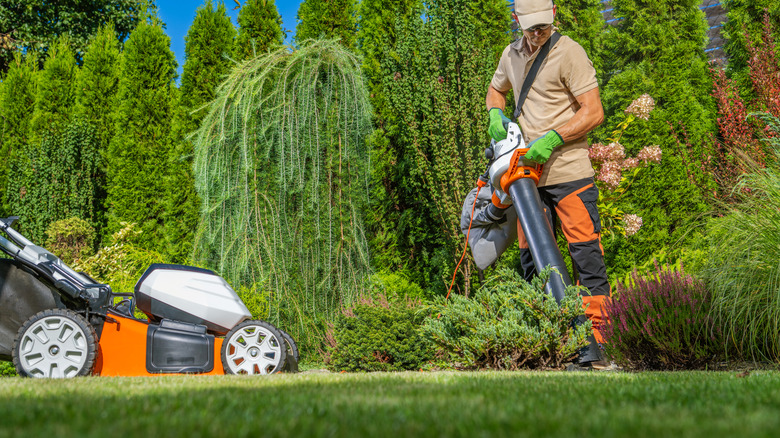
The best solution is prevention: When your turf is stressed, it attracts chinch bugs. Reduce stress on your lawn by ensuring good irrigation. Water your lawn early in the day so it has time to absorb the water before the sun comes up and dries it out. Check the nitrogen levels in your garden and lawn fertilizer — too much nitrogen can cause stress that attracts chinch bugs. You can adjust this with the right NPK fertilizer to balance things out. Lastly, don't mow your lawn too short. Removing more than one-third of the grass blade makes it easier for disease, insects, and weeds all to take better hold and it weakens roots.
You may feel compelled to reach for the pesticides and insecticides, but chinch bugs have become increasingly resistant to these. There's evidence they even grew resistant to DDT historically. Using a specific strategy called rotating modes of action invoking different pesticides that attack the bugs differently can help. That being said, your best bet is to cultivate a happy and healthy lawn that attracts fewer non-beneficial bugs.