

Why Your Lawn Smells Bad And How To Quickly Fix It
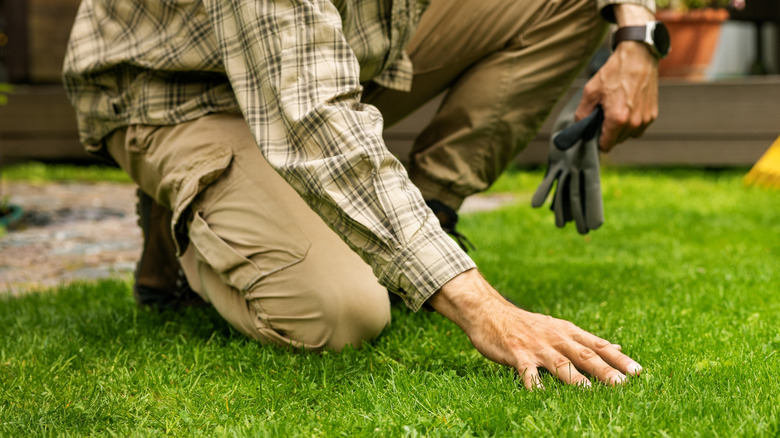
If you live in a flat, low-lying area, your yard may be prone to flooding. It's a major inconvenience that can make your backyard nearly impossible to enjoy. After several days, this standing water becomes rife with bacteria and mosquitoes when the weather warms up. This type of environment will eventually turn into a mud pit and could even harm the health of your pets. Even when there aren't large puddles throughout your yard, if the soil becomes waterlogged, mold can grow on your grass and eventually kill it. Along with the bug bites and your grass growing in patches, the rancid odor can completely ruin any chance you get to enjoy your yard. So, if you're looking to spend your summer outside barbecuing or tending your garden, it's best to fix that lawn smell as quickly as possible by installing proper drainage.
One of the most important steps is to recognize the causes of why your yard has become waterlogged. Sometimes there might even be several culprits. Low spots in the yard can capture water at any time of the year, but they tend to smell the worst during the summer. If you have a drainage ditch, it might get clogged and overflow. But one of the least obvious causes of flooding is soil type. Compact soils like clay tend to absorb less water, causing a layer of moisture to remain at the level of the grass. This can attract mosquitoes, cause mold to grow, and even create a foul smell.
How to remove that foul smell from your lawn
So how can you remove the smell from your formerly wonderful lawn? Well, if grading is the problem, you should dig a trench that directs the water downhill. It should be about 18 inches deep and 9 inches wide. You should line the trench with landscaping fabric, pour a layer of gravel into it, install a grate at the source of the problem, and connect it to a polystyrene-wrapped pipe that will take the water downhill. For every 10 inches of pipe you use, the trench should slope downward by 1 inch. Finally, you should cover the pipe with landscaping fabric, then gravel, and then soil.
If your drainage ditch is clogged, it's important to check if the city is responsible for its maintenance. If so, it's not your responsibility. But if the ditch is on your property, there's a good chance you have to deal with it. If you live in a suburb, a backed-up ditch can affect your neighbors, so it's important to handle the clog quickly. Most ditches clog at the entrance to the culvert, and you can unclog it using your hands or a shovel. Sometimes heavy machinery is required if the clog is too bad.
If you've determined that soil type is causing your yard to stink, then you'll need to acquire an aerator. This is one of the simplest ways to remove standing water from your lawn. You can either rent one or purchase one for the day, and there are also handheld aerators for smaller lawns. Either way, this tool will puncture the soil, allowing rainwater to seep in and dissipate. If your garden is waterlogged, you can also try using horticultural sharp sand, which creates tiny air pockets in the soil and lets water drain from your yard.