

What To Consider Before Adding A French Drain In Your Yard
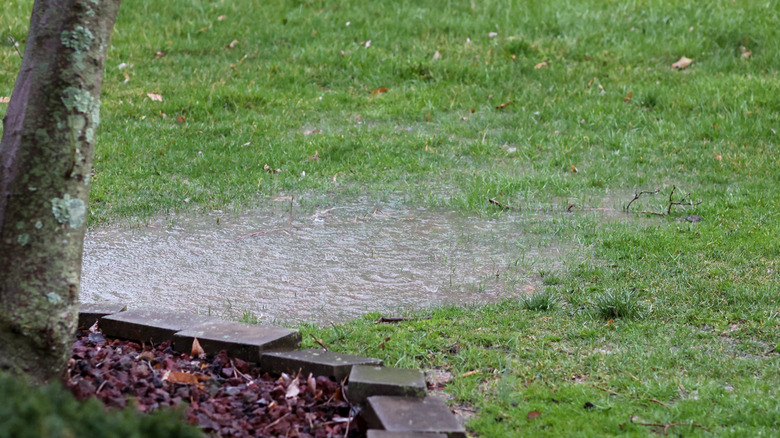
Water rarely cooperates. One minute it's soaking your backyard, the next it's creeping toward your foundation. If your lawn is soggy or you're noticing standing puddles after every storm, a French drain might seem like the perfect solution, and it often is. These clever systems of pipes redirect excess water away from your home, helping to reduce erosion, protect your home's foundation, and giving your lawn and garden a better shot at thriving. What's more, proper drainage is one of those elements you must have before planning to install a brick patio in your backyard.
But a French drain isn't something you just toss in and hope for the best. Done wrong, it can create more problems than it solves. A trench that isn't sloped correctly can collect water instead of moving it, potentially clogging the system or even sending moisture back toward your foundation or basement. And if you're not careful during installation, you could hit underground utilities, an expensive and dangerous mistake. Before you break ground on a French drain, it's worth understanding what's involved so your fix doesn't turn into a bigger issue.
How to Install (and Maintain) a French Drain
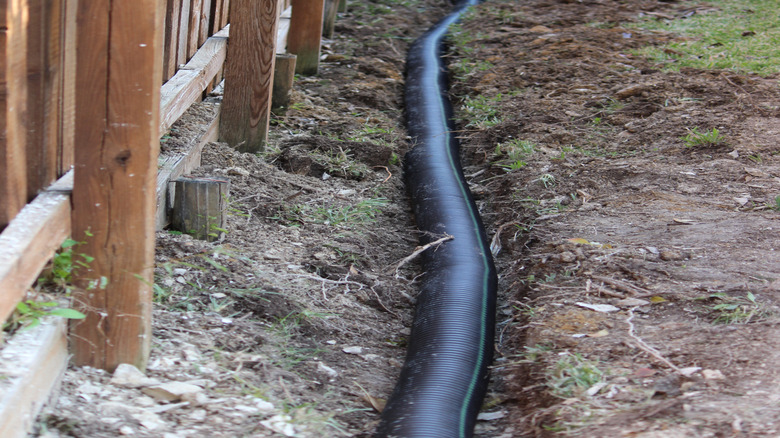
Installing a French drain sounds simple enough: You dig a trench, lay a perforated pipe, and cover it with gravel. But there's more to it than meets the eye. After marking underground utilities and mapping the best drainage route, you'll need to dig a trench that slopes at least 1 inch for every 10 feet of pipe to allow water to flow away from your home. Line the trench with landscape fabric to keep debris out and extend the system's life, then add several inches of gravel before laying the perforated pipe with the holes facing down. Once the pipe is in place, cover it with more gravel, fold over the fabric, and fill the rest of the trench with soil. You'll also need to choose a good drainage outlet, whether that's a dry well, storm drain, or safe downhill slope. Because the installation process can get tricky near foundations or if you're working around tree roots or hardscaping, many homeowners leave this outdoor renovation you may not want to try yourself to the pros to avoid costly mistakes.
Once installed, French drains don't require a ton of attention, but they're not completely hands-off either. Over time, leaves, sediment, and other debris can clog the pipe or gravel bed, slowing down drainage and leading to the very water problems you were trying to avoid. Regular inspections, especially after heavy storms, can help you catch issues early. If you notice standing water or poor flow, it may be time to flush the pipe or replace some gravel, avoiding these coming mistakes when using gravel in your landscaping. If a segment is broken (say, by a vehicle driving over it), you'll need to dig that part up and replace it. Neglecting this kind of upkeep can lead to costly water damage down the line.