

The Garden Fertilizer That May Be Attracting Squirrels To Your Yard
We may receive a commission on purchases made from links.
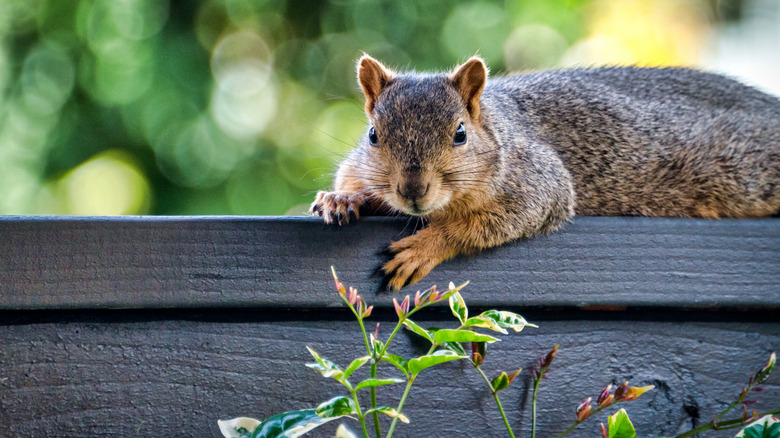
Squirrels are notorious for digging up gardens in their quest to bury nuts, locate previously buried goodies, or nibble on flower bulbs. While their nut-focused behaviors are hard to control, there's a preventive measure that may stop them from congregating in your yard. If you're feeding your garden fish emulsion, blood meal, or bone meal, try a product that doesn't contain animal products. The aforementioned fertilizers are likely to draw a range of creatures, including scavengers such as skunks and raccoons. Contrary to popular belief, squirrels and other rodents may also be on this list.
The pungent scents emitted by fish emulsion, blood meal, and similar fertilizers catch squirrels' attention. Though blood meal is sometimes used to repel squirrels, it loses this ability if it gets wet, which is bound to happen when rain falls on your garden. Water dilutes the ammonia that contributes to blood meal's potent smell. Ammonia is thought to repel squirrels by reminding them of predators' urine, and when squirrels aren't worrying about predators being nearby, blood meal may bring to mind the mice and small birds they sometimes consume.
Though sometimes touted as a rodent repellent, fish emulsion can be attractive to squirrels and chipmunks. It might get squirrels thinking about the snakes and worms they sometimes eat. Though squirrels probably won't find these snacks when searching for the source of the enticing smell, they're likely to find your bulbs and devour them. For these reasons, a fertilizer with a weaker scent and fewer animal associations is a better choice if your yard is showing signs of a pest problem. Incessant chattering and distinctive droppings may indicate a squirrel infestation.
Natural fertilizers that aren't appealing to squirrels
Many gardeners fertilize their plants with blood meal, bone meal, or fish emulsion because they don't contain synthetic chemicals. If you'd like to keep using a natural fertilizer but want to make your yard less appealing to squirrels, you have a few options. Compost is one choice to consider. It gradually releases a range of plant-supporting nutrients and can improve your garden's drainage as well. You can mix it into existing soil or use it as a topdressing. If it's well made, its scent should be mild and earthy. You can use backyard compost trenches or a bin such as the Nazhura dual-chamber rotating compost tumbler to make your own at home.
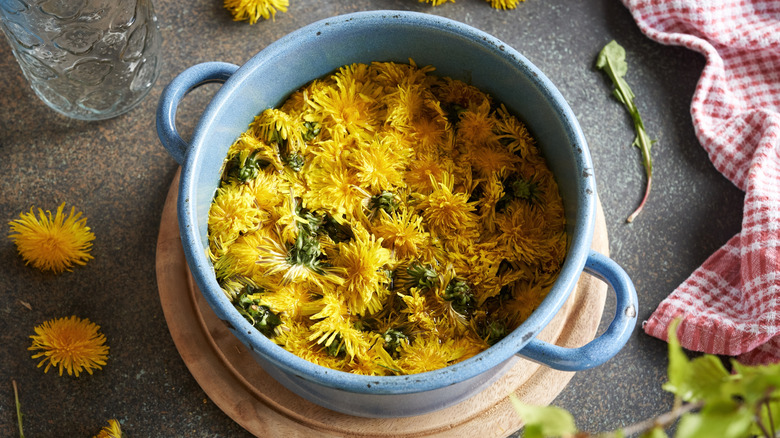
Nourishing your garden with DIY fertilizer teas is another route to explore. There are a host of natural liquid fertilizers you can concoct by soaking produce scraps or easy-to-find plants in water. When attracting squirrels is a concern, avoid fertilizers made from eggshells, banana peels, and other foods that may interest these creatures. Instead, go for nutrient-rich teas brewed primarily with stems, leaves, and lightly scented flowers. Dandelions are a popular base for liquid fertilizer. To make a potassium-packed tea with them, fill half of a pot or pail with flowers and foliage. Cover the plant parts with water and let them sit for about a week, stirring them daily. Afterward, strain the mixture, dilute the resulting liquid, and feed it to your plants. You could even use this method to make tea from garlic, crown imperials, or other plants that deter squirrels. As an added bonus, garlic-infused water can repel wasps and other pests.