

Keep Squirrels Away From Hanging Plants And Window Boxes Using This Simple Herb
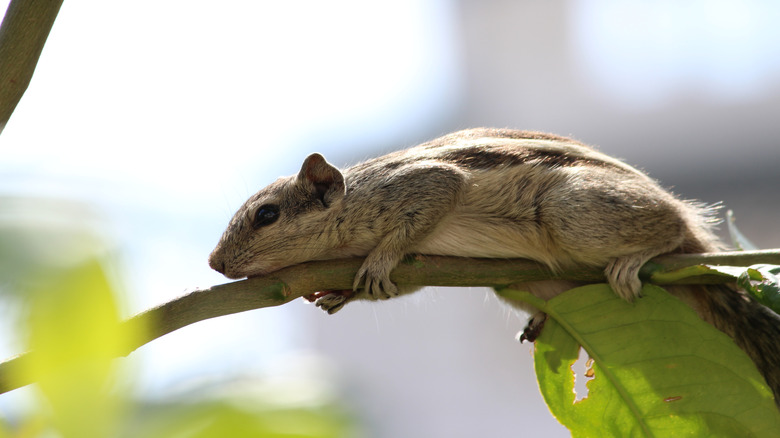
If you've tried elevating your plants to protect them from squirrels, you've probably discovered just how daring these creatures can be. They will not hesitate to climb up a railing and leap onto one of your hanging flower pots in search of cherry tomatoes or freshly planted bulbs. If you have window boxes, you may have seen squirrels climb vinyl siding or brick walls to get at them. But don't worry, you can repel squirrels with certain herbs.
Squirrel-repellant plants are excellent for protecting your yard from these pesky critters, especially if you've already tried other methods with little to no success. Before you hang up your gardening tools in frustration, try using mint to keep squirrels away from your window boxes and hanging plants. For those who've never kept an herb garden, mint is a great plant to get started with because it's very easy to grow. It thrives in USDA Hardiness Zones 3-9, which covers most of the continental United States. Just put it in the soil after the frost, and it should stay until winter.
Better still, the plant is perennial, so it's likely to return the following spring. However, keep in mind that mint is considered invasive because it can spread rapidly, so you should probably grow it in its own pot.
How to use mint to repel squirrels from your hanging plants and window boxes
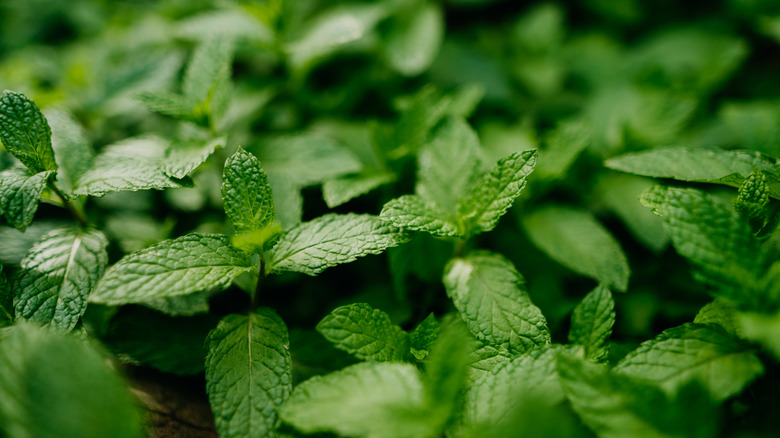
Squirrels have a very powerful olfactory sense, which they use to locate food. On the other hand, the strong odor of mint is overpowering, and squirrels will avoid it. The process of extracting the scent is simple. Simply harvest the leaves, crush them, seal them in a container with 1 to 2 cups of vodka, and let the concoction sit for a couple months. Once you've completed those steps, pour the strained liquid in a spray bottle and dampen the leaves of your plants with it. The squirrels should stay away if you follow this process regularly.
While mint repels squirrels, it can attract organisms that are beneficial to your flowers and vegetables. For example, pollinators like butterflies and bees are attracted to mint. Mint is also a great companion because it repels insects that can harm your plants. It will help ward off cabbage flies from cauliflower, and it will keep flea beetles away from eggplant and radishes. Mint is also known to repel mice, and it even attracts ladybugs and caterpillars that will devour aphids. If you continue to have issues with aphids, there is an Epsom salt trick that can banish them from your garden.
If you're not interested in mixing up mint concoction or planting the herb, there's another way to use it to protect your hanging plants and window boxes from squirrels. Just dry out some mint leaves for a few weeks, put them in potpourri bags, and leave the bags around your plants. You can also humanely banish squirrels from your yard using spices like cinnamon.