

Keep Your Distance From These Dangerous Deer In Yosemite National Park
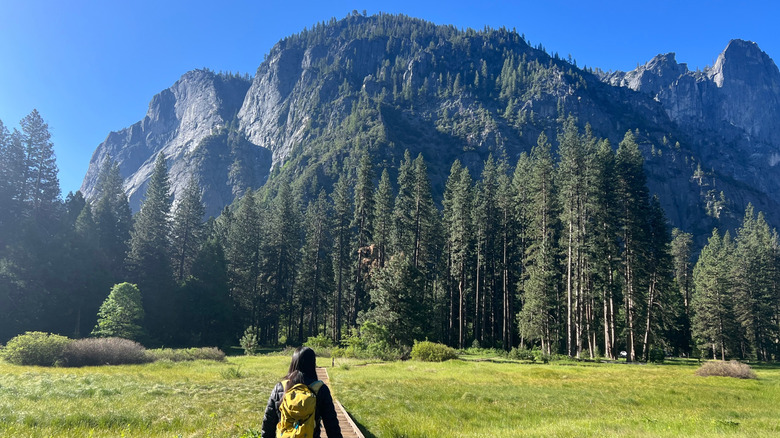
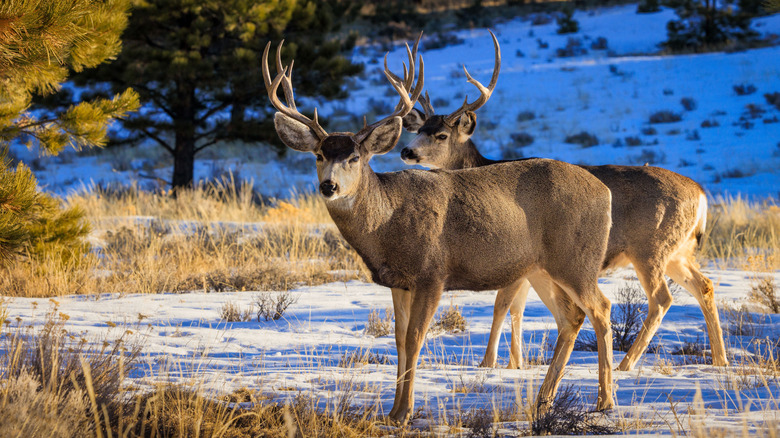
There are over 400 wild animal species and 90 distinct types of mammals regularly found in Yosemite National Park. This includes some well-known predators, including black bears (Ursus americanus), mountain lions (Puma concolor), and the Northern Pacific rattlesnake (Crotalus oreganus). When you think of creatures to beware of while adventuring in Yosemite National Park, these are the ones you might think of first. However, the animal that causes the most harm to visitors in Yosemite are not one of these, but a species known as the mule deer (Odocoileus hemionus).
In an Instagram post, Yosemite(@yosemitenps) posted a picture of these charming animals, and warned visitors. "Every year, more injuries in Yosemite are caused by deer than by any other animal in the park ... Equipped with sharp hooves and antlers, a deer will lash out and defend itself if startled. This happens most often when visitors try to approach or feed them ... While they might appear friendly and adorable, mule deer are, at their core, wild animals that deserve their space. So, on your next trek through the park, please keep your distance and admire these creatures from afar."
While mule deer can be dangerous at any point of the year, visitors need to be especially careful around fall. This is when males become more territorial and aggressive. There are plenty of fun outdoor activities to enjoy on your trip to Yosemite National Park, but always make sure you stay alert.
How to stay safe around mule deer and other wildlife
Because feeding wildlife is not only dangerous to humans, but to animals who don't react well when they eat the wrong food, this practice is illegal. If visitors are too close to a wild animal or trying to feed one, they risk a large fine, jail time, and even a ban from the park.
Additionally, while mule deer are the most dangerous in Yosemite, plenty of other animals are capable of hurting you, too, if they feel cornered or aggressive. While you may want to get close to seeing wild animals, it's best to keep your distance. The general rule of thumb is to stay roughly 75 feet away from most wildlife. Since that's hard to picture, imagine two buses lined up between you and the animal. The only exception is a black bear encounter. They are a little less tolerant of people, so you should double the distance between you and bears, about 150 feet, or four buses away.
It's also important to note that though Yosemite is the one who issued the warning, these are good rules to follow any time you're outdoors. Mule deer are dangerous anywhere. For example, they are one of the creatures to beware of when visiting Bryce Canyon National Park as well. Wildlife, whether in your backyard or in a designated natural area, don't enjoy being startled or cornered. If you come across an animal, watch it from a safe distance and don't pet it.