

Choose The Safest Water To Use For Your Homemade Hummingbird Nectar With These Tips
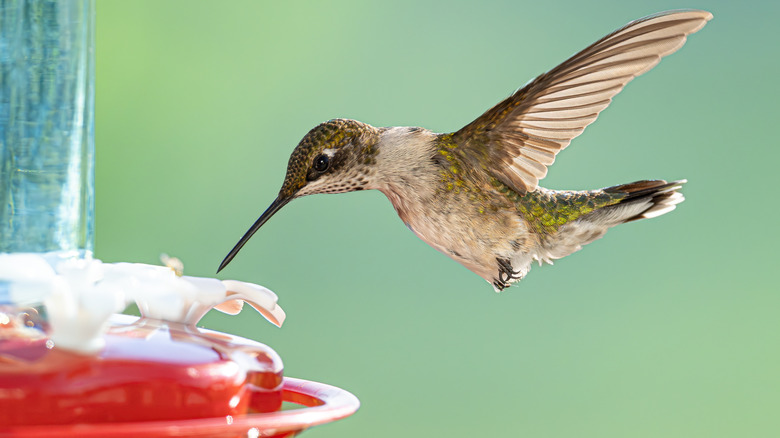
There's something magical about placing a hummingbird feeder just outside your window and watching the air around it come alive soon afterward. One moment your yard is still, and the next you see a blur of wings and a flash of iridescent color, accompanied by the soft hum of a visitor who seems to know they were invited. Whether you're using a store-bought nectar mix or your own perfect homemade sugar-and-water recipe, it feels like an unspoken agreement between you and these delicate birds: You offer sweetness, and they offer beauty. But there's one ingredient most people overlook in their effort to attract more hummingbirds, and it's not the sugar, it's the water.
Most people think if you get the sugar part right — pure white sugar, no dyes, no honey or artificial sweeteners — you're all set. And, for the most part, that's true. But there's more to hummingbird nectar than just sweetness. Tiny details can make a big difference in how hummingbirds respond to your feeder. Something as ordinary as what kind of water you pour into your mix can play a surprising role in your feeder's success. Turns out, even the basics deserve a second look when your goal is to welcome something as extraordinary as a hummingbird.
Sweet nectar starts with smart water
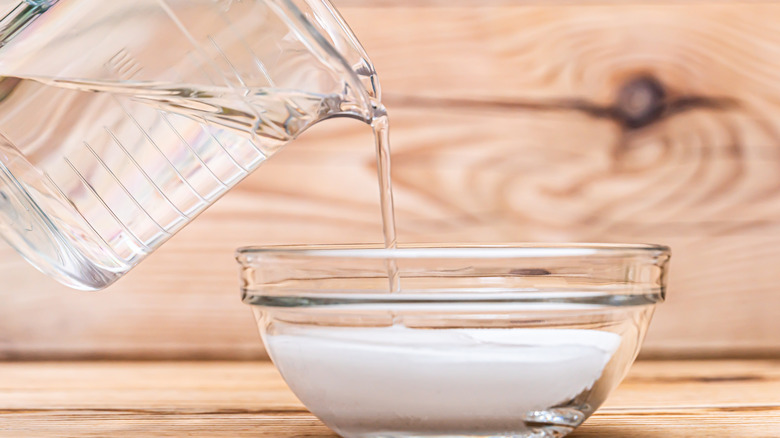
When it comes to filling your hummingbird feeder, sugar is only half the equation. The water you mix it with — tap, distilled, bottled, or well — can influence the health of your garden guests. Tap water often contains chemicals like chlorine and fluoride, and salts from water softeners in high concentrations can disrupt the delicate balance of nectar and potentially harm hummingbirds over time. On the other hand, distilled or demineralized water, while free from contaminants, also lacks the trace nutrients found in more natural sources. It may seem like a small thing, but when you're nourishing creatures that weigh less than a nickel, every choice matters. Filtered tap, spring, or well water — clean, fresh, and not overly processed — is often the best option to keep your nectar both effective and safe.
The recipe itself is simple: combine one part white granulated sugar to four parts water, bring to a boil to dissolve, then cool. In summer, you can skip the boiling step if your water is clean, though boiling helps extend the nectar's shelf life and remove potential contaminants. Store unused nectar in the refrigerator for up to one week. Strategically adding aluminum foil can help keep your hummingbird nectar cool in warmer weather. Offering clean, properly balanced nectar is one of the easiest ways to keep hummingbirds healthy, happy, and coming back for more. And to keep bees from hogging your hummingbird feeder, try planting pollinator-friendly blooms nearby to give them sweet distractions of their own.