

The Types Of Plants That'll Attract A More Diverse Variety Of Birds
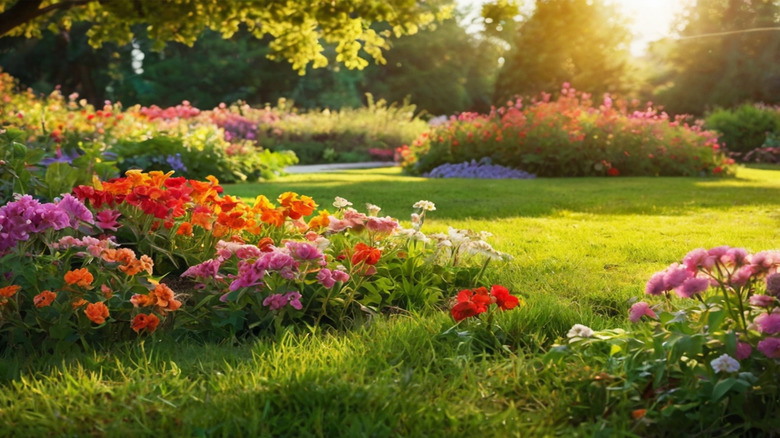
From dazzling pollinators like hummingbirds that keep insects at bay and your flowers healthy to melodic cardinals and tufted titmice that fill your garden with song, birds are welcomed visitors in most yards. Because there are so many different ways that birds help around your garden, you may find yourself wishing you had more birds calling your yard home. Thankfully, with just a few different types of plants, you can turn your wish into a reality.
Of the birds that live on land, almost every species relies on plants for healthy, happy lives. Whether they need plants for food or use towering trees and bushes for nesting, plants are an essential part of the ecosystem for birds. That's why offering a range of plant types in your yard —from berry bushes to seed-producers — can help attract a diverse variety of birds.
As with any gardening adventure, make sure to do thorough research on a plant before adding it to your yard. This includes checking how well it grows in your area, if it's an invasive species to be avoided, as well as any toxicity to be aware of, especially if you have children or pets. You can also take the time to learn more about the birds local to your area so you can pick plants that directly target their needs.
Native plants naturally invite bird diversity
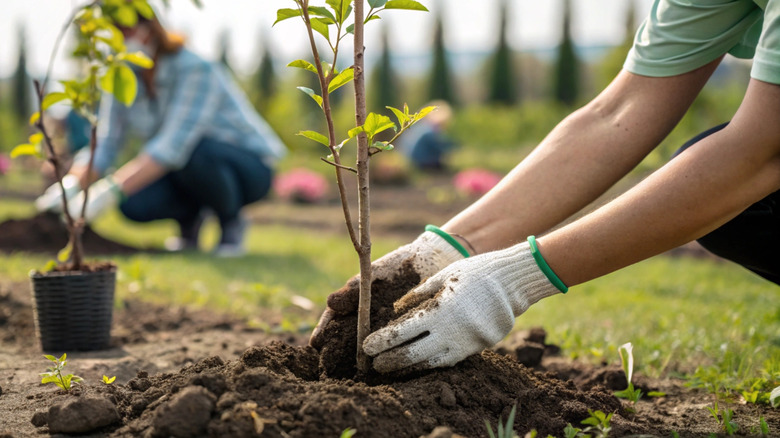
When it comes to using plants to attract more birds to your garden, native plants are a top choice. For many birds, native plants provide an invaluable source of food, whether through the fruits and flowers they produce or through the insects they attract.
On top of this, native plants are also designed to thrive in your yard. Because they're native to the area, these plants have adapted to the climate, precipitation, and soil for your region. While results can vary based on your specific yard, you'll find that, overall, native plants can be easier to grow and tend to than non-native species. This is because they need less maintenance — many won't need extra watering beyond rainfall, for example —giving you more time to enjoy the birds your garden attracts instead of tending to said garden.
To learn which plants are native to your area, you can use online resources or reach out to local experts. In doing so, you may also have the opportunity to learn more about the different birds that call your region home.
How berry bushes invite birds to your yard
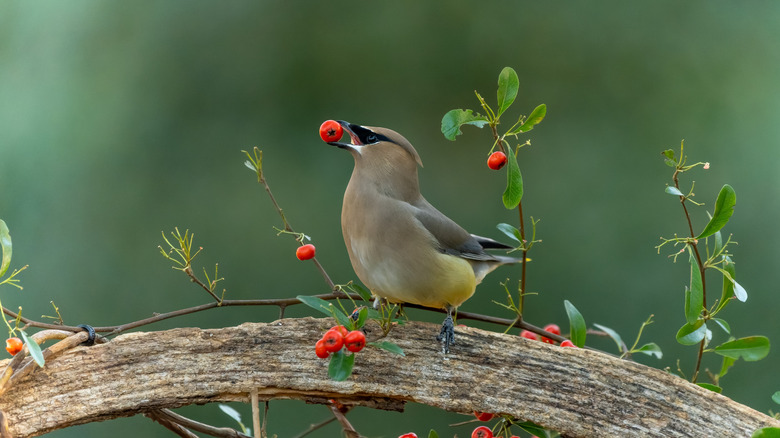
While native plants are a top pick for encouraging more birds to visit your garden, they aren't your only option. You can also opt to add more berry bushes which, like native plants, combine food with shelter.
From blueberries to raspberries, berry bushes provide ample fruit for local birds to enjoy. Bluebirds, thrushes, warblers, and even woodpeckers are all examples of birds that love a berry buffet. Berries are also a great way to attract insects, especially caterpillars, to your garden. While these will eventually grow up into beautiful butterflies, which act as helpful pollinators around your yard, they also provide an additional food source for insect-eating birds. As a result, like native plants, berry bushes can target a wide range of different birds, even those that won't feed from the bushes themselves.
On top of acting like a dinner bell for a diverse variety of birds, dense shrubbery isn't just eye-catching in your garden. Instead, it also provides a place for birds to rest and preen or even build their nests away from the wandering eyes of predators.
Plant nectar-producing flowers for pollinators
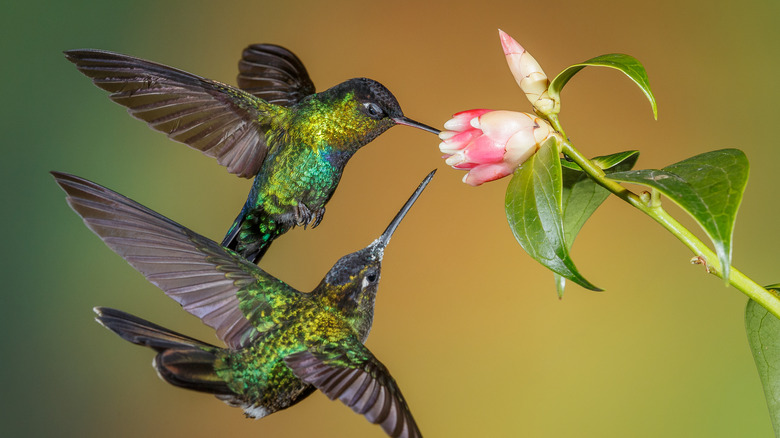
For many species of birds, nectar is an important part of their diet. Even though they may also eat insects for protein, as is the case with hummingbirds, nectar is still essential, providing hydration and energy. While you can opt to add saucer-shaped hummingbird feeders, you can also choose plants that bring color and life to your yard while providing species like hummingbirds with a food source.
While not every flowering plant produces nectar, many do as an adaptation to encourage pollinators to visit. As a result, if you want to attract more birds of all types to your yard, it may be worth adding some nectar-producing flowers. Hummingbirds aren't the only pollinators interested in nectar either — insects like bees, hawk moths, and even some types of flies love this tasty snack. Because of this, even the birds who don't eat nectar themselves can benefit from you adding colorful blooms to the yard.
Your options aren't limited to basic flower types, either. If you have a smaller space, you can mix and match powerful pollinator-friendly plant combinations that thrive in containers. If you have space to spare, you can plant larger bushes and shrubs with nectar-producing flowers.
Add seed-producing plants to your garden
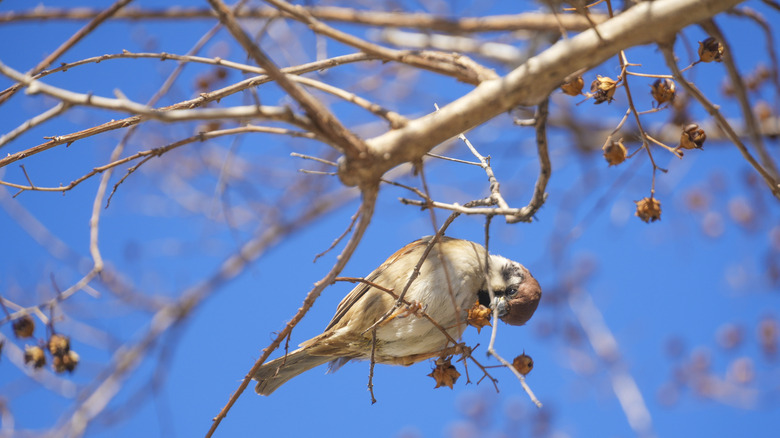
As you search for different food sources to tailor your garden for a wider variety of birds, you might also want to look into seed-producing plants. Did you know that some birds may only be attracted to certain seeds? While many types of birds like sunflower seeds, other plants like thistle may be better at encouraging distinct species like finches to visit.
If you want to add seed-producing plants to your bird-magnet lineup, some popular choices among birdwatchers and gardeners alike include sunflowers, black-eyed Susans, zinnia, cosmos, and coneflowers. There's an added bonus to these flowers as well: They tend to be fuss-free plants that even beginning gardeners can grow to see successful blooms.
Like with all plants geared toward feeding birds, there are extra steps you may need to take to ensure that they're safe for avian consumption. This includes avoiding adding any chemicals when you can and choosing bird-safe options when you can't. Some seeds contain significant oil and may spoil after a day or two if not eaten, so consider removing seeds left untouched on the ground after a few days.
Provide trees and shrubs for shelter
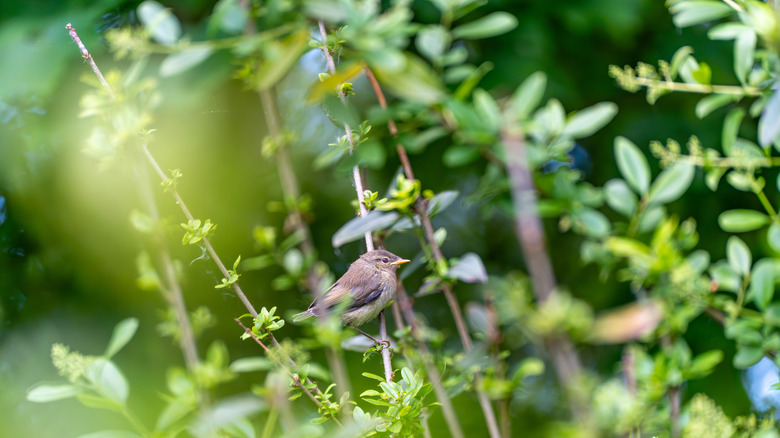
Lastly, plants that provide food aren't the only vegetation that will help attract a more diverse variety of birds. It's useful to meet the other needs of local birds too, including their need for shelter.
Birdhouses are a great way to encourage more birds to choose your yard over the wilderness when it comes time to build their nests. However, some birds, like hummingbirds, won't use a birdhouse. Plus, nesting only takes up part of the year — it's good practice to offer shelter that's useful year-round too, particularly for non-migratory birds. That's why adding trees and shrubs can be a key step in inviting more unique birds to your yard.
The type of birds you want to attract can dictate the types of trees and shrubs you choose to plant. If you're wanting smaller birds that often fall prey to other animals, dense shrubbery and medium-level shelters are often a good choice. However, if you'd like to see the occasional large bird, especially a raptor, you may want to add tall-growing trees that provide the perfect place for them to perch.