

The Well-Known Sweet-Smelling Flower Hummingbirds Are Obsessed With
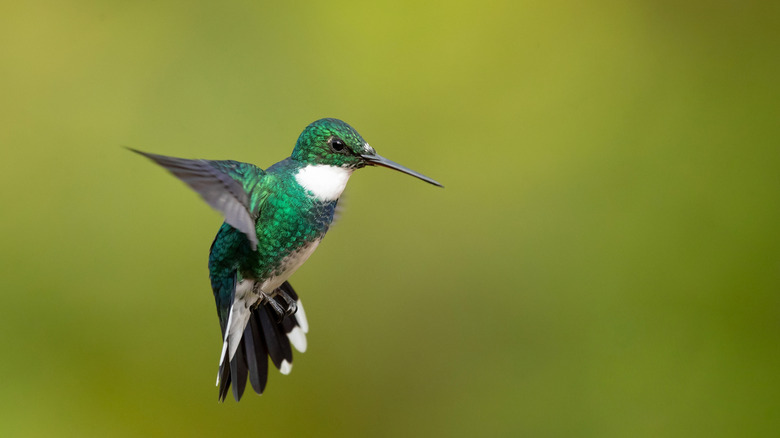
Imagine stepping into your garden and being surrounded not only by beautiful, fresh-smelling flowers but a flurry of jewel-colored hummingbirds. Hummingbirds bring life to your garden, and flowers are a great way to attract them while also creating a space you love to be in. While there are many types of hummingbird-friendly flowers you can add to your yard, the sweet-smelling lilac (Syringa vulgaris) is loved by many gardeners and birdwatchers alike because of its dainty but fragrant cluster of flowers.
When it comes to what hummingbirds look for in a flower, lilacs check all the boxes. Although hummingbirds have a diverse diet, nectar plays a large role in what they eat day to day — and lilacs are a great source of nectar. These flowers look as beautiful as they smell too, with vibrant blooms in a variety of colors. This includes pink and purple, which hummingbirds are drawn to.
As a result, if you're looking for the perfect flower that both you and the hummingbirds can enjoy, lilacs can be a wonderful choice. And the best part? You can start growing them in your garden today.
How to grow lilac to attract hummingbirds
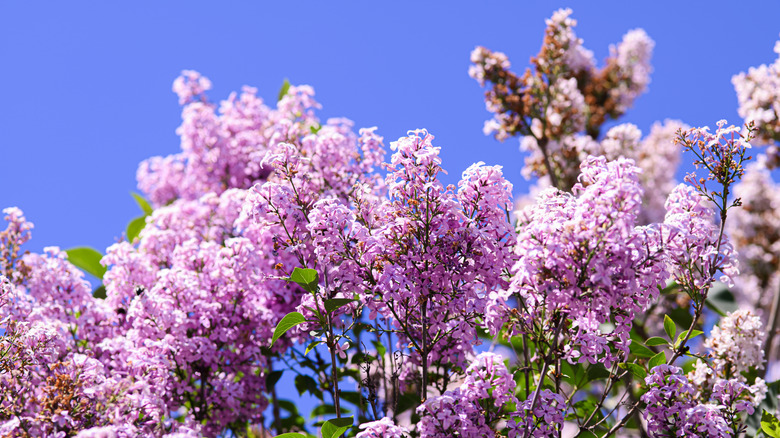
Before you start cultivating a sweet-smelling hummingbird buffet, you'll need to decide the right lilac for you. The common lilac that's so popular to hummingbirds does well in USDA zones 3 through 7, so you may need to opt for a different species of cultivar depending on where you're located. Luckily, the common lilac is only one of 21 different species, and it has hundreds of cultivars from which to choose. You should also avoid invasive lilacs that may spread beyond your gardens and containers, like the Japanese tree lilac (Syringa reticulata) in some regions. Although pretty, this plant can wreak havoc on your local ecosystem if it isn't native.
Lilacs are generally considered to be low-maintenance plants — perfect if you haven't cultivated your green thumb yet and need a beginner-friendly, fuss-free plant. However, well-draining soil is essential, as lilacs don't tolerate wet spots well. During your lilac's first growing season, you should provide regular water, while still avoiding overwatering. After this, though, they are fairly self-sufficient, with watering only needed during significant dry periods.
Because lilacs are so easy to take care of, you can spend less time tending your garden and more time watching the beautiful hummingbirds it invites. Lilacs aren't the only easy flower on a hummingbird's dinner plate, either. You can also encourage more hummingbirds to have lunch in your garden by using the right container garden combination. Or, if you're looking to make the most of a small area with no gardening space, you can opt for the right saucer-shaped feeder for hummingbirds.