

Gas Vs Electric: How To Determine Which Type Of Lawn Mowers And Tools Are Right For You

Whether you're shopping around for a new lawn mower or hedge shears, buying new landscaping equipment is a fun and exciting time. After all, what's better than treating yourself while also investing in your yard? However, one of the most common mistakes people make when buying a lawn mower or tool is choosing the wrong fuel source for their needs. Both gas and electric mowers and tools have their own pros and cons, and what's most important is finding the right equipment for you.
While there are some differences to pay attention to, there's also an abundance of similarities between these two fuel types. For example, whether you choose gas or electric, you'll often be able to enjoy a variety of lawn mower features such as adjustable heights and additional mulch bags. Both options also require maintenance to keep them running their best, although the type of maintenance and frequency varies between the two fuels.
When you're dealing with the average yard, both gas and electric equipment can complete the job. However, where they differ the most is in run time and cost — both upfront and over time. These factors are important to keep in mind, and they can help you determine what the best fuel for your lawn mower and tools are.
Gas versus electric: what's the difference?
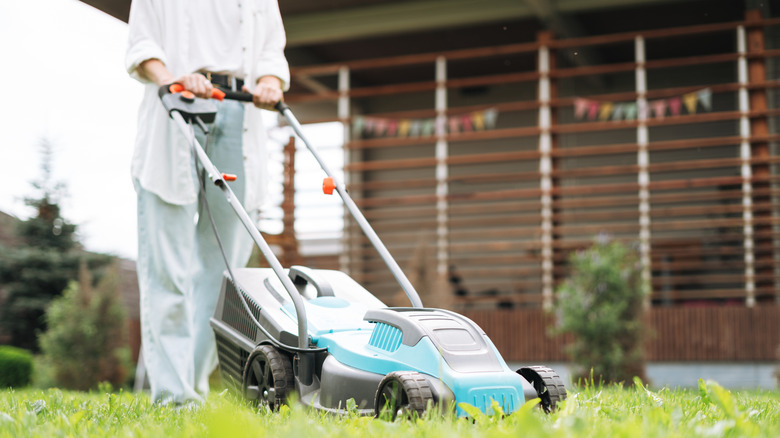
When it comes to lawn mowers and outdoor tools, gas is a popular choice. Run time with gas mowers varies, as it depends not only on the speed at which you're cutting grass but the grass itself. However, you'll find that most gas-powered lawn mowers have a longer run time than their electric counterparts. This is only the case for battery-operated electric lawn mowers, though, as corded lawn mowers and tools will run as long as they're plugged in. However, since you'll need to keep a steady supply of gas for these types of lawn mowers to run, the overall investment can be more costly than electric mowers, which tend to have fewer expenses after the initial purchase.
Electric mowers and tools are another reliable option, coming either as battery-powered or corded. If you're dealing with corded mowers, you'll have limited range compared to free-standing mowers like battery and gas since you'll need to be near an outlet. However, with corded equipment, you never need to worry about refilling gas or charging a battery. Battery-operated tools give you more freedom compared to corded tools, but their run times often fall behind that of gas-powered equipment. The average run time for most push electric mowers is 45 to 50 minutes. However, because charging your battery is as simple as walking into your garage and placing it on the charger, you're looking at lower costs over time for electric tools.
Deciding if gas or electric is right for you
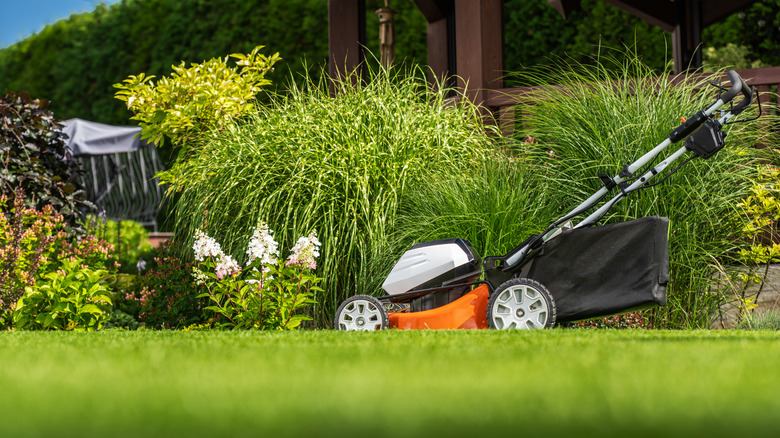
If you're noticing that it's time to replace your lawn mower or other powered tools, and are ready for an upgrade, both gas and electric tools are a solid choice. However, if you're not sure where to start, making the switch from gas-powered tools to electric can be a good decision, especially given its lower long-term costs.
The initial investment is the only significant cost associated with an electric mower, compared to gas which needs frequent refills. While you will find a shorter runtime, most electric mowers are capable of cutting around a quarter acre or more on a single charge. Plus, recharging battery-powered tools is easy: simply remove the battery from the tool or lawn mower and put it on charge. You can even purchase a second battery to have it ready to swap out and extend your run time.
However, if you're cutting several acres at a time, then you may want to stick with gas. Purchasing gas time after time can get costly, but if you're cutting two or three acres at once, then that cost may be better compared to stopping multiple times and waiting for a battery to charge. Ultimately, your needs and yard size will help determine if gas or electric is the way to go.