

Create An Eye-Catching Yard With A Low-Maintenance Grass Alternative
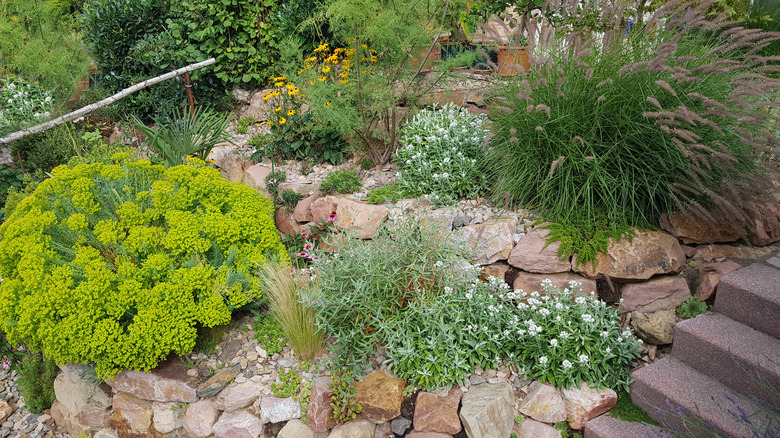
If you'd like to replace your lawn with a no-mow grass alternative, consider installing a plant-studded rock garden or a low-maintenance ground cover. Both can beautify your landscape while keeping your yardwork to-do list nice and short. Blue oat grass (Helictotrichon sempervirens) may be used in either of these ways, and caring for it is easy since it doesn't need much watering. Once it has adapted to your yard, it can even weather droughts. This eye-catching ornamental tolerates a number of other environmental challenges, too, from polluted air to the toxins secreted by black walnut trees.
Blue oat grass offers showy, light blue flowers each summer when grown in the climates of USDA hardiness zones 4 through 8. This plant tends to be prettiest when it's grown in somewhat dry soil, which enhances its colors. In other words, wait until all visible moisture has exited this plant's growing area before watering it. As fall approaches, the flowers adopt a wheat-like shade of gold. Meanwhile, the plant's spiky bluish foliage provides an attractive contrast to the rounded green leaves of other plants. Blue oat grass typically reaches a height and width of 2 to 3 feet, and it tends to grow in clumps. If you place these clumps close together, the plants will function as a ground cover, discouraging weed infestations and soil erosion.
How to care for your blue oat grass
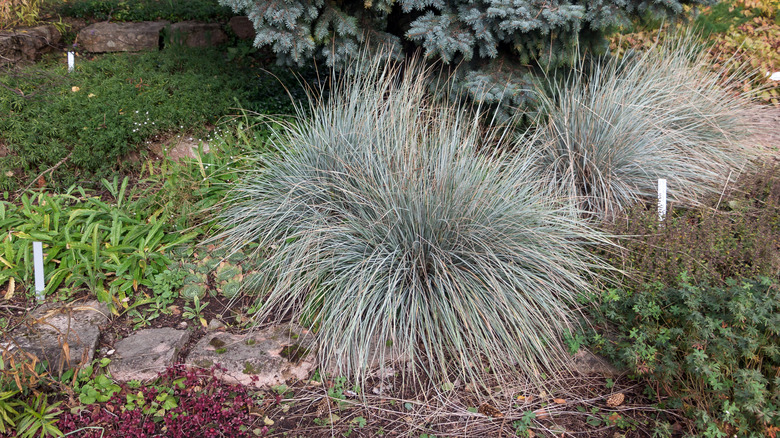
Blue oat grass is a tough and adaptable plant, but it still needs some love to thrive. It's happiest when it gets at least 6 hours of direct daily sunshine, though it will accept as little as 2 hours. It also demands soil that drains properly. If water drainage is an issue in your yard, amend the growing site's soil with compost. When blue oat grass is planted in ground that retains too much water, its roots may rot. If there's lots of moisture in the air where you live, monitor your blue oat grass for signs of rust. This fungal ailment causes orange spots and bumps on leaves. It can also make the plant's foliage fall off or look misshapen.
In cooler areas, blue oat grass loses some of its luster in the winter. When this happens, trim the plant down to a few inches from soil level. Doing so helps your blue oat grass awaken well rested in the spring. You should also remove dying foliage from this porcupine-shaped plant during warmer parts of the year. This way, the plant will direct more of its energy toward growth and flowering. If you're not growing blue oat grass in a rock garden, consider mulching around its base to keep its roots cool on hot days. To choose the best mulch for this plant, consider its soil's needs. An organic mulch such as tree bark will break down over time, adding nutrients to your soil and improving its structure. The healthier your soil is, the healthier your blue oat grass is likely to be.