

The Popular Landscaping Trend You May Want To Reconsider Trying In Your Backyard
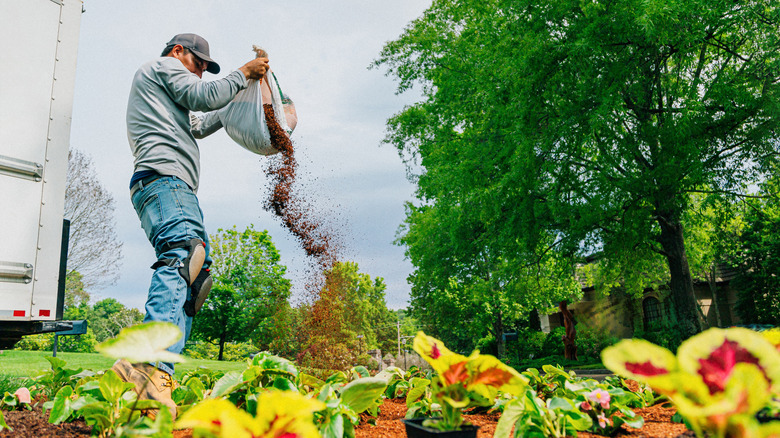
When it comes to design, there are so many options on how you can set up your backyard. One trend growing in popularity due to its easy-to-care-for design is something called hardscaping. Hardscaping is the process of using solid, immobile items in your garden or yard. Concrete, wood, stone, pavers, and bricks are all a form of hardscaping. In a way, it is an extreme type of landscaping, but one that is a little more permanent, and allows for less natural inclusions. The opposite form of landscaping is known as softscaping and involves living designs involving grasses, bushes, trees, flowers, and so on. It's a far more popular and traditional option, and for a good reason. However, softscaping can take a lot of time and effort, even with secrets only professional landscapers know at your disposal.
While the low maintenance and longevity of hardscaping may be ideal for you, it's not always the best idea. Landscaping is one of those outdoor updates that add serious value to your home – but only if done right. Before you start taking your landscaping to the next level with DIY paver projects, you need to evaluate if a hardscaped home is really what you want, if you're looking for an entirely hardscaped yard, or a blend of softscaping and hardscaping.
Outdoor Guide had an exclusive interview with the owner and principal of Vandeck Builders, Andrey Likhman, about hardscaping and the negative effects it has on a home, as well as ways to balance out the unnatural concrete and stone if you still decide to try it in your own yard. As Andrey says, "over-landscaping can definitely be a turnoff for potential buyers. While a well-designed yard adds value, too much can feel overwhelming, increase maintenance concerns, or clash with neighborhood aesthetics."
Tips on how to make your hardscaping look more attractive
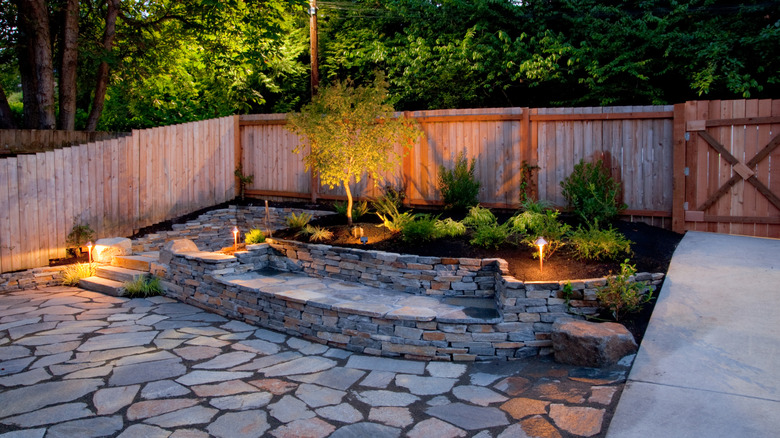
Thankfully, you don't have to eliminate hardscaping completely. The key is to find a balance. "Focus on a thoughtful mix of hardscaping and softscaping. Create distinct zones — for example, a seating area, a green space, and maybe a small water feature," Andrey says. "It's all about balance and creating a space that's both functional and visually appealing."
There are alternatives to hardscaping that still require little care and effort on your part, such as the stunning low-maintenance ground cover that'll flourish in your shady yard; plantain lilies. Choosing ground cover plants usually looks nice, keeps your backyard clean and cared for, and requires far less effort than a traditional lawn. Of course, if you want little maintenance and you enjoy the practicality and looks of a hardscaped space, there are ways to make the appearance a little more attractive and have it blend in better with the outdoors. One is by adding living or faux-living aspects to your yard. "Soften concrete designs by integrating natural elements — think wood accents, lush plantings, or decorative gravel," Andrey mentions. He also brings up the fact that textures can make a world of a difference, "Adding texture through stamped concrete or using warm-toned finishes can also make the space feel more inviting."
Of course, this really only matters for those who are thinking of selling their property in the future. If you want this to be your forever home, then there is no harm in designing your space exactly how you want it to look. The main concerns are if you're looking to only stay in the home for a little while, as hardscaping can turn off many potential buyers who are looking for an outdoor space with more potential.