

The Fast-Growing Grass That's Perfect For Your Weed-Prone Lawn
We may receive a commission on purchases made from links.
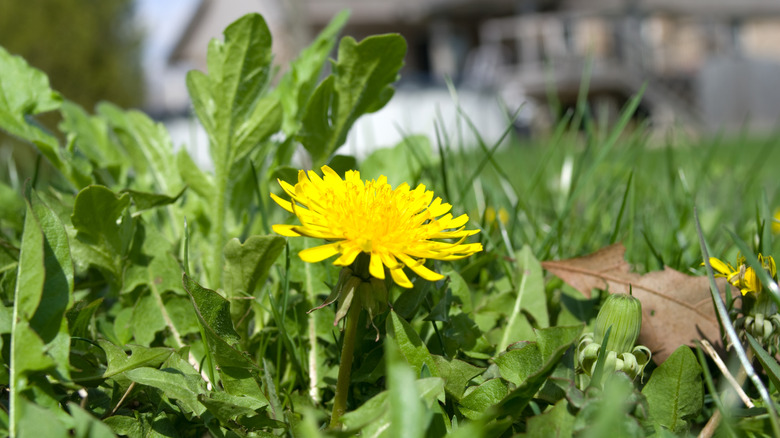
Weeds are a common problem in lawns across the country. While proper maintenance can keep weeds in check in most yards, some lawns are seemingly more weed-prone than others. If you've tried almost everything, including different mowing techniques to control weeds but still find yourself in an uphill battle against undesirable vegetation, you may want to consider choosing a different type of grass for your yard. Perennial ryegrass is fast-growing and perfect for weed-prone lawns.
Perennial ryegrass is renowned for its quick growth. Typically, perennial ryegrass will germinate and sprout in a matter of days. Within two weeks, the grass has usually become tentatively established. This rapid growth rate outpaces the vast majority of weeds, which means the fast-growing grass will deprive weeds of nutrients they need to grow. Additionally, perennial ryegrass, like other ryegrasses, tends to grow in a very dense manner. This thick blanket of grass covering the soil prevents weeds from finding a place to emerge and makes perennial ryegrass an ideal chemical-free choice for weed suppression.
Using perennial ryegrass to control weeds in your lawn
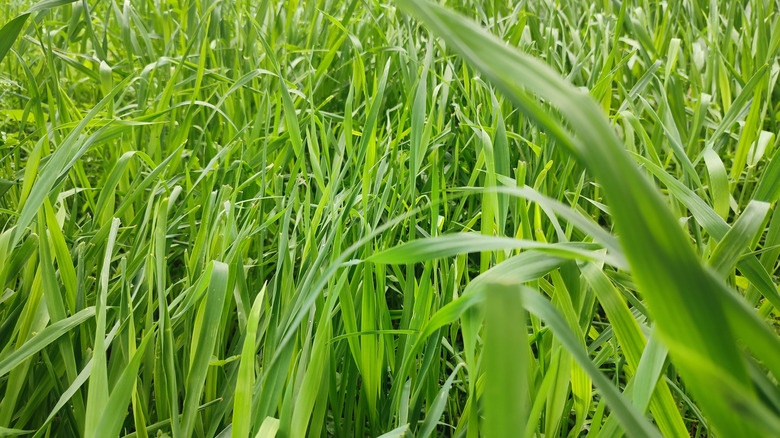
Perennial ryegrass thrives as a primary turf grass in climate zones 5-7. In this area, a lawn with well-maintained covering of perennial ryegrass will typically prevent weeds from emerging. Lawn care for cool-weather grass such as perennial ryegrass, involves adequate water, particularly during the summer months. This means one or two watering sessions per week to deliver a total of about 1-1.5-inches of water. Regular mowing, following the one-third rule, is also necessary. Perennial ryegrass should be kept at a height of 1.5 to 2.5 inches. While a lush, healthy lawn will keep weeds suppressed, not properly maintaining your lawn, mowing the grass too short, or not watering correctly can allow weeds to sprout.
While perennial ryegrass is best suited for northern portion of the US, it also has use in the south. It can be used as a winter lawn in southern regions, overseeding other turf to make sure there is a thick, lush lawn throughout the cold weather period. Throughout the year, it can also be used to fill bare patches. While the perennial rye may not be a permanent solution for bare areas, its quick growth will provide coverage and keep weeds at bay until your warm-weather turf grass can spread.
To plant perennial ryegrass in your lawn, secure an adequate amount of seeds, such as Scotts Turf Builder Perennial Ryegrass Mix. You will need around a pound per 100 square feet if you are seeding a new lawn. About a third of that will be adequate for overseeding. If repairing bare spots in the Southern United States, consider a seed mix like Scotts EZ Seed Patch and Repair, which combines the fast-growing perennial rye with centipede grass, a slower growing warm-weather grass that will eventually fill the bare spot permanently.