

Rising Water Temperatures Are Impacting Fishing. Here's How Anglers Can Adapt & Help
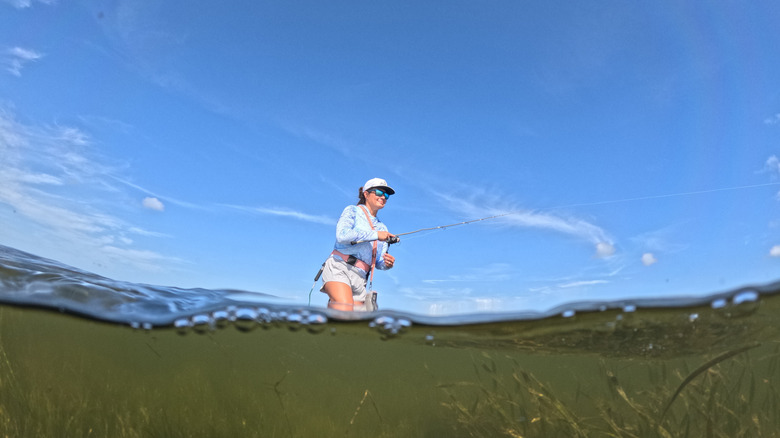
Despite modern conveniences such as air conditioning and refrigeration, over a thousand Americans die from extreme heat each year. This extreme heat also affects fish, which can die when waters get too hot, especially as average summer temperatures have risen significantly over the past decade. Last week, Yellowstone National Park announced full fishing closures in several parts of the park as dead trout were found, according to abc4.com, while several state Game and Fish departments keep an ongoing list of lake and river fishing closures due to extreme heat. Anglers who plan to fish during the peak heat of summer need to adjust their tactics and be aware of changes and modifications to fishing regulations.
This may come as a surprise given that fish live in the same waters humans use to cool down. However, every species, including fish, has a temperature tolerance range. To make it more complicated, each species of fresh and saltwater fish has unique temperature tolerances. Should the water temperature remain above or below that range for an extended period of time, that alone can prove fatal to fish. Unfortunately, high heat also spawns a number of other issues that can increase gamefish mortality.
One dangerous side effect is low oxygen levels, as hot water contains less dissolved oxygen than cooler water. This makes breathing difficult. It also makes recovering from physical activity much harder. Even without activity, the stress caused by the high heat increases a fish's metabolic rate, meaning they actually demand more oxygen at a time when there is less of it. Rising water temperatures can also cause an increase in both algae blooms and ammonia levels. Each of these issues can be exacerbated by low water levels, which often happens during times of drought.
Unique challenges and tactics when fishing in hot weather
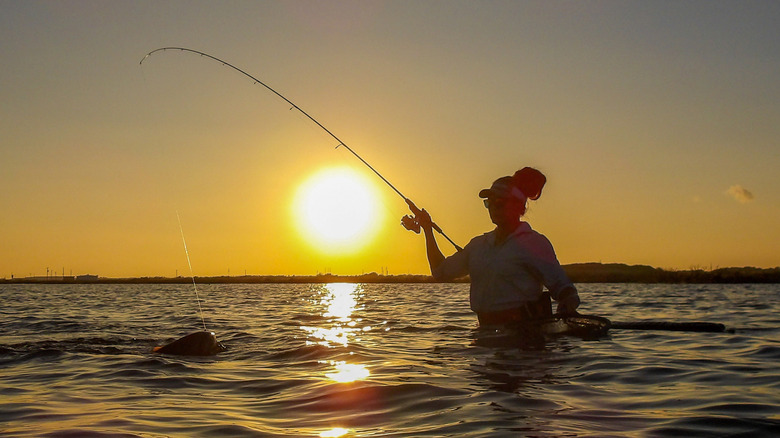
High heat during summer months not only impacts fish mortality rates, it affects how they behave. As a result, anglers need to adjust when, where, and how they fish. Like people, fish try to keep cool as the heat rises. As a result, they often seek cooler water. Depending on the region and type of water body, this could mean moving to higher elevations, nearer to the headwaters of a river or stream, or closer to natural springs.
Some generalities for finding cooler water apply to all water bodies. Deeper water will remain cooler, as will shaded areas. So, for example, if you are looking for the best spots to fish in a pond during summer, try shaded areas under trees or the deeper waters by a dam. Moving water is also cooler than still water and holds more oxygen. In rivers and streams, try finding pools near swiftly flowing runs. In lakes, look for areas where rivers or streams enter. For inshore saltwater anglers, the portions of bays and estuaries near passes will experience more tidal flow and movement, and remain cooler. Finally, around sunrise and sunset are the best times of day to fish during the summer, as waters tends to be cooler.
Anglers should also be aware of any regulation changes related to extreme heat. At times, heat-related fish kills — or the possibility of one — can prompt emergency closures. In some instances, fishery managers may try to stave off a catastrophic event by encouraging anglers to retain fish they catch, including doing away with length and bag limits. In June, 2026, the town of Timnath, Colorado made such a move because of dangerously low waters behind the Timnath Reservoir, according to CBS News.
The ethics of hot water fishing
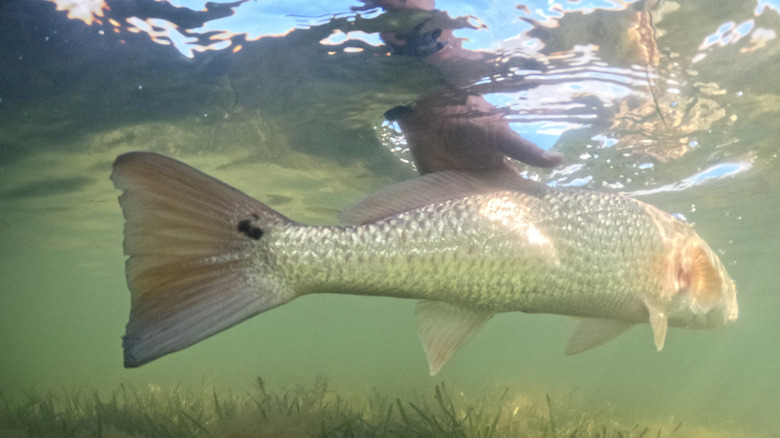
There are a couple of ethical issues that come into play when fishing in hot water during the summer. For starters, it is critical to use appropriate gear so fish can be landed expeditiously. While it is common for both fly and conventional tackle anglers to use light setups to increase the challenge, summer is not the time to extend the battle. During summer, it's best to land fish as quickly as possible, as the added stress this causes an already stressed fish in a low oxygen environment can quickly prove lethal.
When the fish is landed, it is also vitally important to properly handle and release fish once they're caught. During the release process, keep the fish in the water as much as possible. While this is always a good idea when handling fish to be released, it is of utmost importance during summer. Exposure to the hot summer air not only raises the fish's body temperature, but also quickly dries its skin and protective coating. Take as much time as necessary to revive fish (reacclimate them to breathing in water) — given the lower oxygen levels in warm water, this could take longer than usual.
Unfortunately, using the proper gear, landing fish quickly, and following proper release protocol does not guarantee fish caught in extreme heat will survive. This is one reason fishery managers at times may temporarily restrict fishing in certain sections of water. Even without official closures, anglers are often encouraged to avoid fishing for certain species or trophy-sized fish, which are more susceptible to succumbing to stress under hot conditions. Additionally, those anglers who are not willing to keep fish that die before they can be released should refrain from fishing during times of extreme heat.