

The Best Season To Apply Nitrogen-Rich Fertilizer
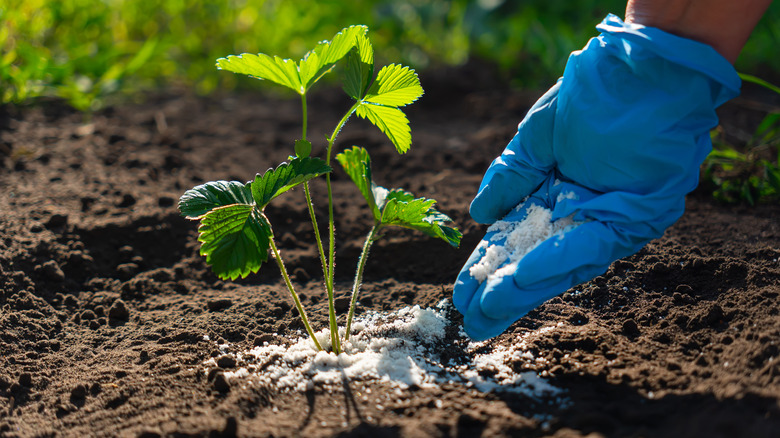
When it comes to caring for your lawn and garden, applying fertilizer is a key step. However, fertilizing at the wrong time can actually do more harm than good. Therefore, it is important to know when is the best time to apply fertilizer. This is particularly important when it comes to nitrogen-rich fertilizer, where overuse or improper use can result in plant burn, lack of fruit production, or even dead plants. However, there is no singular answer. Turns out, the best season to apply nitrogen-rich fertilizer really depends on the type of plants you're fertilizing.
Nitrogen is a key component for many fertilizers because it helps most plants with photosynthesis, nutrient absorption, and growth. With that in mind, spring (especially early spring) is the best season for applying nitrogen-rich fertilizer in most instances. For edible crops, it is best to add nitrogen-rich fertilizer to the soil before you do your spring planting. However, keep in mind that you should not use nitrogen for carrots and certain other crops, as it promotes foliage growth at the expense of fruit and vegetable production. So, don't add nitrogen-rich fertilizer to the areas of your garden where root crops such as carrots, garlic, or turnips will be grown. Ditto for beans, peas, or lupines, as these are "soil fixer" crops that actually add nitrogen to the soil.
When it comes to perennial plants, shrubs, and bushes, nitrogen-rich fertilizer should be applied during spring, just as they are emerging from a dormant state, and before leaves unfurl. This will give them a boost to help kick start their seasonal growth.
Other times to apply nitrogen-rich fertilizer
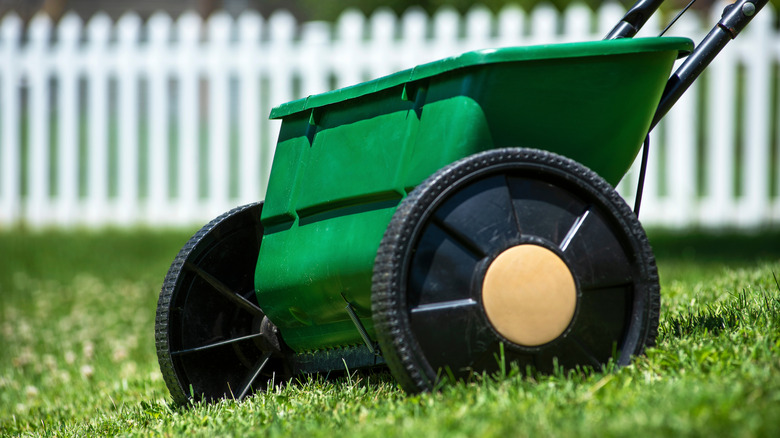
While spring is typically the best season to apply nitrogen-rich fertilizer, there are other times you may need to use it as well. One would be if you notice your garden soil is lacking nitrogen. This may be detected by seeing plants exhibiting symptoms such as slow growth or from doing a soil test. In this instance, you can revitalize your garden with an NPK fertilizer. Even in a healthy soil environment, some heavy-feeding crops such as leafy vegetables, benefit from a second application of nitrogen during their growing period to ensure the fill out properly.
Additionally, apply nitrogen to the soil before planting fall crops such as cabbage, broccoli, cauliflower, and certain greens like mustard and collard. Those crops should then get a second dose about a month after planting to boost energy and ensure a good harvest.
Fall is also the best season for applying nitrogen to cool season lawn grasses such as bluegrass and fescue. Warm season grasses like centipede and Bermuda, however, should be treated with a nitrogen-rich fertilizer in late spring or early summer. Applying nitrogen too early in spring can cause these types of grasses to produce new shoots as opposed to establishing a solid root structure.