

The Best Way To Prevent A Blister While Hiking
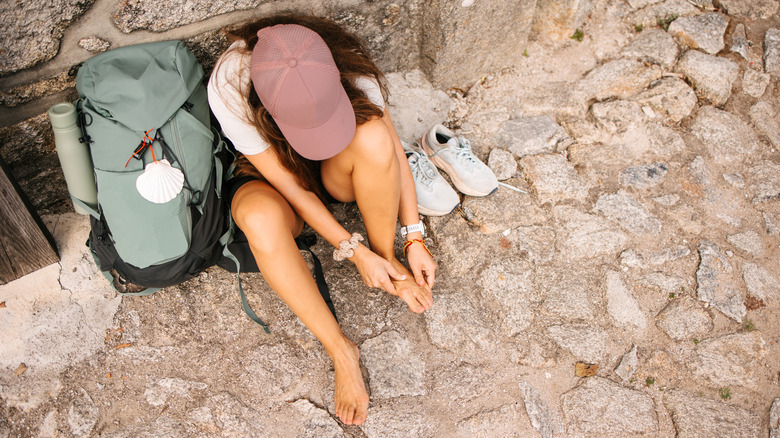
Virtually nothing can derail a hike faster than a blister. To that end, being unprepared to treat blisters while on the trail is a hiking mistake to avoid. Prompt treatment of blisters can get you back on your feet and (hopefully) able to complete the hike without too much suffering. Being prepared to treat blisters while hiking is important, but avoiding them in the first place is even better. While there are a few different tactics that can help, the absolute best way to prevent a blister while hiking is to wear the right socks.
Blisters are caused by three things: pressure or friction, heat, and dampness. So, having great-fitting, breathable boots or shoes that have been broken in is obviously necessary. However, even the best footwear can cause a blister if you don't have the right layer between your skin and boots. That's where the right socks come in clutch. The key word here is "right": The wrong socks not only do little to prevent blisters, they can actually contribute to causing them by trapping moisture, creating more friction due to slipping, or building pressure due to bunching.
Choose the right socks for hiking — and bring extras
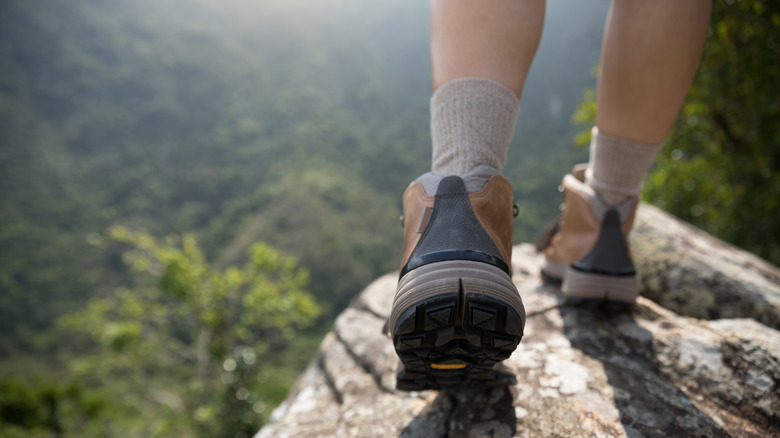
The first thing to know is that not all socks are the same, nor equally well suited for every situation, especially when it comes to hiking socks. Picking the right sock has a lot to do with your body structure, weight, and hiking style, in addition to the terrain you are covering. However, there are some universal truisms to keep in mind. The goal is to find socks that fit well and reduce rubbing, vent heat, and wick moisture away from your body. With that in mind, never wear cotton socks when hiking. This is because cotton can actually soak up sweat, resulting in constantly wet feet and additional slippage. When it comes to hiking, wool and synthetic socks are far superior. Many hikers swear by merino wool in particular for its comfort, durability, and structure.
Besides picking the right materials, it is essential the socks fit correctly. A good, snug fit help keeps socks in place and lay flat against your foot. If they are too big, excess material can bunch, causing pressure points and slippage. Conversely, socks that are too small will increase slippage and friction, or slip down off your heel entirely while you're hiking. Depending on the weather and fit of your hiking shoes, you may choose to wear two pairs of socks when hiking, increasing the wicking action. Finally, pick socks that are the proper height. They should extend beyond the top of your shoe or boot to prevent your skin rubbing against the cuffs of your footwear.
Once you've settled on the perfect socks, throw an extra pair in your pack. Changing them throughout longer hikes — or if you get wet — can help keep feet dry and prevent blisters.