

If You Have A Small Yard, It May Be Time To Hop On This Popular Garden Trend
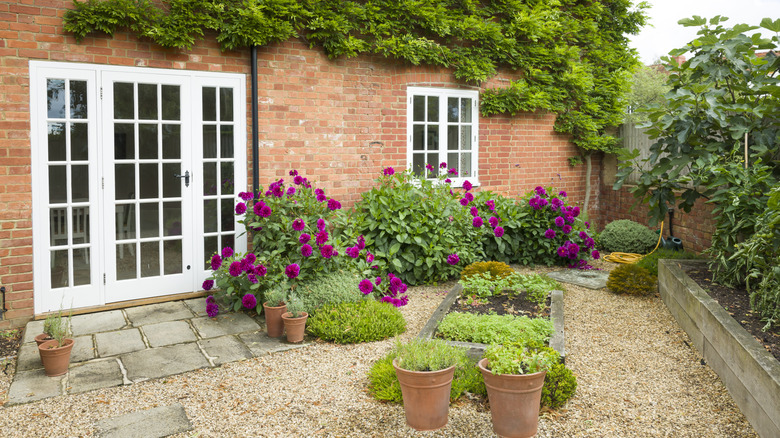
Dreaming of a sprawling garden when you have a small space can be frustrating. There are tricks to make a small yard look bigger, but that doesn't mean there's actually more room for plants. Luckily, you can grow more plants in less space with the popular micro gardening trend. The term was coined in 2007 by Anne Gibson, but in the years since its inception the trend has taken off. There's a good reason for this too: According to a U.S. Census Bureau study, the median lot size for American homes dropped by 10,000 square feet between 1992 and 2019, and continues today. More than 60% of American home owners now live on what's defined as smaller lots.
Micro gardening is exactly what it sounds like — the practice of growing plants in a limited space. While this can look different for different gardeners, the general idea is that micro gardens should be easy to care for, have a variety of plants, and be sustainable. It works by turning an area like a raised garden or container into a miniature ecosystem, letting nature do most of the work. They're perfect for small yards, but you can also create one on a balcony or patio.
While you can use the principles of micro gardening to fill your yard with flowers, the most common application is for growing food. Micro gardening allows people to have an edible garden without using much space, soil, or resources. In fact, a study by the Food and Agriculture Association found that a single square-meter garden can potentially produce 200 tomatoes a year and 100 onions in four months — that's a lot of veggies!
How to start your own micro garden
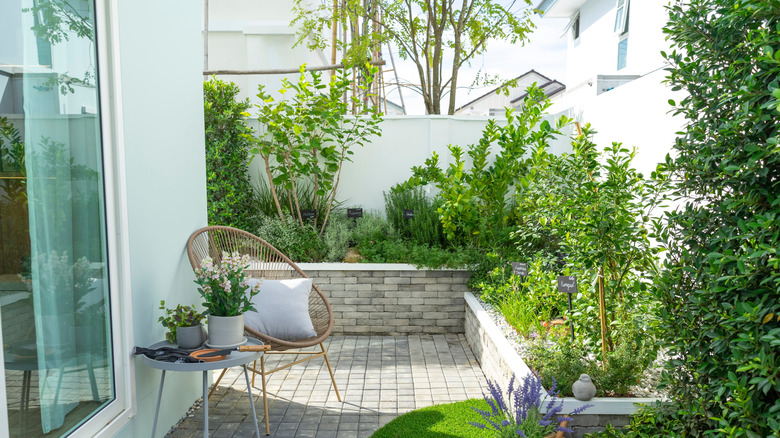
Start by choosing your location and plants. You can plant your micro garden directly in your yard, or use containers or raised gardens to make the most of the space. Plenty of gardeners also use DIY planters made from old tires, pallets, or other materials. If you're up to the task, consider making a DIY vegetable growing table for your micro garden.
Greens like spinach, lettuce, and cabbage are great choices, as they don't take up much room and can grow in full sun to partial shade. Vines like peas and strawberries can be grown in less space through the use of trellises, and there are even fruit trees you can grow in containers. If you think your favorite plant is too large for your space, look for mini or dwarf varieties. Micro gardens lend themselves well for diverse, multi-level planting: Using tiered or stackable planters, plant sun-loving greens on top, herbs or flowers in the middle, and small root vegetables — like carrots or radishes — on the bottom.
Soil health is also extremely important, since you'll probably be using potting soil or garden soil in restricted areas and containers. Rich soil full of organic matter, microbes, and even beneficial insects will support more plants than sterile potting soil, but regular fertilizing and careful watering is crucial.