

How Much Hiking The AT Really Costs In 2026
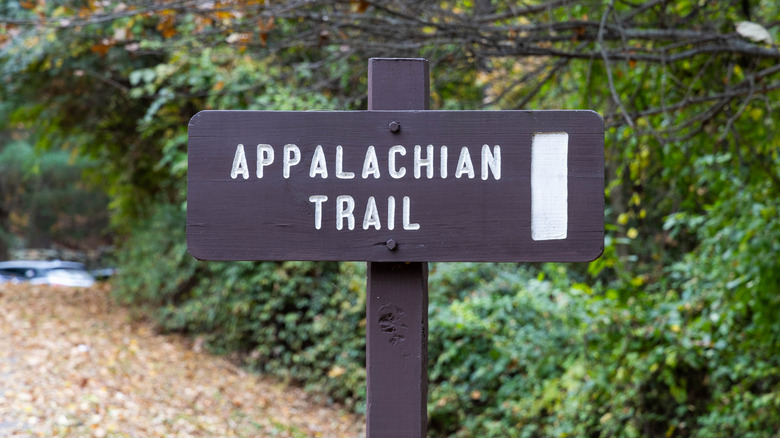
The Appalachian Trail (AT) is the OG of American thru-hikes, rich in history, biodiversity and rolling vistas that draw ambitious hikers seeking a physical and mental challenge. For 2026, we estimate that the average AT thru-hiker will spend about $3.70 per mile. This is up from an accepted rough estimate of $2 per mile — or even less, if you were super minimalist — about a decade ago. We calculated the 2026 spend based on a 2024 AT thru-hiker survey from Trek and a 2025 estimate from Appalachian Trail Travel Guide, penciling in bumps for inflation, the uptick from tariffs affecting backpacking gear, and rising food and lodging costs. The AT is about 2,190 miles, so a safe middle-of-the-road budget would run upwards of $8,100. It takes roughly 5 to 6 months to hike the "long green tunnel" from Georgia to Maine, so budgeting is critical to cover an extended, unpaid vacation, unexpected snafus, and side quests.
Recent surveys by Trek show that most Appalachian Trail hikers now spend between $1,000 and $3,000 on gear, which might sound like a lot, but lightweight trail running shoes are only good for about 300-500 miles. That's about 4 pairs of shoes for the whole trek. Altogether, the most commonly reported total spending in 2024 was $10,500, which means 2026 spending will be higher.
Every hiker has a different budget, depending on how much you saved up, your hiking pace, how frugal you are in town, and how dialed in your gear is already. For every thru-hiker however, the biggest potential for a budget blowup is time spent in town. The shift from remote lean-tos and tent-living to cozy accommodations, fresh food, and restaurant yumminess is hard to resist after days of travel on foot.
Ways AT budgets go off the rails and how to reel in spending

Unlike other American thru-hikes, the AT has shorter spans between resupplies (roughly 4-7 days), which is convenient but can also become a spending trap. A town stop might include a hostel or hotel, shower, laundry, and at least one big restaurant meal. During my own thru-hike, I easily spent over $100 in town on indulgences like smoothies, pizza, beer, a hotel room, and a bus ride during a single resupply. It's also important to budget for unplanned zero-days in town to heal from overuse injuries or to wait out storms in the Smokies or the Whites. One way to help stay on the trail and on track is to know how to train and condition before any long trail hike.
It's hard to believe how much you'll be able to eat once the phenomenon of Hiker Hunger kicks into full force. Depending on your build, pack weight, and metabolism, expect to burn between 3,000 to 6,000 calories a day. Many AT hikers try to keep total food costs averaging out to $5-20 per day, but frequent town stops, convenience-store markups, and last‑minute buys at tiny outfitters can push that higher. You can also save a good amount of cheddar by building meals around bulk dry staples instead of relying on prepackaged, commercially dehydrated dinners that are two to three times the cost of a DIY equivalent. Newbie backpackers often start with heavier kits and go overboard with luxury items or "just in case" gear, so it pays to choose the right backpack from the start and go on some test trips before hitting the AT, to make sure you will like your setup all the way from from Springer, Georgia to Katadin, Maine.