

A Low-Maintenance Flowering Plant That's Beloved By Beneficial Pollinators
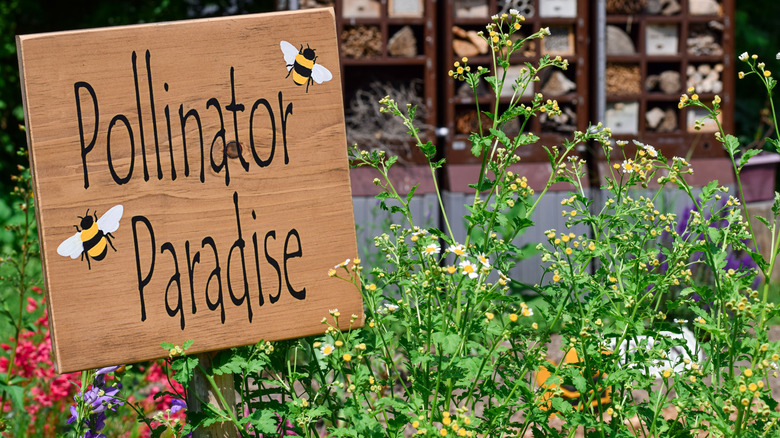
If you want to help the pollinators in your area there are many things you can do, including providing food sources, water, and shelter to make all the bees come buzzing to your garden. Another important step is making your garden a safe space, protecting pollinators by choosing non-toxic pesticides. But the real key is planting a variety of different flowers that are appealing to pollinators, providing them with valuable nectar and pollen. One low-maintenance flowering plant that butterflies and other pollinators love is the Maryland senna (Senna marilandica). Maryland senna is a perennial that grows throughout the northeast, midwest, and southeast regions of the country where it thrives in USDA Hardiness zones 5 through 10. It is often seen in wild meadows, roadsides, glades and other areas with moist soil.
An interesting fact about Maryland senna is that unlike most flowers, the nectar in this plant is not in the flowers themselves. Instead, nectar is found at the base of each tiny leaf where a gland produces nectar for beneficial insects such as ladybugs, ants, and parasitic wasps, among others. In July and August, bright yellow flowers bloom providing hummingbirds, butterflies, and bees with beneficial pollen. Each fuzzy, pale green stem also bears 10 to 20 tiny leaflets that caterpillars love munching on, so these plants play host to an entire ecosystem.
How to care for your Maryland senna plants
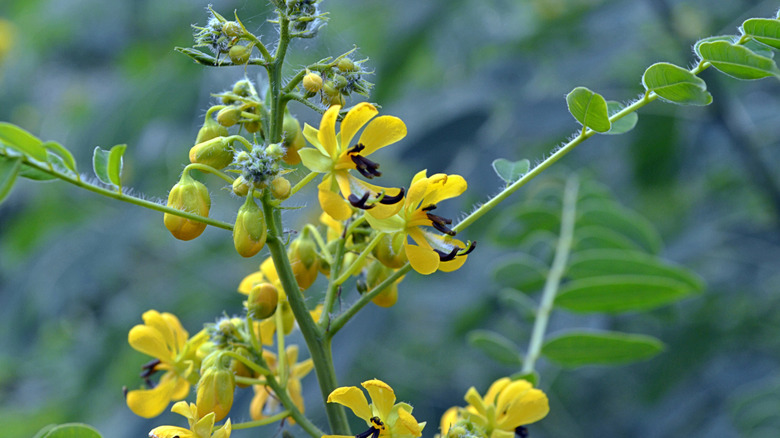
Maryland senna is a low-maintenance plant, making it a nice fuss-free plant great for gardening beginners and others without a lot of extra time for needier plants. Maryland senna grows to a height of 3 to 6 feet with a similar spread, making it a nice choice to plant with other, shorter flowers for a layered look that gives the pollinators a lot of choices at meal time. Once established there isn't a whole lot to do to care for this pollinator-friendly plant. Find spots in the garden that provide full sun, at least six hours per day, and medium moisture-rich soil made up of sand or clay. As long as the soil is well-draining, Maryland senna can grow in a variety of different soils.
While Maryland senna is getting established, it is important to water it sufficiently — especially during dry periods. Keeping it watered properly will improve the blooms, which in turn provide more for the pollinators to feast on. Pruning is not necessary but if you notice it becoming leggy, you can promote bushier growth with light pruning of its stems.