

Why You Should Avoid Using Mesh Garden Netting And What To Use Instead
We may receive a commission on purchases made from links.
Gardening has its ups and downs, and pests are among the most frustrating challenges gardeners face. Some days feel like a constant battle, with weeds, pests, and bad weather lurking around every corner. After all your hard work, it's only natural to look for ways to protect your plants and crops. Unfortunately, some shortcuts aren't as helpful as they seem, and using mesh garden netting is one of the worst, as it can create more problems than it solves.
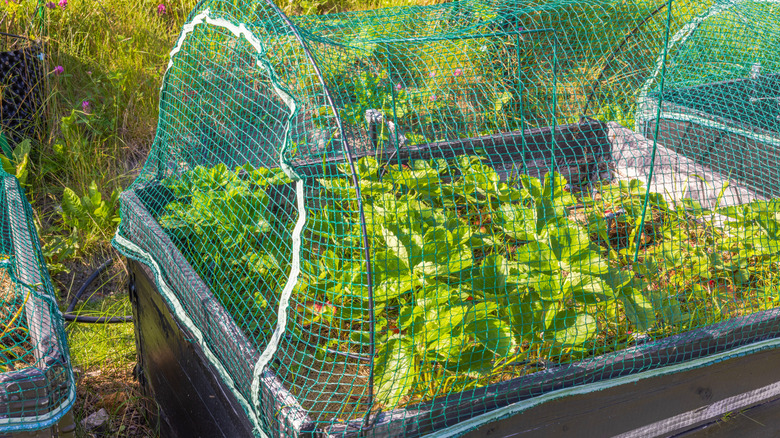
Whether you use bird netting or fine mesh netting, both come with significant drawbacks in the garden. Mesh garden netting contributes to the growing plastic pollution crisis, and it has even been banned in some parts of the world due to the injuries it can cause to small animals and birds. Even if robins or squirrels raid your strawberries, most gardeners still care deeply about wildlife and would be horrified to see them harmed or killed by entanglement.
A significant downside of using mesh netting to protect your garden is that it doesn't discriminate against specific insects. It keeps them all out, blocking beneficial pollinators, which can lead to poor fruit set and reduced yields. Even plants that don't need insects to pollinate will produce less because of the reduced air flow that fine mesh netting causes. Without sufficient airflow, mold and mildew can also develop.
Simple tips and tricks to use instead of mesh gardening netting
There's a common adage that says, "If nothing is eating your plants, your garden isn't part of the ecosystem." While you may be at the top of the food chain in your garden's ecosystem, you're still just one of the many consumers within it. Combining mindful gardening with simple strategies helps protect your harvest while maintaining ecological balance.
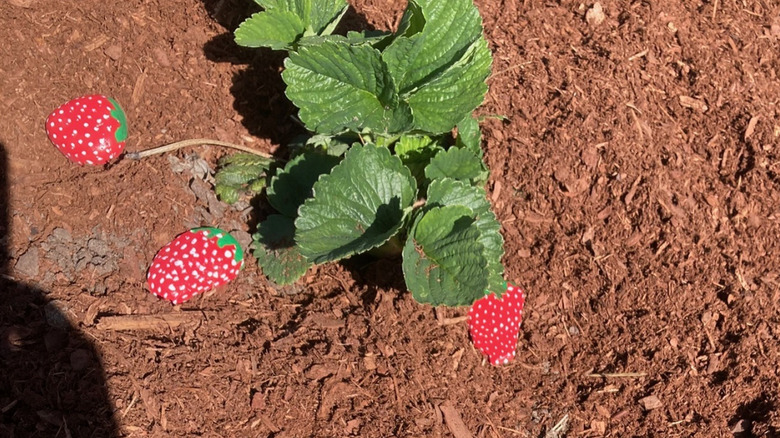
One clever tip is to use rocks that are painted like strawberries to trick birds into leaving the real ones alone. Place the decoys early — before fruit sets — to teach birds that the red shapes in your strawberry patch aren't edible. Another idea is to use companion planting to repel pests from your garden naturally. Whether you use companion planting to attract beneficial pollinators, repel pests, or as a trap crop, modern research has confirmed the effectiveness of this ancient technique. Not only does companion planting increase yields without the use of chemicals, but it also transforms your garden into a stunning part of your landscape.
From classic gardener woes like keeping pests away to avoiding major watering mistakes, it's no wonder that gardeners often look for shortcuts to make life easier. If you need to protect your garden beds from small animals, Seboss hardware cloth with ¼-inch openings provides airflow and lets small pollinators through while blocking larger pests like deer, squirrels, snakes, and birds.