

What Is Cool Pavement And Does It Really Help Fight Against Hot Weather?
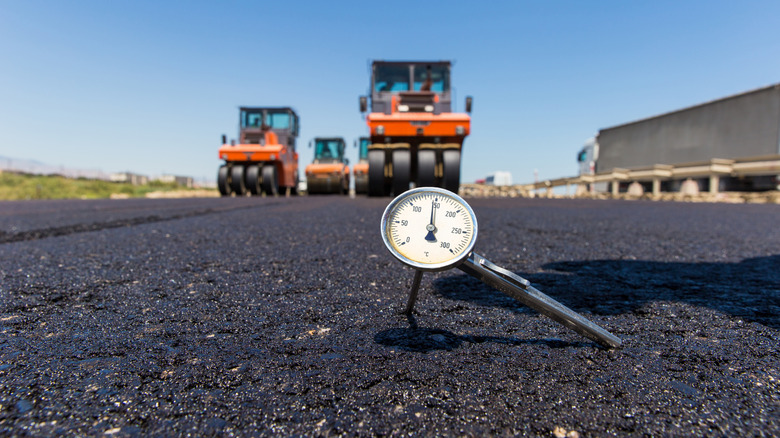
Even if you live in a big city, going outside and enjoying nature is an important part of daily life. That bike ride on a local trail or a walk in the park with your dog are perfect ways to physically and mentally reset in a busy world. On hot days, however, it can be hard to find relief from city heat, even in a shady park. This is because all the streets, parking lots, and sidewalks of cities and neighborhoods create something called "urban heat islands," where the ubiquitous hardscaping of concrete and asphalt traps heat, then releases it back out, even overnight. This results in developed areas being significantly warmer than surrounding rural or natural areas.
City planners and engineers are exploring new ways to bring down city temperatures by using "cool pavement" materials on your favorite urban trails and roadways, and you can apply these efforts in your own yard, as well.
The idea behind cool pavement is that it won't absorb as much heat as traditional asphalt and concrete. The urban heat island effect strains cooling systems, traps pollutants in the air, and negatively affects water quality. Since dark surfaces absorb the most heat, cool pavements are generally lighter in color, or painted with a chemical or bound with a resin that will reflect more of the sun's rays. Other types of cool pavements are permeable, meaning they have spaces and voids into which water and air can flow, making the pavement cooler and benefitting the surrounding air temperature. While the concept works on the large scale, both your yard and community may also benefit by converting sidewalks and driveways using cool pavement technology.
Using cool pavement in cities and your own backyard
A project by Arizona State University compared the asphalt surfaces of roadways in Phoenix to areas painted with a cooling solar-reflective coating. As one might expect, they found the treated pavement to be cooler throughout the day and night. The difference wasn't huge, but it was significant enough that the City of Phoenix continues to invest in cool pavement throughout urban areas. Cities like Davis, California and Boston, Massachusetts have been using cool pavement treatments to reduce the absorption of solar radiation by their streets and parking lots. These and other cities are betting that this investment in cool pavement will have big payoffs in reducing pollution and energy costs.
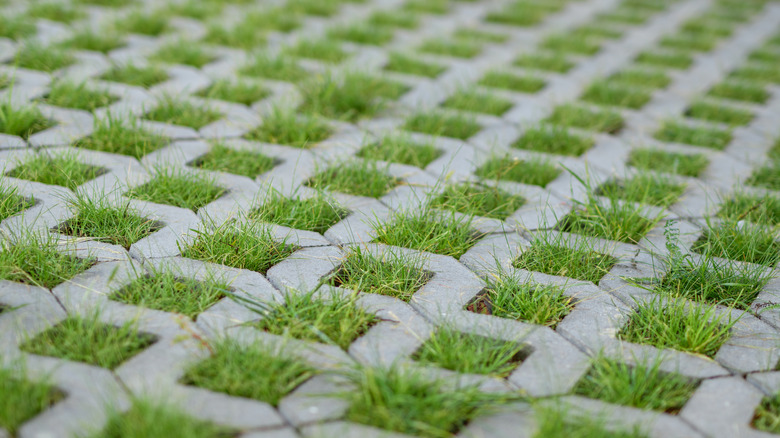
In your own yard, you can contribute to bringing down neighborhood temperatures when selecting a patio material or paving a driveway. Avoid traditional asphalt, which absorbs the most heat, in favor of a light concrete, which will reflect more heat. Consider using permeable or porous pavement, or light-colored lattice-style pavers that have spaces where cooling grass or groundcover can grow.
If you already have a large asphalt driveway you wish to cool down, apply a thin seal of concrete "whitetopping" to bring down the heat. Resealing or repaving a driveway is an outdoor renovation you shouldn't do yourself, so make sure to call a professional. Alternatively, instead of doing any paving, you could consider a natural ground cover suited to your climate that will help keep your yard cool even on hot days.