

Don't Throw Out An Old Rake – Turn It Into A Unique Feeder Birds Will Love
We may receive a commission on purchases made from links.
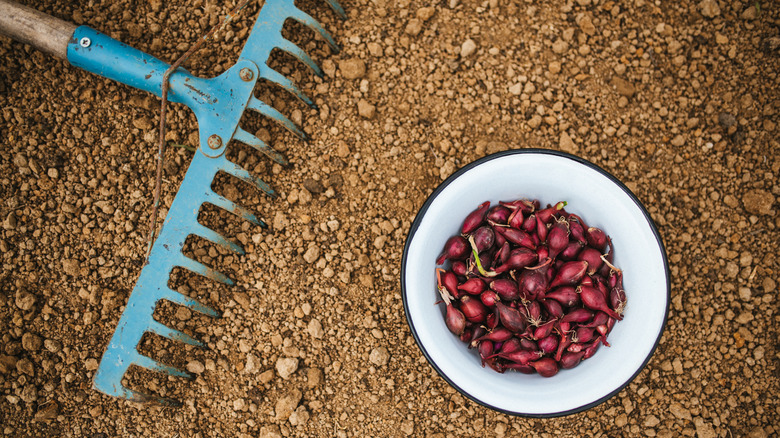
When the handle on your garden or bow rake breaks, it may be tempting to throw out the metal portion, especially if it, too, has seen better days. Even if that old rake is no longer useful in the garden, it has plenty of life left in it for a completely new purpose: Feeding the birds. This isn't just any bird feeder; it's certainly not the traditional type that will hold seeds, suet, or meal worms. This DIY rake-based bird feeder offers a unique way to hold oranges for citrus-loving birds, such as the colorful favorite, the oriole. In fact, sharing oranges in spring through fall could even attract more songbirds to your yard.
While you could just slice the oranges in half and set them on a table or in a saucer, pushing them onto the tines of a suspended rake head helps keep the oranges in one place so it's easier for birds to access them. It also keeps them away from ants, mice, and curious pets. Done this way, the rake design is not unlike store-bought versions, like the Erva three-prong fruit feeder, that feature several spikes for holding apples, oranges, or grapes in place. When you're ready to set up your feeder, the rake head can be easily mounted to a sturdy surface such as a post, the side of a shed, or even a tree trunk.
Attracting birds with a rake-based fruit feeder
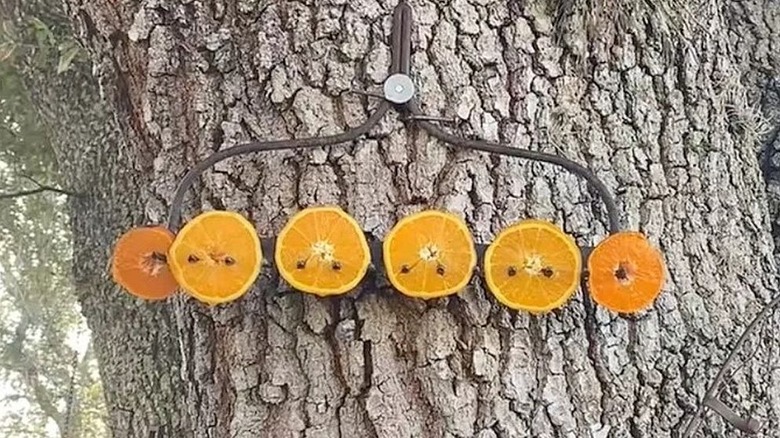
You will need to remove the metal rake head from the handle to make your bird feeder. If you don't have a metal bow or garden rake, you may be able to find one at a thrift store or your local Buy Nothing group. While you could use a different rake design or even a pitchfork head to make your fruit feeder, the bow rake design works well because of the way the tines are angled away from where it will be mounted, preventing the fruit from falling.
Mount the rake head to a post, tree, or similar structure using a bolt, nails, or even a ratchet strap if you don't want to create holes. The former handle end of the rake head should face up, with the tines facing straight out from the support. Then simply push orange halves onto the tines so the sliced, open ends face out. You can also use this feeder for apples, pears, or other large, sturdy fruit that can be pierced.
If you live in an area where orioles, tanagers and the like migrate, the best time to start feeding them is during spring migration. Other birds that may stop in for a fruity treat are catbirds, mockingbirds, rose-breasted grosbeaks, some woodpecker species, and cardinals. Orioles, in particular, are attracted to orange, so place the feeder in an area where it will be visible to birds flying overhead. The color attracts hummingbirds, too, even if they don't eat or drink the offering; they might stick around and explore your yard. If you want to take it a step further, make this unique apple feeder for a fun way to use overripe or heavily bruised fruit.