

Be Sure To Prune This Eye-Catching Tree During Winter For Thriving Spring Blooms
We may receive a commission on purchases made from links.
Native to the region that once formed the Persian Empire, today quince is grown in subtropical regions throughout the world, including in the United States. The vast majority of quince trees grown in the U.S. are along the west coast, particularly California, although it can be cultivated throughout USDA hardiness zones 5 – 8. While some people plant the trees are grown for their tart-sweet fruit, many others plant them to enjoy their colorful flowers. Whatever your reason, if you have a quince tree, you need to be sure to prune this eye-catching tree during late fall or winter for thriving spring blooms.
It is important to prune fruit trees, including quince, to ensure they remain healthy and productive over the course of several years. While trimming and maintenance such as removing deadwood can be done throughout the year for some types of trees, winter is the best time for pruning many fruit trees. Quince, in particular, should only be pruned one time each year: late fall into winter. However, even within the winter season, timing is critical. The tree should be in dormancy at the time of pruning. If you wait too long, you'll likely impact the next season's blooms and harvest.
Proper pruning can yield bountiful blooms and fruit
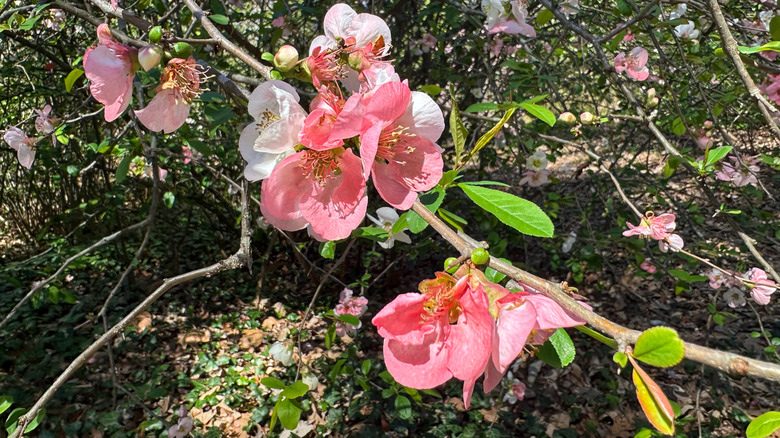
Pruning during dormancy is critical for both the health and production of quince trees. From a health standpoint, it reduces the stress on the tree, as well as the risk of disease and amount of pests that would otherwise be attracted to the fresh cuts from pruning. In terms of production, pruning during winter can encourage new growth once the tree emerges from dormancy in the spring. It's this new growth that will play host to spring blooms and fruit.
However, that is also where the second level of timing plays a big role. While it is important to wait to prune until the tree goes dormant, you can't wait too long. If you prune after the tree begins to emerge from dormancy, you will likely lop off much of the new growth the tree needs to produce this year's harvest.
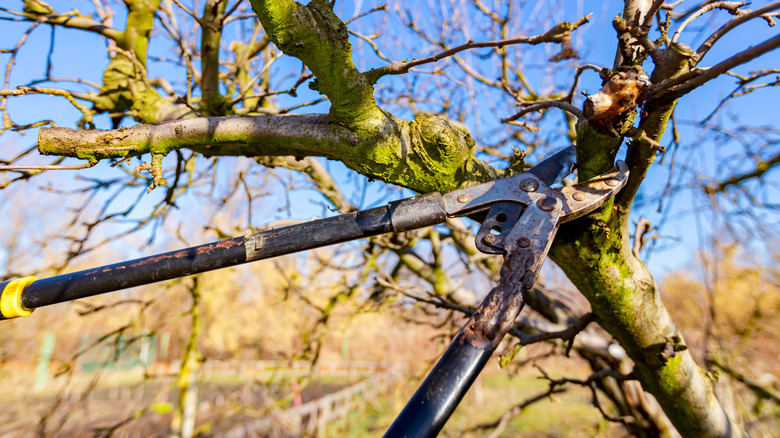
As far as pruning quince trees goes, it's not a lot different than pruning other fruit trees. For starters, it's important to use clean, freshly sharpened pruning shears. Keep in mind, these are fairly large trees, capable of growing up to 15 feet tall and 12 feet wide. So, you may also need some loppers, such as the Fiskars 28-inch bypass loppers, to handle larger limbs. With the right size pruning tools in hand, begin by cutting away diseased, dead, and damaged branches, as well as older branches with no longer produce new growth. From there, begin trimming the vertical branches near the center of the tree, so as to form the tree into somewhat of a goblet or V-shape. As the tree matures, continue to keep the middle of the tree clear, and remove surplus and crowding branches. This relatively empty middle portion helps improve air circulation and sunlight exposure.