

Could This Beautiful Shrub Be Killing Birds? Here's What To Know
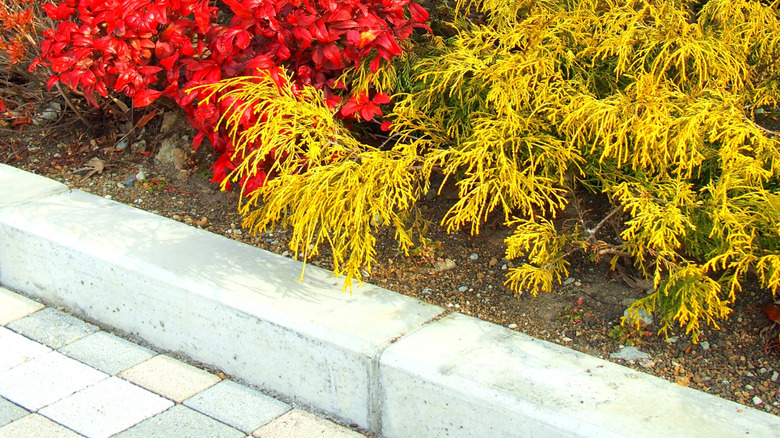
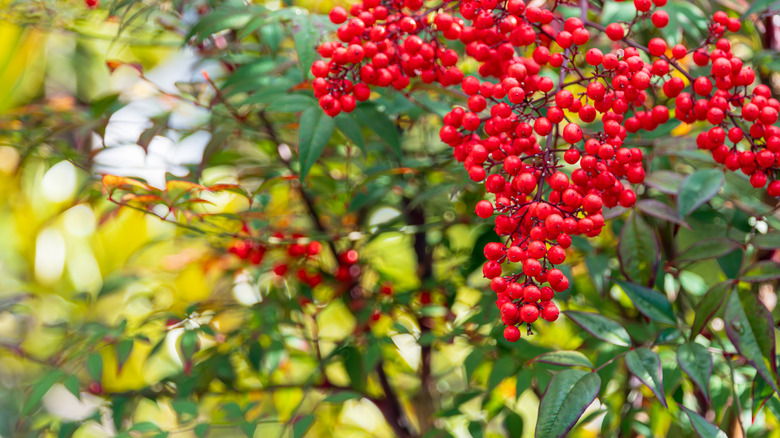
Planting shrubs that grow berries is one of the best ways to attract birds to your yard, but some berry plants aren't as beneficial as others. Nandina (Nandina domestica) is a beautiful but invasive shrub, sometimes also called heavenly bamboo or sacred bamboo. Native to Japan and China, the foliage varies in color, from light green to bright red to deep purple, and in fall it produces bright red berries that can last through winter. The bright color and long-lasting nature of these berries make them a popular food source for birds, but they're also toxic.
Nandina berries contain hydrogen cyanide, which can be toxic to birds and other animals and fatal in some cases. In the early 2010s, cedar waxwings found dead in Georgia were tested, and the cause of death was determined to be nandina berries. Cedar waxwings feed primarily on fruit, and they typically eat large amounts, which led to the birds eating a fatal dose of cyanide. However, the shrub may not be as dangerous to other birds. Bird species with more varied diets and less voracious appetites are likely to avoid consuming such large amounts of cyanide. Additionally, most bird species will look for other sources of food first — such as seeds and insects — leaving berries for later in the season. This is good news, as the toxicity level of nandina berries that form on shrubs decreases over time.
Keeping birds safe from nandina
If you already have a nandina shrub, you can remove it by digging it up. Try to remove as many of the roots as you can, and watch the area for new growth. Cut new growth as soon as you notice it, and consider treating the area with an herbicide if it is persistent.
If the shrub is too large to remove, or if you're particularly attached to it, there are ways to mitigate the risk to birds. Since they're only dangerous if birds eat a lot of berries, remove berry-laden branches as they appear. Offering a variety of food sources by planting seed or nut producing plants or by making a DIY natural bird feeder station will also help prevent birds from relying solely on the nandina for food.
If you don't already have a nandina shrub in your yard, consider planting a native alternative instead. American beautyberry is a great shrub to plant if you want to see more cardinals, and native holly varieties like possumhaw will still provide strikingly red berries. Other options include American viburnum, Northern spicebush, and Virginia sweetspire. For cedar waxwings specifically, you can plant some of their favorite foods, including cedars, mulberries, and elderberries.