

Vehicle Preparation Tips You Need To Know Before Your Next Winter Road Trip

We may receive a commission on purchases made from links.
Severe winter weather accounts for thousands of auto accidents each year, including hundreds of fatal ones. Although it is best to avoid driving in severe winter weather, that is not always possible. Additionally, there may be times when you are caught completely off-guard by a fast-forming winter storm, like a blizzard or squall, while driving. With that in mind, the best way to ensure a safe and stress-free road trip during winter is to properly prepare your vehicle before hitting the road.
The main thing you should do before taking off on a winter road trip is to make sure your vehicle is stocked with essential emergency supplies. These items should include a roadside emergency kit like the Everlit survival car emergency kit, which has a first aid kit, tire inflator, jumper cables, and other essentials. Additionally, pack extra clothing and blankets, water and snacks, medication, and a cell phone charger. These items can be vital for survival if you are stuck in your car during a snowstorm.
Finally, be sure to bring along things such as a small broom, packable snow shovel, and ice scraper, along with throwing a bag of kitty litter in your trunk. While doing so may seem excessive, this equipment can play an important role in clearing snow from tires and tailpipes, freeing a vehicle stuck in the snow, gaining traction on slick ice, or improving your visibility while driving in icy or freezing conditions.
Take care of routine maintenance tasks
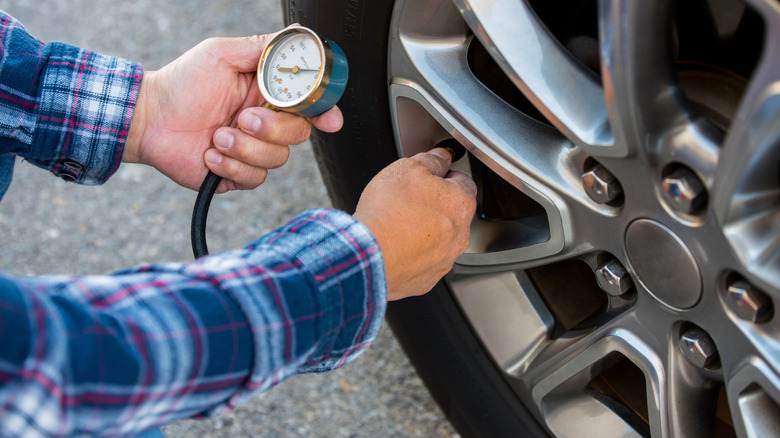
Before heading out on a winter road trip, take care of any routine maintenance issues as you would with any trip. First, Check the tread and inflation level of your tires. Adequate tread provides traction, especially on roads made slippery from black ice, rain, or snow. It is also important to make sure tires are inflated to the proper level. Given that tire pressure drops along with the temperature, you may need to add a bit of air in frigid weather. Finally, check to make sure your tires do not have any damage or bulges. If they do, replace them before hitting the road.
Next, check the battery and battery terminals. Clean any corrosion from the terminals and tighten cables to ensure a proper connection. It is also a good idea to do a load test on your battery to make sure it has adequate strength to start your vehicle in cold weather conditions. After that, top off the wiper fluid and replace your windshield wipers if they have not be changed recently. If you cannot remember how long it's been since they've been replaced, it's time. These components play a critical role in helping you see in often limited visibility conditions during winter weather.
Also check to make sure all lights and blinkers are working properly. Keep in mind, you may have to have headlights and/or hazard lights on even during the daytime if you hit foul winter weather. Then, check all belts and hoses. Replace any that are worn or damaged. Finally, make sure you have adequate anti-freeze in your radiator. While all of these steps should be done regularly, they're particularly important on winter drives where freezing weather adds extra strain on materials, and there's a possibility of getting stuck in snow or having traffic delays.