

Blizzard Vs Snowstorm: What's The Difference And How To Stay Safe
We may receive a commission on purchases made from links.
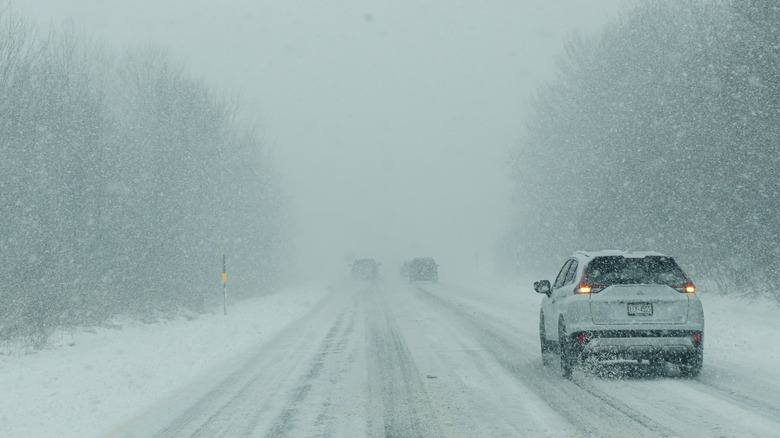
Throughout the winter season, those living or recreating throughout the northern U.S. and Canada face the possibility of experiencing a blizzard or snowstorm. While those who love winter sports may welcome accumulating snowfall, these significant winter weather events can pose serious risks. If you're following the forecasts and trying to prepare, what's the difference between a blizzard and a snowstorm? Does it even matter? Both can present significant issues to travelers and outdoor adventurers due to a combination of low visibility, slippery roads, and low temperatures. Thus, the steps for staying safe in either are similar.
In general terms, some snowstorms are blizzards and some blizzards are snowstorms. But, not every snowstorm is a blizzard, nor is every blizzard a snowstorm. To clarify, a snowstorm is any winter storm accompanied by heavy amounts of snow. This can be the result of a major storm system passing through or a localized event such as lake effect snow. A blizzard is a major storm with sustained winds over 35 miles-per-hour and low visibility. Blizzards may create low visibility as a result of heavy snowfall from a snowstorm, or by blowing up previously fallen snow (known as a ground blizzard). Either way, blizzards significantly reduce visibility and cause snowdrifts. The National Weather Service further defines blizzards conditions as lasting more than three hours, where similar storms like snow squalls may last an hour or less.
Theoretically, blizzards can occur wherever snow and freezing weather are possible. However, in the U.S., they are most often encountered on the Great Plains and in the Midwest. The combination of often heavy snowstorms, freezing conditions, and high winds unimpeded by trees or mountains leads to blizzards being common in these areas. Blizzards are also fairly common in the Northeast, particularly when nor'easters are accompanied by ocean-effect snow weather phenomena.
How to stay safe in a blizzard or snowstorm
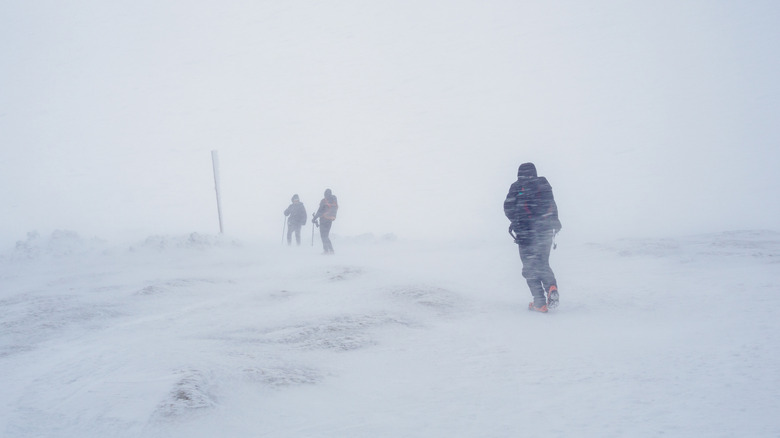
The best way to stay safe in either a blizzard or snowstorm is to stay indoors. However, sometimes it's necessary to go out, or you are already outside and caught in a snowstorm while camping or otherwise engaged. If you have to go outside, it is imperative to stay warm and dry and make your excursions as brief as possible. Dress in layers, with the outermost layer being a waterproof item, such as the Columbia watertight jacket. Mittens or gloves help protect against frostbite. Covering your face with a scarf or balaclava can prevent cold air from harming your lungs.
If you get caught in a snowstorm or blizzard while adventuring outdoors — hiking, camping, snow skiing, snowmobiling — first pause to assess your situation. If you are close to shelter, like a building or vehicle, it is best to ride out the storm there. Should you be camping, your tent would be the next best bet. As a final option (such as being on a trail far from camp), immediately set up an emergency tent or bivvy, build a lean-to or make a snow cave to provide shelter. Again, the main goal is to stay warm and dry. So, if you can find or make shelter, remain there until the storm subsides (remember that blizzard conditions could last several hours, so hydrate and fuel up as much as you can).
If at all possible, stay off roads during a blizzard or snowstorm. Reduced visibility, slick roads, and windy conditions lead to numerous accidents each year. Should you be caught driving in such severe winter weather, drive slowly with your headlights and hazard lights on. Exit the roadway as soon as possible and remain in your car until the storm passes.