

What To Do If Your Paver Patio Installation Is Failing
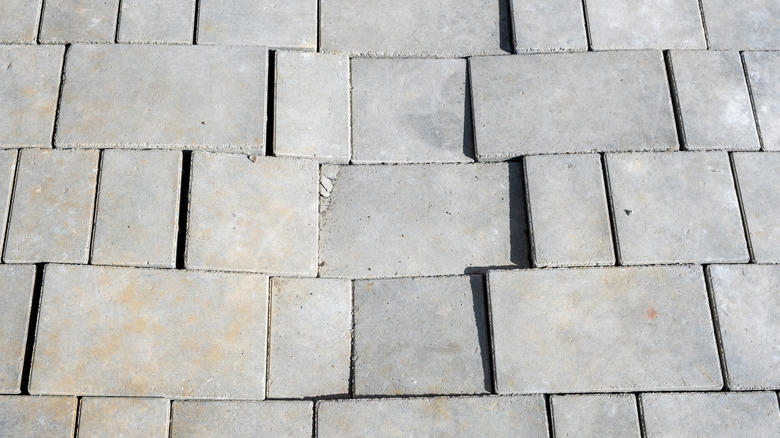
Patios are so nice to have in your yard, creating an open and level space to set outdoor furniture and establishing a comforting area to hang around outside. Unfortunately, sometimes they don't end up as perfect as they should, leading to frustration. If your pavers start to separate, grow unevenly, or break, it becomes a tripping hazard that no one wants to walk on. To prevent the problem from getting worse and restore usability, you'll need to act quickly. Before making repairs, determine what caused your patio to fail in the first place. There are a few common reasons why things may be starting to go wrong, and it generally has to do with something not done properly during the installation or not accounted for when planning out your patio.
Poor drainage problems, incorrect depth, the wrong materials under the stones, weeds, weak edging, and uneven pavers are just some examples of what could lead to an impractical or failing patio down the line. While patios are relatively simple to build, even one shortcut or mistake can lead to costly repairs later.
Of course, if you're already pulling up your patio to fix mistakes, it may be worth starting over to ensure everything is done correctly. It can be a frustrating process, but it will save you more time and money down the line. If the solution is rather minor, you may not have to completely redo the patio. But first, you need to identify exactly what's causing the problem.
What it means if your pavers are shifting and how to fix it
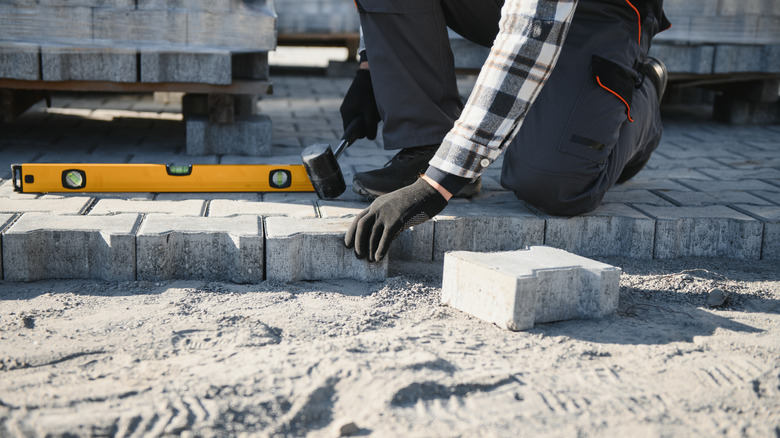
Uneven and unlevel pavers or ones with large gaps between them could be a sign of improper drainage. If rain tends to run straight towards your patio, or you see standing water in the area, it may be a sign that your drainage isn't done properly. In these cases, you'll have to figure out a better system. The simplest of options is to give your patio a slight slope. Generally, no more than a quarter inch per horizontal foot is needed. However, there are also other ways to set up a drainage system, sometimes involving adding gravel, gutters, or small holes to allow water to go through.
If compaction is the potential issue, then you might have to take up all of your pavers. This generally involves digging up the area, usually about 7 inches below where your stones will sit. Next, add a gravel base or small stones in 3-inch layers. Between each layer, take time to fully tamp it down. This helps to ensure everything is nice and compact when you get to the top.
Add bedding sand, then tamp again. Add back your pavers. To settle them where they are supposed to go, it's a good idea to compact them as well. You may want to rent out a plate compactor. It costs a bit more but helps ensure everything stays firmly in place. If this is a bit too much work, you can also try to create a stunning backyard patio with a simple DIY upgrade, which involves using lightweight panels underneath the pavers, reducing how much you have to excavate.
Common issues with patio installation
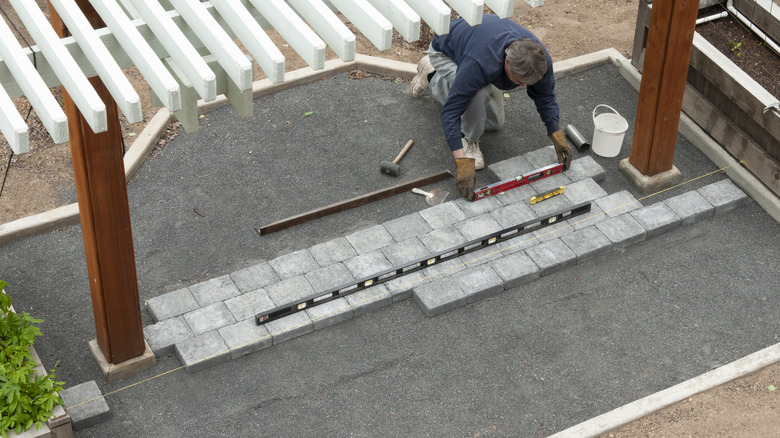
If the edges of your patio seem to be moving or leaning faster than the interior, this could be due to improper edging. When your pavers are lining up perfectly, you may feel that everything is going to stay in place and there is no need to edge your patio. However, things shift over time, so it's important to put a barrier all around the design so it stays in place. There are a few ways to do this, including adding a curb, cement, or paver edge restraints.
Weeds can also be a problem. If they start growing between your pavers, there is a chance they can crack or shift the stones you have as your patio foundation. To stop this from happening, lay down a layer of landscape fabric underneath. If the weeds are already there, you'll have to work a little harder to get rid of them. You can try to smother them by adding more sand between the cracks. Or you can try one of the many other tips to keep gravel areas weed-free, such as pouring boiling water on the plants or using salt.
Sometimes, it just comes down to the materials you used to create your patio. You have to adjust based on the climate you live in. For example, if you get a lot of snow, the best patio material to choose would be concrete, not wood. Do keep in mind, bigger stones and full slabs have a higher chance of cracking as there is less flexibility. Instead, use smaller stones and leave narrow gaps between them to allow for natural expansion. With a little research and the right care, you can bring your patio back to life and keep it level, safe, and beautiful for years to come.