

Why You Should Reconsider Trying The Overcrowding Trend In Your Yard
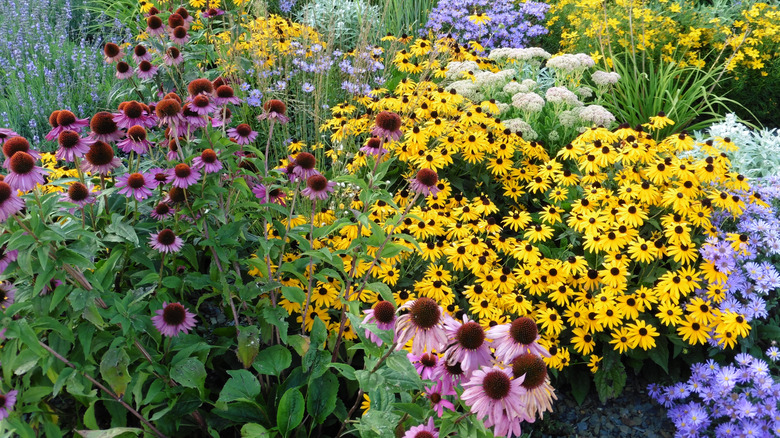
If you're trying to transform your narrow backyard into a thriving, green paradise, you might be tempted to fill it with as many plants as can possibly fit in the soil. Overcrowding a garden does work for some gardens, but sometimes it ends with weak plants beset by fungal infections and pest infestations. Before you find out the hard way if it'll work for you, there are some things you should know about this trend.
Overcrowding is a common beginning gardener's mistake, but how much your garden suffers from it depends on the plants you choose and the soil. Some plants don't mind having close neighbors, but others need their space. You need to account for how large the plants will grow, not just the size they are when you plant them. Otherwise, a larger plant may damage a smaller one as it grows or it may have its growth restricted. The soil also needs to be rich enough to support all those plants. If the plants begin to compete for limited resources, you'll end up with sickly flowers.
Improper spacing can also contribute to fungal infections. If the plants' stems are too crowded, it limits air flow. Poor air flow means the leaves and stems will stay damp for longer, making them more likely to develop fungal infections. Infestations and infections can often be made worse by poor spacing and plant choice since pests and diseases will spread from one vulnerable plant to the next if they're too close together.
How to fix an overcrowded garden
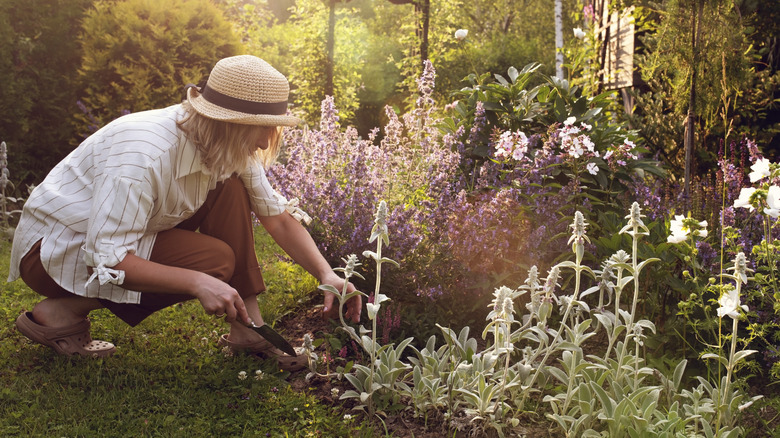
If you've tried the overcrowding trend and it isn't working, there may still be time to revitalize the space. Start by removing some of the plants, particularly those that are already dead or dying. Some plants that aren't fully dead yet may be able to recover if replanted on their own, but if you have a lot of plants to contend with it's better to focus on the healthiest ones. Next, make a list of the remaining plants and research how much space, water, and fertilizer they need. Drawing a rough sketch of your garden's layout can help you visualize the space better, while following the square foot gardening method is helpful for planning your new layout.
Next, check your list of plants for any whose needs do not match the rest of the garden and move them. For example, a plant that needs lots of water surrounded by plants that are sensitive to overwatering might fare better if it were taken out of that garden bed and moved somewhere else. Clumping perennials may need to be divided, while shrubs or trees can be pruned to make more space in the canopy. Rearrange the rest of the plants so they have the correct amount of room. Finally, if you had a lot of heavy feeders growing close together, a soil test can help you determine if you need to refresh the soil.