

Winter Solstice: What The Shortest Day Of The Year Means For You
We may receive a commission on purchases made from links.
Most outdoor enthusiasts relish long days, scoring the maximum amount of time they can adventuring and enjoying their time outside. For those living in the Northern Hemisphere, the winter solstice is the literal anthesis of seemingly endless summer daylight. That is because the winter solstice not only marks the beginning of the astronomical winter season, it is also the shortest day of the year. So, what does that mean for you? First and most obviously, it means less daylight, which may affect any outdoor plans on the solstice. It also means you'll get to enjoy a little more daylight each day following the solstice.
Although every location in the Northern Hemisphere receives less daylight on the winter solstice, how much sun your area gets depends on your latitude. This is because the solstice is actually a result of the Northern Hemisphere being tilted away from the sun at this point in the year. So, the further north, the fewer daylight hours. For example, this year, Houston, Texas will have 10 hours and 14 minutes of daylight. By contrast, Minneapolis, Minnesota will only see 8 hours and 46 minutes, while Anchorage, Alaska will have a mere 5 hours and 27 minutes.
With that in mind, if you are going on a winter hike, you need to plan a route that can comfortably be completed within the daylight hours your area gets. Otherwise, you may find yourself using the stars to navigate if you get lost. You'll also want to adjust your start time, because not only does the sun set early, it rises later. Oddly enough, the latest sunrise of the year occurs a few weeks later and the earliest sunset happened a few weeks prior. Nonetheless, the total amount of daylight is at its lowest on the winter solstice.
Make the most of the longest night of the year
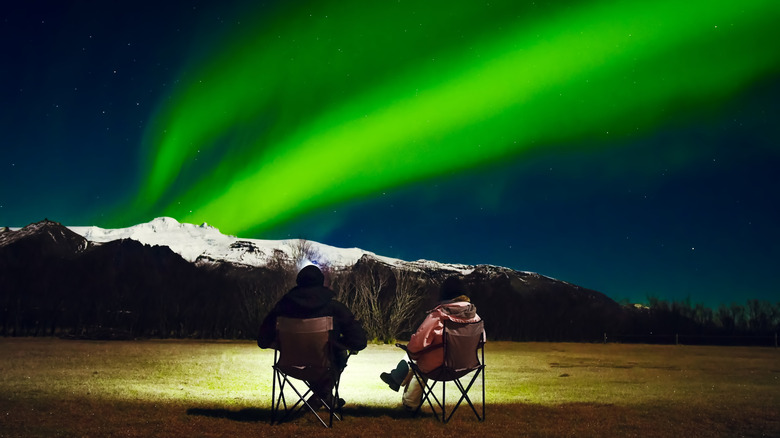
Since the winter solstice is the shortest day of the year, it is also the longest night. That makes it the perfect occasion to plan nighttime activities, such as a stargazing adventure with the best views of the night sky. It is also a good time to plan a trip to some of the best spots to see the Northern Lights, including Denali National Park. These nighttime excursions can be particularly productive if the sky is clear, as it often is in winter. It's why many consider winter the best time of year for stargazing.
Regardless of your plans for the long winter night, you need to be adequately prepared. This means having plenty of functional light sources, like Eveready LED flashlights, headlamps, and/or electric lanterns. If you are camping or sitting around your backyard fire pit, you may consider gathering up a little extra firewood to see you through the extended dark period. And if you're still grilling this time of year (and why not?) consider adding task lighting to your grill area for safety and to make sure everything is cooked properly.
All that said, the reality is the winter solstice won't be drastically different than the days preceding or following. That's because there is a gradual decline of daylight leading up to and gradual increase following the solstice. So, if you have been spending time outdoors all December, you've likely already adjusted. However, regardless of whether you've spent every day of the month adventuring outdoors or the solstice marks your first foray, you need to be prepared for short days and long nights on and around the winter solstice.