

What To Consider Before Installing Pressure-Treated Fence Panels In Your Yard
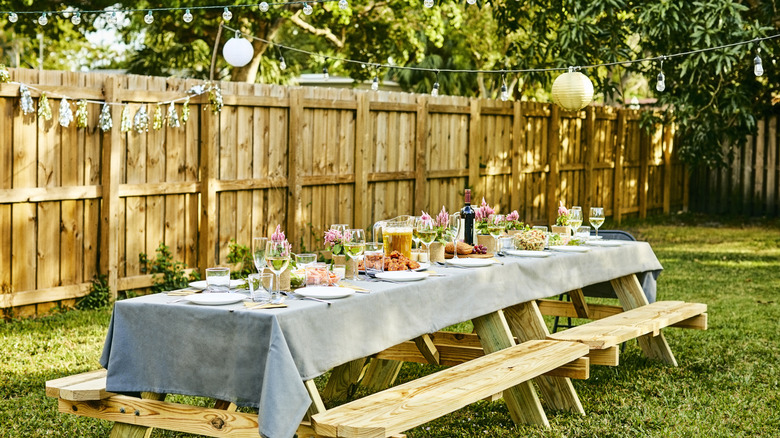
If you are adding fencing to your property, you obviously want to choose the type of fence that will meet your specific needs. Wood fencing is still a popular favorite among homeowners; it provides a nice amount of privacy while still looking great. Considering how much it typically costs to install a wooden privacy fence in your backyard, you want to make sure that your investment is going to last.
If you want a fence that is going to stand up to the elements, you may be considering pressure-treated fence panels. Pressure-treated wood will vary by region but is most often made of pine (yellow, red, or Ponderosa) or fir (Douglas or Hem). It has been treated with chemicals during the manufacturing process that are designed to extend the life of the wood and help it withstand rain, pests, and wear and tear better than untreated wood.
There are several things you need to consider before installing pressure-treated fence panels in your yard. Once you understand the pros and cons of using pressure-treated fence panels, you can make the decision that works best for you and your yard to ensure a positive outcome. If you will be installing your pressure-treated fence panels yourself and you're not sure how you want to set them, you can choose the best fence post setting method for your yard with these tips. If you prefer to do so without concrete, there are ways you can easily install a wood fence without pouring concrete bases for the posts.
Advantages of pressure-treated fence panels
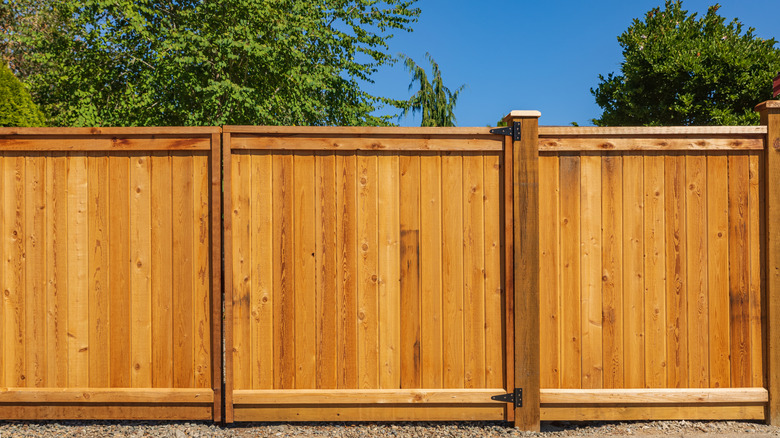
There are many reasons pressure-treated fence panels are a great choice, from their resistance to insects and decay to their longevity and durability. A fence made with pressure-treated panels can last up to 20 years with proper care. If you want a fence to endure, pressure-treated wood is your best bet. It is pretty easy to work with, too, making it a good choice for a DIY fence project if you enjoy taking on some of the bigger jobs around your yard. You will also find that pressure-treated fence panels are less expensive than some of the other choices like composite and vinyl, making them very popular with budget-conscious homeowners.
You have several options when it comes to customizing your pressure-treated fence panels. There are many different options for fence panel designs as well, including picket fencing, privacy panels, and many other designs. Because pressure-treated fence panels need to be stained, you can stain and/or paint your panels to match your house colors or color scheme, so you end up with fencing that's truly unique to you.
The downsides of pressure-treated fence panels

There is really only one major downside of using pressure-treated fence panels, which is that pressure-treated fence panels should be sealed and stained every three to five years, though some recommend doing so every two to three years. Doing this keeps the wood in good shape and prevents it from turning gray and decaying or falling apart. Without staining and sealing, your pressure-treated fence can also warp and have to be repaired. If you don't mind that small bit of maintenance, then this downside isn't much of a deterrent and is well worth the effort.
However, it's understandable to be concerned about the chemicals used in pressure-treating. Fortunately, today's pressure-treating processes — such as ACQ, a water-based wood preservative — are much better than they used to be, although it is still advisable to wear a mask and gloves when sanding or cutting pressure-treated wood just to be safe. Additionally, pressure-treated wood is not a good idea for building planter boxes, but it is a fine choice for fencing.