

The Best Method For Getting Rid Of Ants In Your Plant Roots
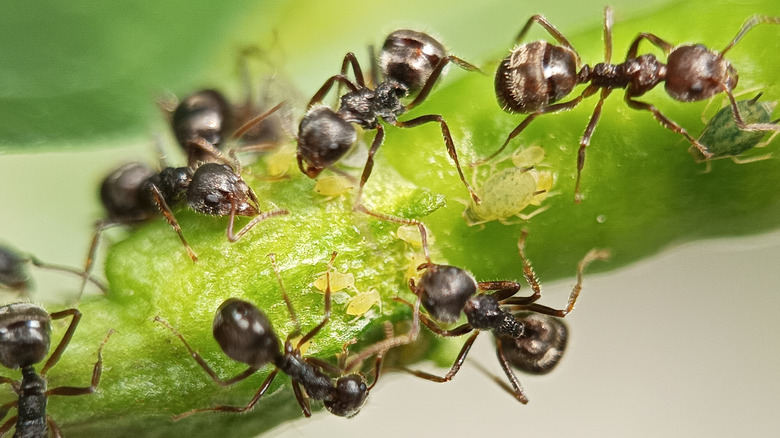
Got ants on your plants? They're probably in the roots, too. While some ant hills in your garden may be beneficial to your plants by aerating the soil, pollinating, and dispersing seeds, too many ants in one space can cause issues. If they're living in the roots of your plants, they could be causing damage by disrupting the ecosystem that your roots rely on. While it may only be certain types of ants that destroy plants from the roots up, any abundance of ants in the soil could affect the moisture content and dry your plants out quicker. Unless they're living in the roots of a plant that does well in drought conditions, this could be an issue. If you notice ants entering and exiting holes at the base of your plants or see ant mounds there, it's time to take action.
The best method for getting rid of ants in your plant roots varies slightly depending on whether you're dealing with potted plants or those planted in the ground. For potted plants, you will want to replant them after dealing with the ant infestation. For garden plants, you'll skip that step and battle the bugs from above. And some of the tools you'll use can be found in your kitchen.
Getting rid of ants in your potted plants
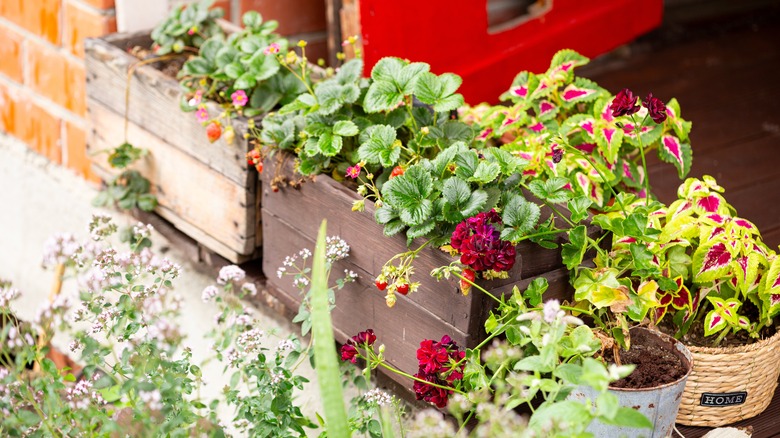
Dealing with the ants in your potted plants starts with gently removing them from the pots. Dump the soil in a location away from your other plants, so the ants can't easily move into the next pot. You will also want to remove any excess dirt from the plant's roots. Once this is done, you will use warm water and dish soap to clean the plant and roots, removing any ants that may still be clinging to the roots. This will also help remove any aphids or mealybugs on the plants, which could be why the ants moved in the first place.
Once you've cleaned the plant off, you can prepare the pot for repotting. Begin by placing a small piece of mesh wire at the bottom to cover the drainage hole. This allows the pot to properly drain while making it harder for ants to get in that way. Once your plant is repotted, sprinkle a natural ant deterrent that won't harm your plants or other insects around the soil (keep it off of the leaves and flowers to avoid hurting bees and other beneficial insects). Some of these alternatives to pesticides include catnip and other members of the mint family, as well as citrus scents like lemon. You can also use lemon juice to banish ants from other areas, too.
Getting rid of ants in your garden
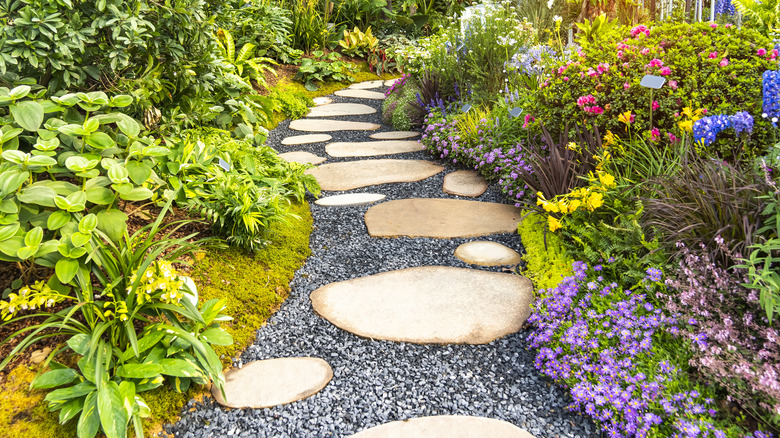
If plants in your flower beds or garden are being affected by an ant infestation, it won't be as easy to transplant them to deal with the issue, unlike potted plants. If you take the proper steps, however, you can get rid of the ants living in your plant's roots. This begins with the parts of your plants that are above ground, which is likely the area that attracts the ants. This is where you can use one of the steps above, by putting some blue dish liquid (just a couple of drops) in a spray bottle with some water and spraying down your affected plants with it. This will help kill the mealybugs or aphids that are leaving tasty honey-like excrement that the ants are feeding on.
The next step in this ant control method involves placing ant traps in the soil around plants with ant-infested roots. The idea is that the traps will draw them out, and they will take some poison back to the nest to rid the whole root system of the infestation. Once that is done, you can also put some of those same scents around the area, and even use diatomaceous earth around the plants and the entire garden to help keep crawling insects of all kinds away.