

Are There Flood Warnings In Your Area? Be Sure To Check These Spots On Your Home's Exterior
We may receive a commission on purchases made from links.
Flooding causes more property damage in the United States than any other natural hazard. It can be caused by a variety of conditions, including heavy rain, swollen rivers, and precipitous snow or ice melt. In coastal areas, extreme high tides and storm surges can also be the culprits. Given the amount of damage flooding can cause, the National Weather Service attempts to alert the public ahead of time when conditions are prime for flooding, through a series of advisories, including flood watches and warnings. When such alerts are issued for your areas, you are encouraged to take action. Among other things, particularly in areas where flooding is seasonal or common, you should check spots such as windows, doors, gutters, eves, and downspouts on your homes exterior to minimize the damage such a storm can cause.
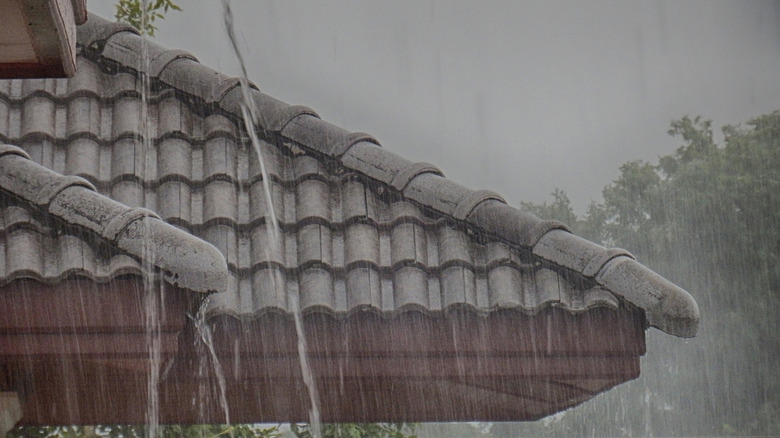
The goal whenever flooding is predicted is to prevent water from entering your home. That means making sure it drains away as efficiently as possible. One of the primary ways to do that is to ensure heavy rainfall flows unimpeded from your rooftop. This means it is time to clean the gutters and adjust the downspouts so that the water is directed away from your home. While you are up there, check out your roof and make sure that are no damaged areas. If you see any, make repairs immediately.
To ensure this water is moved away from your property as it drains, also check any ditches and storm drains around your home. Make sure they are clear of any debris, tall grass, or other obstructions. Utilizing large capacity rain barrels is another way to make sure the water coming off your rooftop is not building up in low spots on your lawn.
Make sure windows and doors are sealed
Even with clear gutters and good drainage, there will be times floodwaters rise in your yard. The key is to be prepared so as to minimize the amount of water that enters your house. That starts with sealing your house as well as you can. First, and perhaps most obvious, is to ensure all windows and doors are closed and locked. Then, inspect them for any leaks or gaps. Use caulk, expanding foam, or waterproof tape such as ECOHomes window weather sealing tape to seal off any cracks, gaps, or openings.
If you have ground level windows, such as to a basement, you need to take extra precautions to secure them and make sure they are watertight. Sealing them is certainly a good first step. However, it is a good idea to utilize watertight window covers which can be bolted to your home for extra protection (be sure they aren't considered emergency exits under homeowner's insurance or by your HOA). If you have a sump pump, make sure your it is in good working order to quickly remove any water that does make its way in.
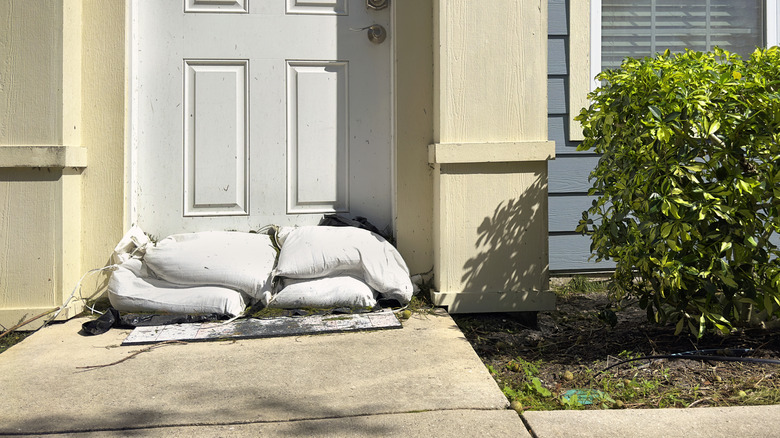
Next, have a supply of sand bags on hand. Stack them in an overlapping manner, like bricks, in front of doors and entryways to minimize the amount of water entering your home. Another option is to employ self-inflating flood barriers such as Quick Dam flood barriers, though it's important to know these barriers don't work with salt water, if you're near an estuary or ocean. If you live in an area that frequently sees waters rise, it's worth having sand bags or barriers on-hand at all times. This is especially important when staying safe during flash floods, which require quick action.
Pick up, put away, and elevate large items
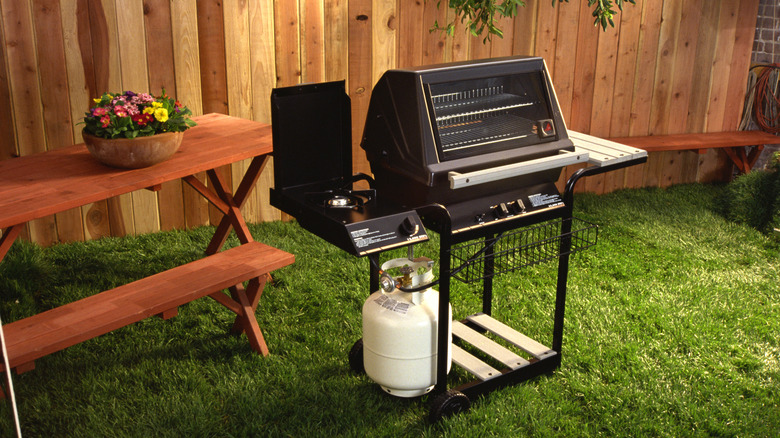
Finally, clear your yard of anything that can be moved or float away in flood waters or blown over in high winds. This includes lawn furniture, grills, toy sets, and potted plants. Moving large, loose items into a garage or storage shed — like the versatile DIY storage shed from Costco that buyers love — not only helps protect them, but also keeps them from damaging your home or breaking windows if they get whipped around in a storm. Anything you are unable to move should elevated if possible, and tied down securely. This applies not only to lawn furnishings, but also items such as outdoor appliances and propane, gas, or butane fuel tanks.
Once the rains stop and floods recede, assess the steps you had to take in order to prepare even better for the next time, and consider making some changes permanent. For example, there is no downside to having outdoor appliances and fuel tanks elevated and secured year around. This can save valuable time in a severe weather situation. Likewise, having sheltered, permanent storage can protect outdoor items and furniture from sun or rain damage when not in use. You may also want to reduce your chance of flooding by creating a rain garden, installing additional drainage, or grading your yard and flower beds to drain away from your house.